Don't navigate whiplash injury treatment alone. Learn about symptoms, diagnosis, and modern, evidence-based care options from first aid to full recovery.




A lot of people read about whiplash only after the accident, usually while sitting stiffly on the couch, wondering why they felt mostly fine yesterday and can barely turn their head today. That delayed onset is one of the most confusing parts of a car crash injury. The impact may have looked minor. Your car may even have little damage. Then the neck tightens, the headache starts at the base of the skull, and simple things like backing out of a driveway or looking down at a phone suddenly hurt.
That pattern is common with whiplash injury treatment cases. Whiplash is usually a soft-tissue neck injury caused by a rapid back-and-forth motion of the head and neck. The key point is that early symptoms don't always tell the full story. What you do in the first few days, and how your care progresses after that, can influence whether this becomes a short-term problem or a stubborn one.
Most patients don't need to panic. They do need a plan. Good recovery usually comes from the right exam, the right timing, and a mix of therapies that restore motion, calm irritated tissue, and rebuild control so the neck can tolerate normal life again.
A typical story goes like this. Someone gets rear-ended at a stoplight, exchanges information, feels shaken but not seriously hurt, and goes home thinking they're lucky. Later that evening, the neck starts to feel heavy. The next morning, turning to check a blind spot is difficult, the shoulders are tight, and a headache has set in.
That's not unusual. Whiplash symptoms often show up after the adrenaline wears off and the irritated muscles, joints, and supporting tissues begin to stiffen.
The neck doesn't just get "sore" after a collision. It can develop muscle guarding, joint irritation, reduced range of motion, and pain that refers into the head, shoulders, or upper back. Some people also notice dizziness, trouble concentrating, or pain that seems out of proportion to what the crash looked like from the outside.
Many patients worry that delayed pain means something was missed. More often, it's simply how whiplash behaves.
That doesn't mean every sore neck after an accident is severe. It means delayed symptoms deserve respect. A strain that gets ignored can turn into weeks of stiffness and poor movement patterns. A patient who gets evaluated early usually has a clearer path.
The first goal isn't to force the neck back to normal in a day or two. It's to calm things down without letting the neck become more guarded and deconditioned. A good plan usually moves in this order:
Whiplash can be unsettling, especially because the injury is invisible to other people. But it is treatable, and the best outcomes usually come from informed, active care instead of waiting for it to "just pass."
The first two days matter because this is when patients either make smart early choices or accidentally make the neck stiffer by doing too little or too much. The old advice was often rest, collar, and wait. Current guidance points in a different direction.

Some symptoms go beyond routine whiplash and should be checked immediately. Seek urgent evaluation if you have:
Practical rule: If symptoms are intensifying, spreading into the limbs, or affecting balance, speech, or thinking, don't try to self-manage first.
If red flags aren't present, the first 24 to 48 hours usually call for calm, simple steps.
A soft collar isn't usually the answer. Prolonged immobilization can slow recovery, so the goal is controlled movement, not complete shutdown.
If you're also trying to keep the insurance and legal side organized, this short guide on a personal injury client's first 24 hours is useful because it covers the immediate documentation steps people often forget when they're stressed. If the injury came from a collision, formal car accident treatment should include both symptom care and documentation.
The first exam shouldn't feel mysterious. A solid whiplash evaluation is less about chasing a dramatic scan and more about figuring out which tissues are irritated, how the neck is moving, whether the nervous system is involved, and what needs to happen first.

A thorough visit usually starts with the story of the crash. Direction of impact, head position, seat position, symptoms right after the collision, and how things changed over the next hours all help shape the clinical picture.
Then comes the physical exam. That often includes:
| Exam area | What it helps identify |
|---|---|
| Range of motion | Which movements are restricted or provoke pain |
| Palpation | Where muscles, joints, and soft tissues are most irritated |
| Neurologic testing | Reflex, sensation, and strength changes |
| Orthopedic testing | Whether certain structures are being stressed |
| Posture and movement patterns | Protective guarding and compensation |
A good exam also looks at the shoulders, upper back, jaw mechanics in some cases, and how you tolerate sitting, turning, and holding your head upright. Whiplash isn't always isolated to one small spot in the neck.
Many patients assume the first responsible step is to get an MRI. Sometimes that's appropriate. Often it isn't.
Guidelines recommend the Canadian C-Spine Rule to determine when X-rays are necessary, and if a patient can rotate the neck to 45 degrees, an X-ray is not required. In acute trauma, CT is the first-line modality over plain radiographs, but specialized imaging such as CT or MRI shouldn't be used routinely without specific clinical indicators like midline tenderness, based on the whiplash clinical guideline summary.
That matters for two reasons. First, it prevents unnecessary scans and cost. Second, many meaningful whiplash findings come from the clinical exam, not just a picture.
A normal scan doesn't mean your pain isn't real. It may simply mean there's no fracture or structural emergency.
When imaging is indicated, it should answer a specific question. Is there fracture risk? Instability? Signs that a disc or soft tissue injury needs a different level of workup? That is very different from ordering advanced imaging just because the neck hurts.
The end result of the visit should be simple to understand: what grade of injury is suspected, what needs to be ruled out, what can start immediately, and what signs would change the plan.
The strongest recovery plans don't rely on one thing. They combine symptom relief with movement restoration and then reinforce those gains with active work. That's what keeps a neck from feeling temporarily better but repeatedly flaring up.

Whiplash management changed because prolonged immobilization didn't deliver the best results. Treatment shifted toward early active range of motion and supervised exercise, and clinical data shows 93% of patients achieve complete recovery within 3 months with that active approach, according to this review on current whiplash treatment principles.
That finding shapes the whole strategy. Passive care can reduce pain. It usually doesn't finish the job by itself.
A practical care plan often uses several layers at once:
Chiropractic adjustment and realignment: When the neck and upper back become restricted after impact, carefully selected adjustments can help restore joint motion. This isn't about forcing movement. It's about improving how the joints glide so the muscles don't have to guard every turn of the head.
Massage therapy and soft tissue work: Whiplash often creates dense, protective tightness across the neck, traps, and upper shoulders. Massage can reduce muscle guarding, improve tissue tolerance, and make rehab exercise more comfortable.
Acupuncture and muscle stimulation: Some patients respond well to pain-modulating treatments early on, especially when sleep is poor or the pain pattern is broad and reactive. These tools can lower the pain floor enough for active rehab to become realistic.
Mobility therapy and rehabilitation exercise: Here, recovery becomes durable. Neck-specific mobility, low-load control work, postural endurance, and a gradual return to everyday movement help the body stop bracing and start functioning normally again.
Personal exercise plans: A good home plan should be short, clear, and repeatable. Most patients do better with a few precise exercises they can perform consistently than a long list they abandon after three days.
If you're unsure which over-the-counter option fits your situation, this comparison in FindMyScript's guide to pain relievers can help you understand common differences before you discuss medication choices with your provider. When home rehab is part of the plan, a structured rehabilitation exercise program is often what turns temporary pain relief into a stable recovery.
The neck heals best when treatment reduces pain and restores confidence in movement at the same time.
Nutrition and nutrition counseling can also support recovery, particularly when stress, sleep disruption, and inflammation-related habits are slowing progress. It's not the centerpiece of whiplash care, but it can help patients recover more steadily.
Core therapy does most of the heavy lifting. Advanced modalities can help when pain remains high, soft tissue healing is slow, or the injury has features that need more than hands-on work and exercise alone.
For stubborn inflammatory pain, device-based treatments can play a useful supporting role. MLS Laser Therapy is commonly used to reduce pain and calm irritated tissue. SoftWave Therapy is often chosen when the goal is to stimulate deeper healing responses in soft tissue that isn't progressing well with standard care.
These options aren't replacements for movement-based rehab. They're adjuncts. In practice, that means they can help create a window where the patient tolerates adjustment, mobility therapy, massage therapy, or corrective exercise better than before.
One practical example is the patient whose neck improves for a day after treatment and then tightens right back up. In that situation, reducing tissue irritability can make the rest of the program more effective.
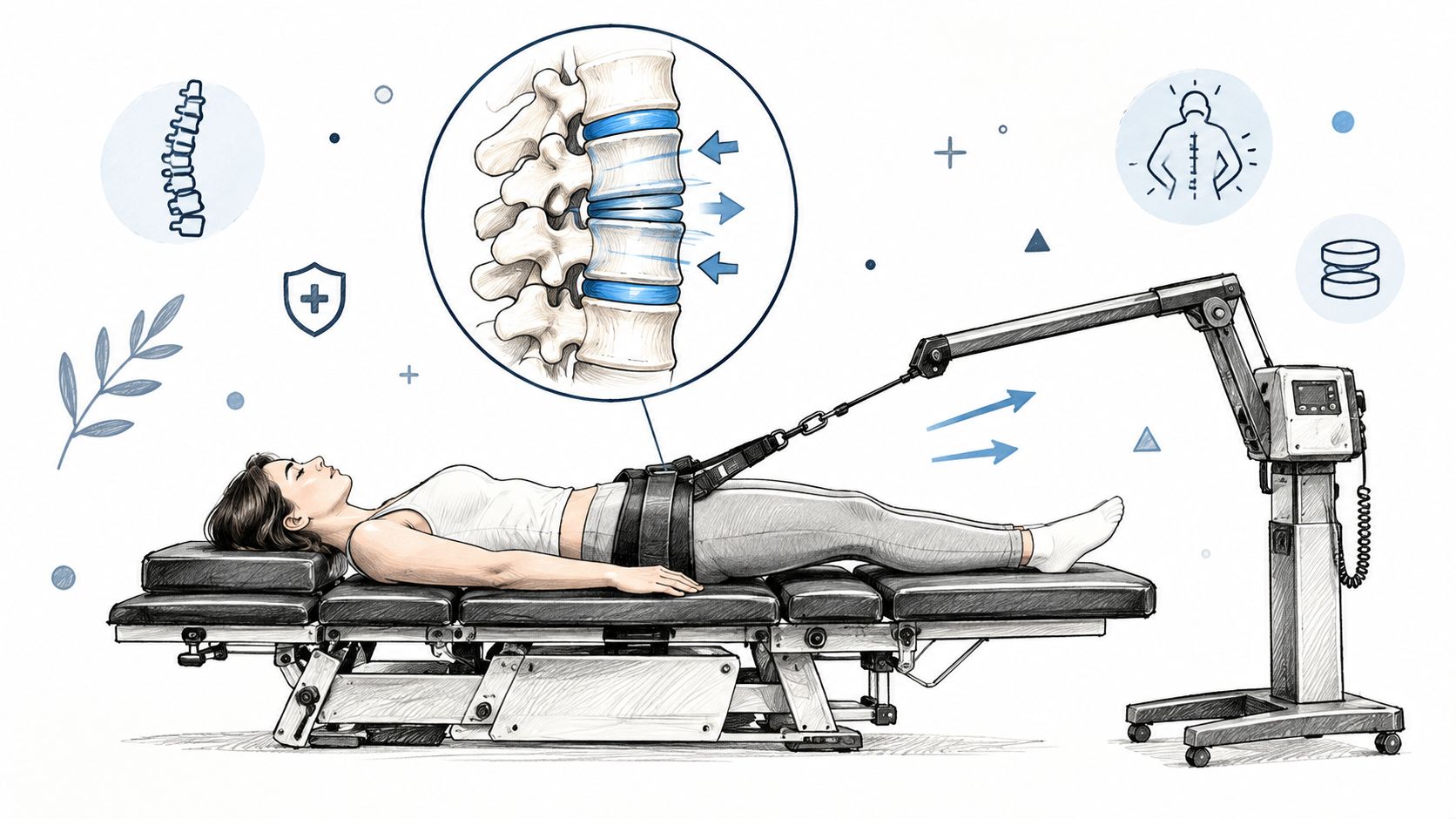
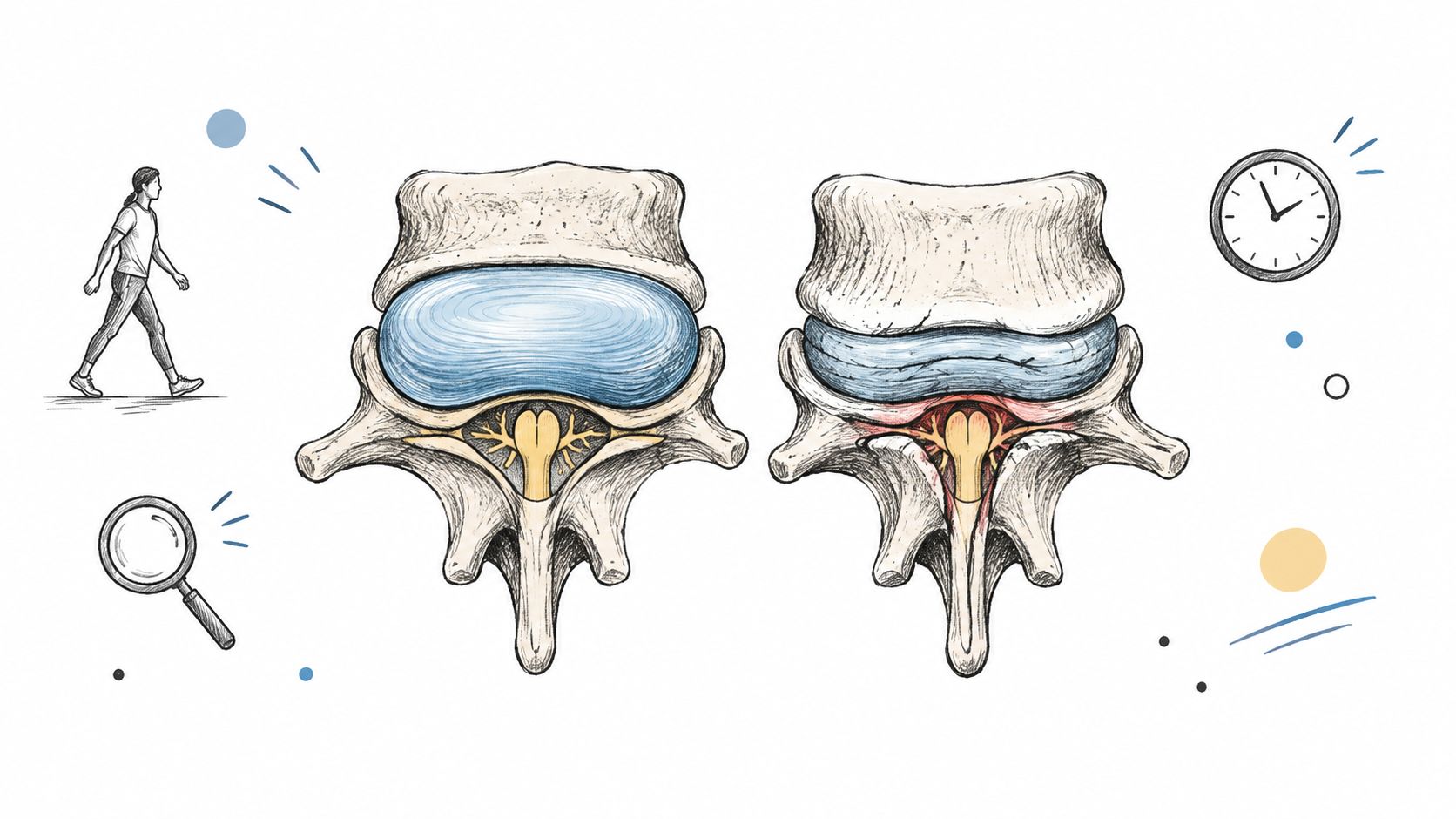
Some car accident cases aren't just soft-tissue strain. The collision may aggravate a pre-existing disc issue or create symptoms that behave more like disc irritation, such as radiating pain, sharp pain with compression, or a pattern that doesn't improve as expected.
That is where Spinal Decompression with the DRX 9000 may enter the conversation. For intervertebral disc lesions treated with non-surgical spinal decompression using the DRX9000, one case series reported an 80% reduction in pain after 20 treatments and a 50% improvement in disability scores, with results described as good to excellent for disc-related pathology in the clinical and imaging outcomes report on the DRX9000.
That research involves disc-related pathology rather than whiplash alone, so the trade-off matters. Decompression isn't a routine first step for every neck strain after a crash. It makes more sense when the exam suggests a disc component and the patient isn't progressing with simpler care. For patients also dealing with broader inflammatory pain patterns, this overview of laser therapy for inflammation explains where laser fits in a conservative treatment plan.
Aspen Falls Wellness offers integrated options such as chiropractic care, massage therapy, acupuncture, mobility therapy, MLS Laser Therapy, SoftWave Therapy, and DRX9000 decompression, which allows treatment to be adjusted when a straightforward whiplash case turns out to be more layered.
Most patients want one answer: how long will this last? The honest answer is that recovery depends on how the neck responds, not just how many days have passed since the accident.

In the early stage, the priority is pain control, gentle movement, and avoiding the trap of total inactivity. In the next phase, treatment usually shifts toward restoring fuller range of motion, improving postural endurance, and building better tolerance for work, driving, exercise, and sleep positions.
A simple way to think about progression is this:
Return to normal activity should be criteria-based. If turning your head, holding posture, or sleeping through the night still triggers a major flare, the neck probably isn't ready for full activity even if a calendar says enough time has passed.
Whiplash doesn't always disappear quickly. Approximately 25 to 40% of patients report persistent symptoms after one year, and in those chronic cases, strong evidence supports multidisciplinary therapy that combines cognitive-behavioral therapy, physical therapy, and specific neck exercises, according to this review of whiplash-associated disorders.
That is the part many patients aren't warned about early enough. They hear "soft tissue injury" and assume time alone will solve it. Sometimes it does. Sometimes the neck remains painful because movement stays guarded, stress stays high, sleep stays poor, and the patient keeps cycling through short-term pain relief without rebuilding function.
If symptoms are still lingering months later, the plan usually needs to become more comprehensive, not just more passive.
Long-term health after whiplash often includes posture retraining, periodic mobility work, home exercise, ergonomic changes, and in some cases stress management because persistent pain rarely stays purely mechanical.
Coverage depends on the type of policy, fault rules, and the details of your claim. In practice, patients should verify benefits early and keep every visit documented. The safer assumption is not that coverage will sort itself out. Ask what is authorized, whether referrals are needed, and whether there are visit limits.
Not every case requires an attorney. If liability is clear and the injury is straightforward, some patients handle the process without one. If fault is disputed, symptoms are lasting longer than expected, or the paperwork becomes difficult, consulting an accident lawyer can help you understand timing and next steps.
Documentation usually includes the history of the crash, symptom progression, exam findings, treatment provided, and ongoing changes in pain and function. That record matters for both clinical care and claim support.
There isn't one standard number of visits that fits everyone. A patient with mild stiffness and quick improvement may need a short course of care. A patient with headaches, limited rotation, work demands, and persistent guarding may need a longer progression that includes rehabilitation exercise, mobility therapy, and periodic reassessment.
Treatment should feel purposeful. You should know what is being worked on, what has improved, what still hasn't, and what would justify changing the plan. If that isn't clear, ask.
Whiplash can feel chaotic at first, but the process becomes much more manageable when you understand the sequence: rule out danger, get examined, restore motion, reduce pain, rebuild control, and track progress.
If you're dealing with neck pain, headaches, stiffness, or delayed symptoms after a crash, Aspen Falls Wellness provides evaluation and non-surgical care for car accident injuries, including chiropractic adjustment, massage therapy, acupuncture, mobility therapy, rehabilitation exercise, MLS Laser Therapy, SoftWave Therapy, and spinal decompression when appropriate. The goal is straightforward: identify what's driving your symptoms and build a recovery plan that helps you move normally again.

Stay updated with the latest chiropractic news and exclusive offers.