Considering acupuncture for chronic pain? Our guide explains how it provides relief, what to expect, and its integration with care in Salt Lake City & Sandy.



You wake up already negotiating with your body. Before your feet hit the floor, you're gauging how stiff your back feels, whether your neck will loosen up by noon, or if that familiar ache in your hip will follow you through the day again. By evening, you may have tried stretching, heat, rest, and careful movements, only to end up thinking about pain more than the life you want to be living.
That cycle wears people down. Chronic pain doesn't just hurt. It changes how you work, sleep, drive, exercise, and even how patient you feel with the people around you. Many people in Salt Lake City and Sandy reach a point where they're not looking for another temporary distraction. They want a plan that helps the body calm down and function better.
Acupuncture for chronic pain often surprises first-time patients because it isn't mysterious once you see how it's used in modern care. It's a practical treatment aimed at changing how pain signals are processed, easing muscle guarding, and supporting the body's own healing response. If your pain started after a crash, this car accident back injury guide can also help you think through the injury side of what you're dealing with while you pursue treatment.
Some people can point to the day it started. They bent to pick something up, got rear-ended, trained through a nagging injury, or spent months at a desk before realizing the pain had become their new normal. Others can't name a single cause. They just know they've been compensating for so long that simple things now take planning.
A common pattern looks like this: your pain flares, you rest, it settles down a little, then it returns as soon as life gets busy again. You start avoiding walks, long drives, lifting groceries, or sleeping in certain positions. Even “good days” come with caution.
Chronic pain often teaches people to shrink their routine before they realize it's happening.
That's why acupuncture for chronic pain can be a meaningful next step. It isn't about pretending the pain is all in your head, and it isn't only about covering up symptoms. The goal is to help a sensitive, irritated system become less reactive so movement feels safer and daily life stops revolving around flare-ups.
Many new patients assume acupuncture is only for people interested in traditional wellness practices. In reality, it's often part of a broader non-surgical pain relief plan. It can fit alongside rehabilitation exercise, mobility therapy, chiropractic care, massage therapy, nutrition counseling, and other conservative treatments.
People also worry that if a condition has lasted a long time, nothing can help. That isn't a useful rule. Chronic pain usually involves more than one layer, such as irritated nerves, tight muscles, restricted joints, guarded movement, poor sleep, and inflammation. A thoughtful treatment plan works on those layers instead of chasing a single magic fix.
If you've been living with recurring pain, your goal probably isn't just “less pain.” You want to sit through work comfortably, play golf without paying for it later, sleep through the night, or carry your child without bracing first. Those are the goals that matter.
Acupuncture can support that kind of progress by helping the body turn down the volume on pain while making it easier to move, recover, and participate in the rest of your care.
Chronic pain often confuses people because the original injury may have healed, but the pain still feels active. One helpful way to think about this is to compare your nervous system to a car alarm. A healthy alarm goes off when there's a real problem. A sensitive alarm starts blaring when a truck drives by, the wind hits the door, or someone walks too close.
That oversensitive state can happen in the body. Muscles stay guarded. Nerves stay irritated. The brain keeps receiving danger messages long after the body should've calmed down. Pain then becomes less like a clean warning and more like static in a communication network.
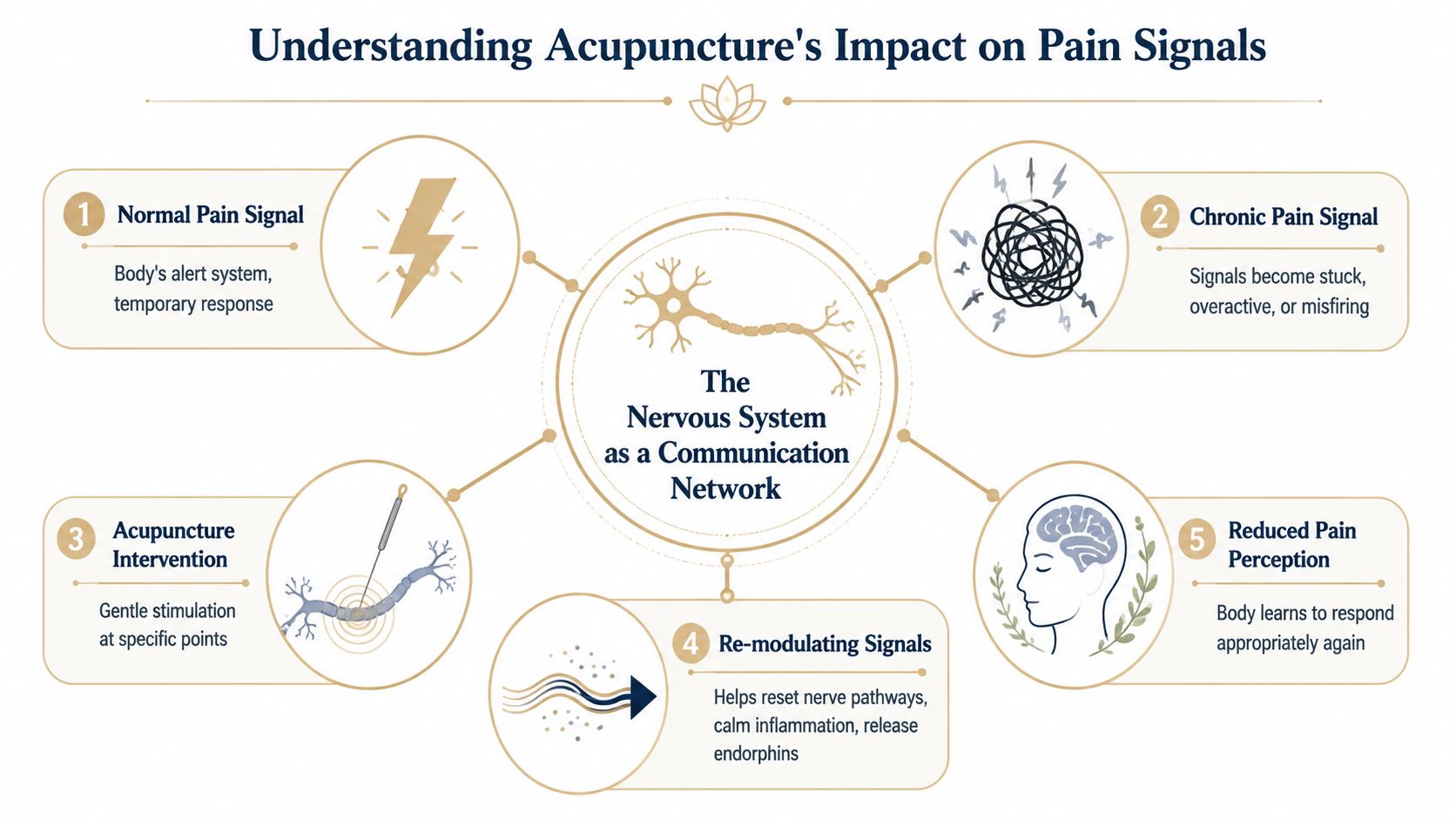
Acupuncture works by giving that system a precise, gentle input. Very thin needles are placed at specific points to stimulate nerves, muscles, and connective tissue. Instead of adding chaos, that stimulation can help the body process signals more appropriately.
Patients often ask whether the needles are “breaking up tension” or “moving energy.” In plain physical terms, it helps to think of acupuncture like retuning an instrument that's gone slightly off pitch. The treatment isn't forcing the body. It's nudging the system toward a better response.
Here are the main effects many practitioners look for:
Patients don't usually need to memorize any of that. What they want to know is what it feels like in real life. A common example is someone whose low back has been “grabbing” for months. After treatment, they may notice it feels easier to stand upright, turn, or walk without the same protective tension.
Practical rule: Acupuncture doesn't erase every cause of pain in one visit. It helps your body respond less dramatically to the pain it's been amplifying.
That's an important distinction. If a joint is restricted, a disc is irritated, or muscles are deconditioned, those pieces still matter. But when the alarm system quiets down, other treatments tend to work better and daily movement becomes less threatening.
People sometimes expect a dramatic sensation during treatment. Most don't feel that. They may notice warmth, heaviness, tingling, a dull ache, or a spreading sense that a tight area is letting go. Those reactions are usually a sign that the body is paying attention.
Acupuncture is used for many pain patterns, but it helps to get specific. Chronic pain doesn't show up the same way in every body. A runner with sciatica, an office worker with neck tension, and an older adult with joint stiffness may all hurt for different reasons, even if they use the same word: pain.
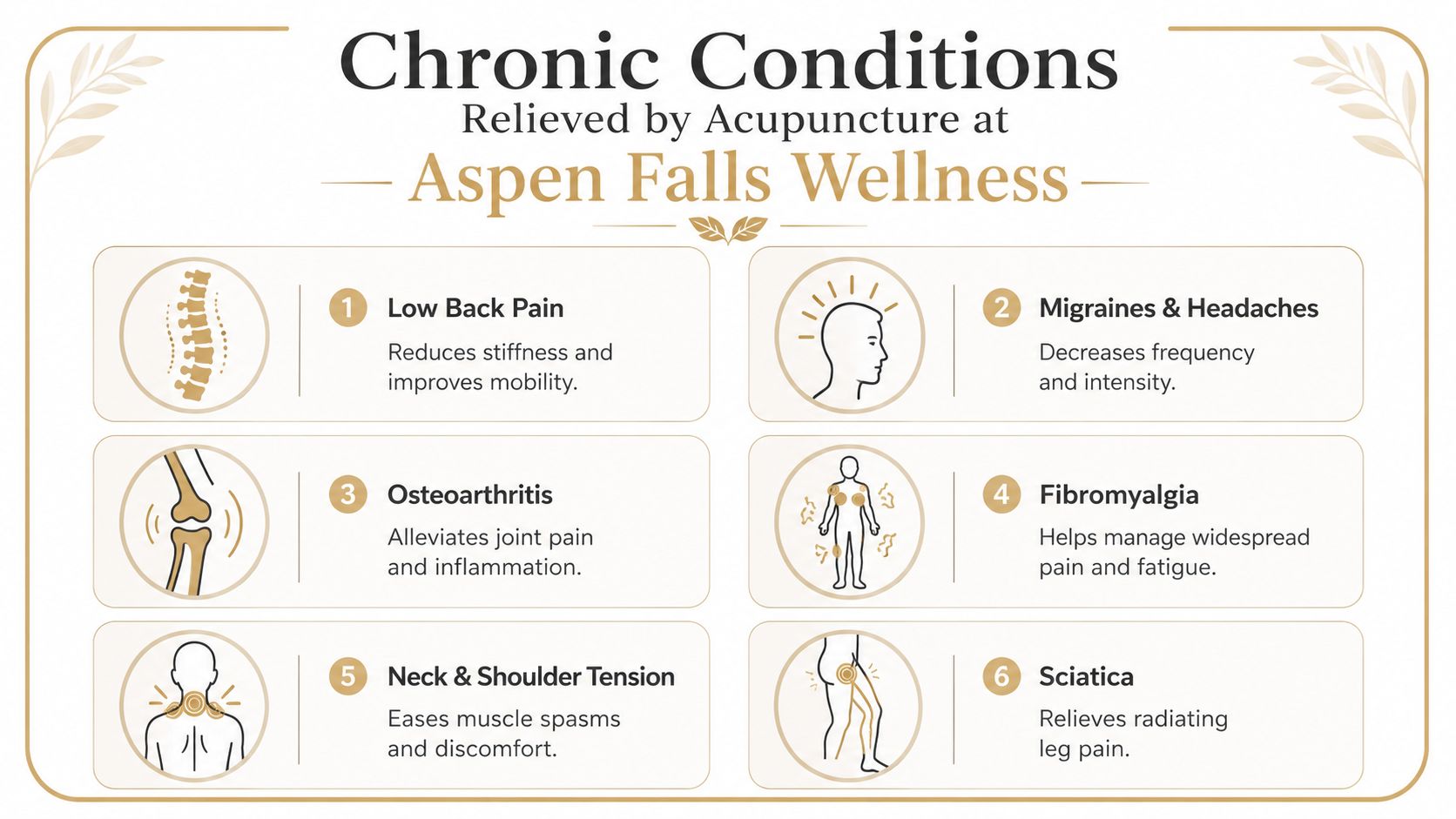
Low back pain is one of the most common reasons people seek acupuncture. The goal may be to reduce guarding in the muscles, improve movement tolerance, and calm pain that keeps returning with sitting, bending, or standing. For chronic low back pain, a meta-analysis of 33 randomized controlled trials found that acupuncture was significantly more effective for pain relief and functional improvement than no treatment or sham acupuncture, with effects persisting at 12 months in the Cochrane review on acupuncture for chronic low back pain.
Sciatica is slightly different. The pain may travel from the low back or hip into the leg, and patients often describe burning, pulling, or electrical discomfort. In those cases, treatment often aims to reduce nerve irritation and release the tight surrounding tissues that keep pressure and tension in the area. If that's what you're dealing with, these sciatica treatment options can help you compare conservative approaches.
Neck and shoulder pain often behaves like a loop. Poor posture, stress, and muscle guarding feed into one another until turning your head or working at a computer becomes uncomfortable. Acupuncture may help soften that loop by reducing muscular tension and making the area less reactive.
Headaches can also have a musculoskeletal component. When the upper neck, jaw, and shoulders stay tight, they can contribute to recurring head pain. In that setting, treatment focuses less on “fixing the head” and more on calming the structures that are feeding the pattern.
For osteoarthritis, the aim is usually practical. Reduce pain, ease stiffness, and help the joint move more comfortably so walking, stairs, or household tasks feel less limiting.
Some patients don't have one neat pain spot. They feel sore, tired, tender, and overloaded in multiple areas. Fibromyalgia and similar widespread pain patterns often require a gentler approach because the whole system is more sensitive.
A simple way to think about it is this:
| Condition | Common treatment focus |
|---|---|
| Low back pain | Ease stiffness and improve movement confidence |
| Sciatica | Calm radiating nerve pain and reduce tension around the pathway |
| Neck and shoulder tension | Release guarding and restore easier motion |
| Headaches | Address muscle and joint contributors in the neck and upper back |
| Osteoarthritis | Improve comfort with daily movement |
| Widespread pain | Lower overall sensitivity and support better function |
The key is matching the treatment to the pattern, not just the label.
The first visit usually feels more ordinary than people expect. There isn't a test of how much pain you can tolerate, and there's no pressure to describe your symptoms in perfect medical language. You explain what hurts, what aggravates it, what helps, and how it affects daily life.
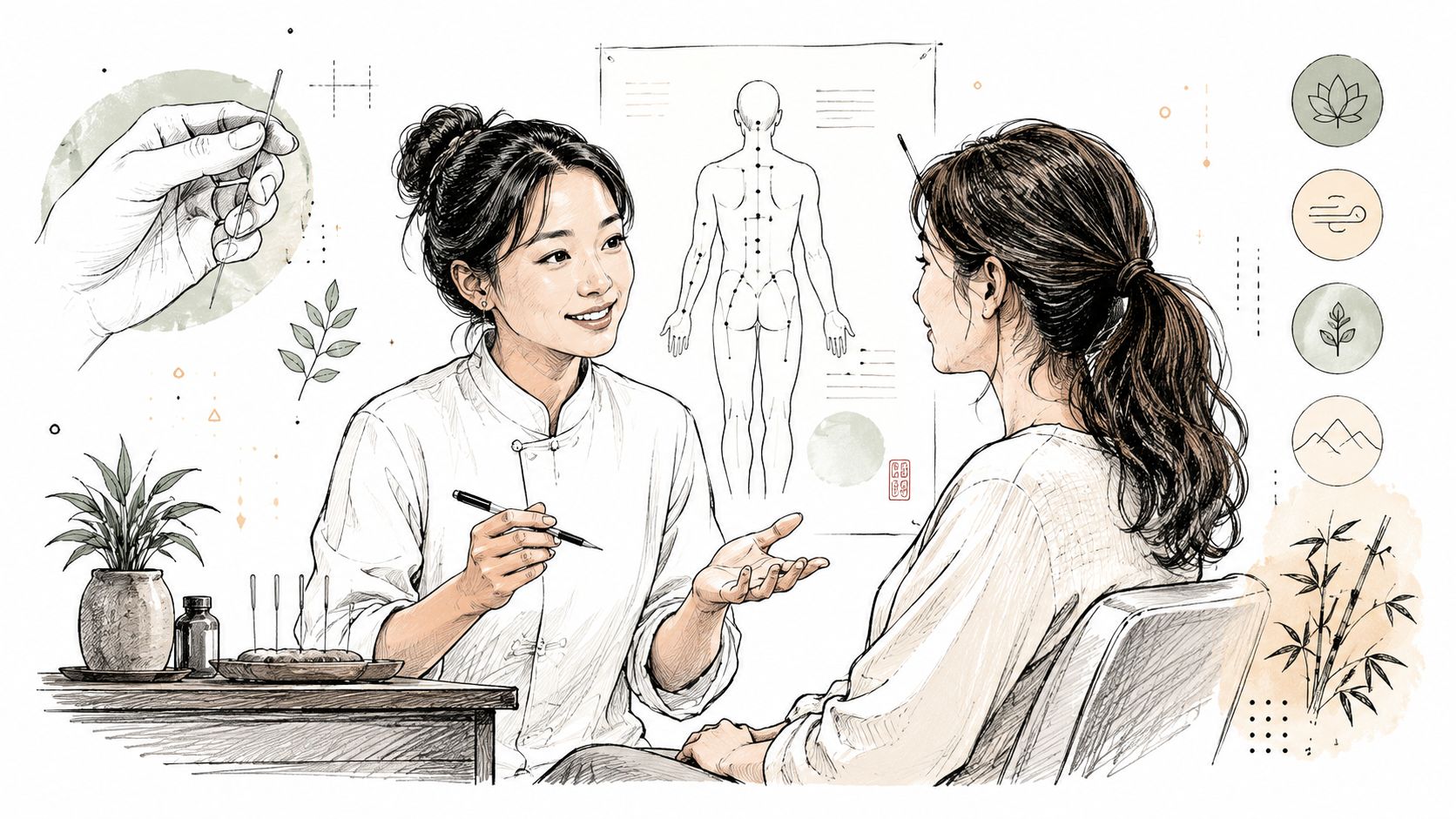
A good consultation connects the pain to your routine. Maybe your back pain spikes after long drives. Maybe your neck stiffens after work calls. Maybe your leg symptoms worsen when you stand at the sink. Those details matter because they show how your body is loading and compensating.
You may also be asked about sleep, stress, old injuries, exercise habits, and treatments you've already tried. That doesn't mean the pain is being blamed on stress. It means pain is influenced by more than one factor, and your care should reflect that.
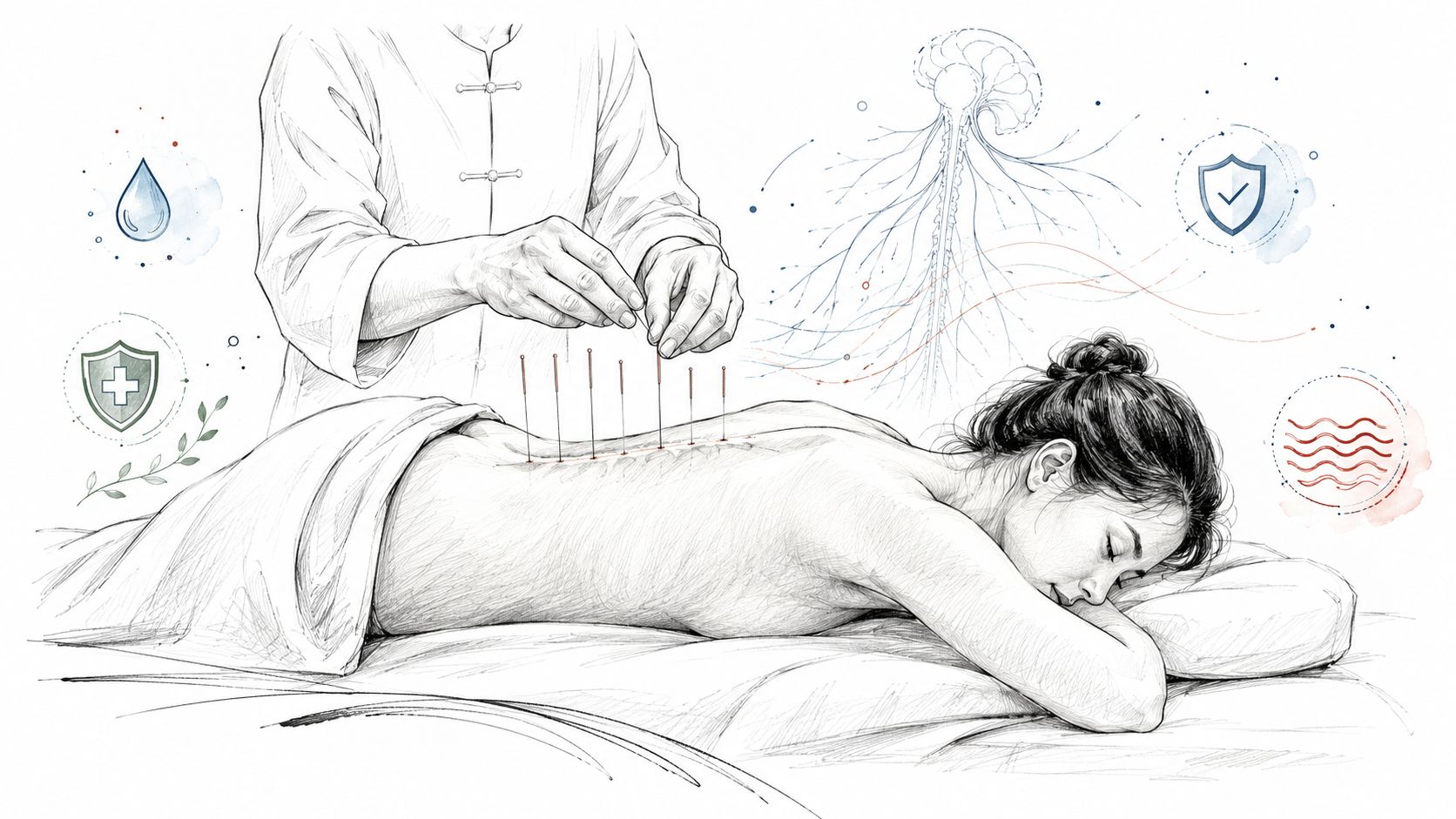
Once the treatment plan is clear, the needles are placed in selected points. They're sterile and single-use. Patients generally feel very little on insertion. If they feel anything, it's often a brief pinch, then sensations like pressure, warmth, tingling, or a dull heavy feeling that fades into relaxation.
A treatment session is usually quiet. You rest while the body responds. Some patients notice one area loosening. Others feel their whole system downshift.
Here's what patients often notice during the appointment:
If you're building a home routine too, supportive tools can matter. Some people combine professional care with simple recovery strategies, and this overview of cold therapy for chronic pain offers ideas on when cold exposure may fit into a broader pain-management plan. For treatment details specific to this service, you can also review this page on acupuncture care.
After a session, some people feel lighter and looser. Others feel pleasantly tired, as if their body just finished a deep reset. Mild soreness can happen, especially in areas that were very tight to begin with.
A first treatment is often less about proving everything in one day and more about learning how your body responds.
That response helps shape what comes next. If your muscles relax quickly but your joint still feels restricted, the next step may differ from someone whose pain is mostly nerve-related or stress-amplified.
Acupuncture is useful on its own, but chronic pain rarely comes from one source. A person with low back pain may also have poor spinal mechanics, tight hip muscles, deconditioning, and irritation from a disc. That's why integrated care often makes more sense than relying on a single method.
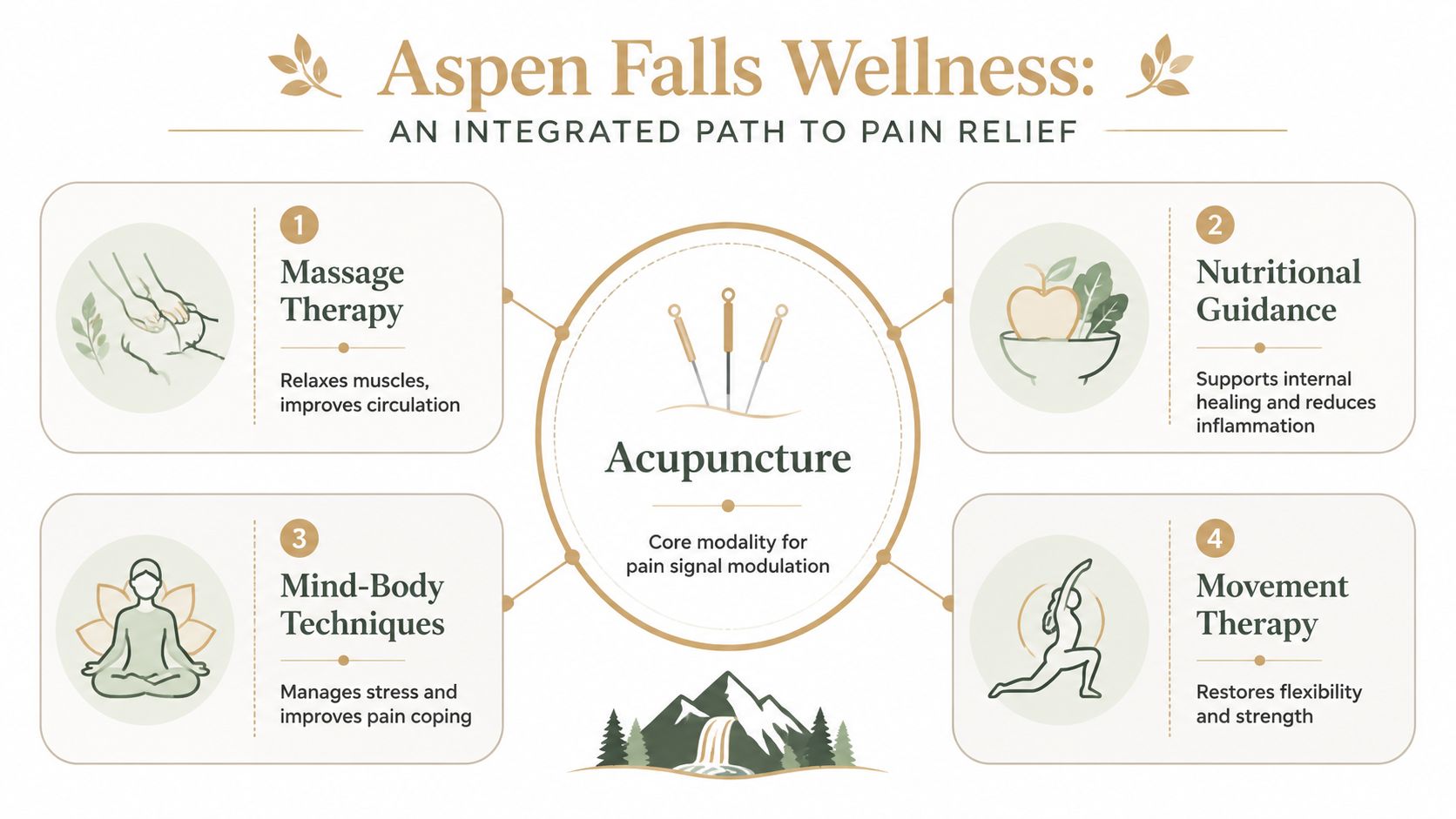
Think of pain relief as solving a traffic jam. If one treatment helps direct cars more smoothly but another removes the blockage itself, the result is often better than either one alone. Acupuncture may help calm the nervous system and reduce pain sensitivity, while another therapy addresses structure, tissue quality, or movement control.
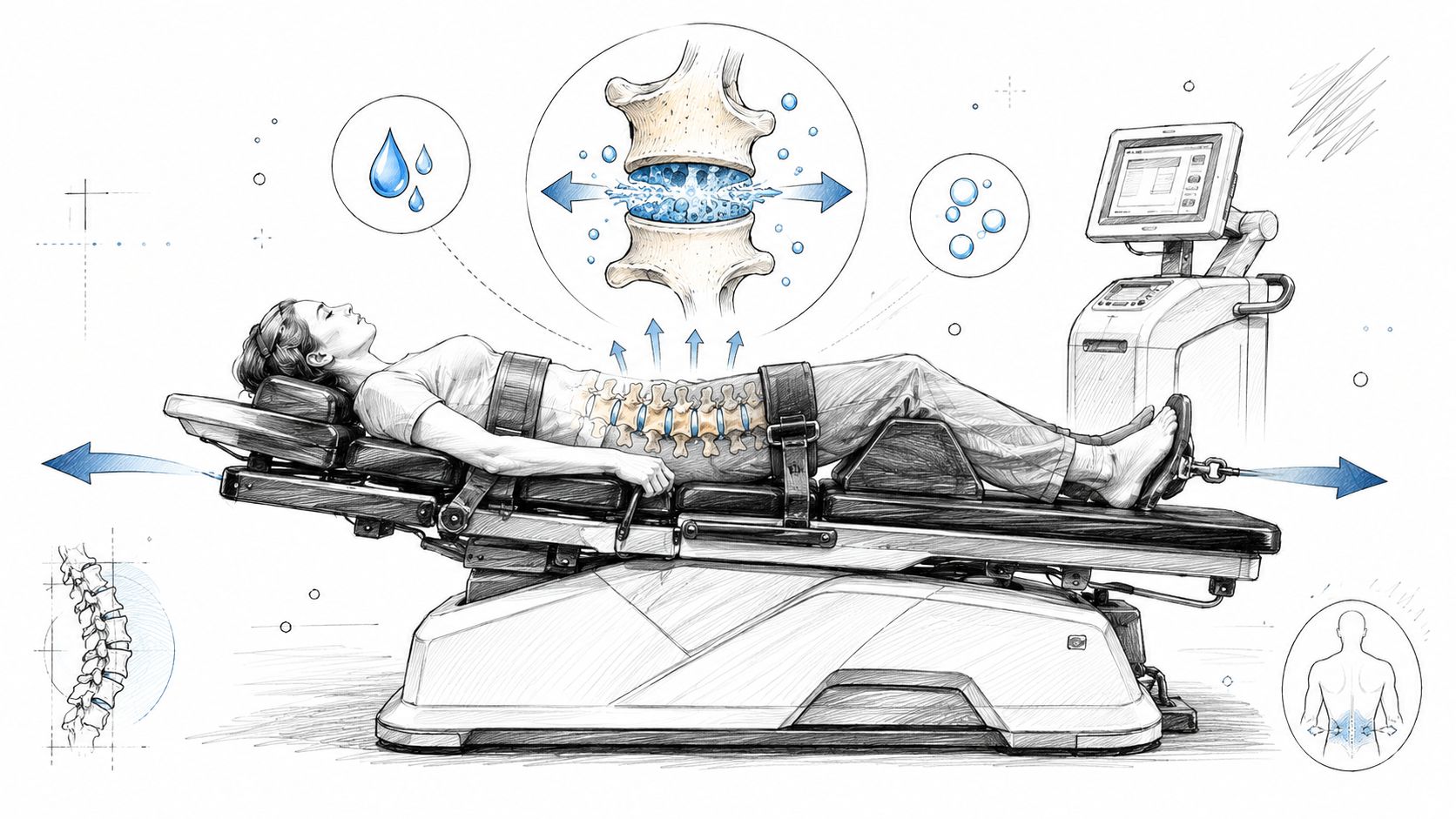
That's where coordinated care becomes useful. At Aspen Falls Wellness, acupuncture may be used alongside chiropractic adjustment, spinal decompression with the DRX 9000, MLS Laser Therapy, massage therapy, mobility therapy, rehabilitation exercise, nutrition counseling, and personalized exercise plans when those pieces fit the patient's condition.
Different combinations serve different goals. Here are a few examples:
Relief tends to last longer when treatment reduces pain and also changes the mechanics that keep triggering it.
That same integrated thinking can apply to sciatica treatment, car accident treatment, chronic neck pain, and even golf movement screening when pain is tied to repetitive movement patterns. The aim isn't to stack therapies for the sake of doing more. It's to choose the right tools in the right sequence.
Safety is often the last question people ask before booking, especially if they've never had acupuncture before. That hesitation is understandable. Needles sound intimidating until you learn how treatment is delivered.
When acupuncture is performed by a licensed professional using sterile, single-use needles, it's generally considered a low-risk treatment. Minor bruising, brief soreness, or a small spot of bleeding can happen, but serious problems are uncommon when proper technique and screening are used.
That screening matters. A provider should know about your medications, health history, injury history, and symptoms before treatment begins. If something falls outside the clinic's scope, referral to another specialist is the safer move.
Patients also ask whether they need to choose between acupuncture and medical care. In many cases, they don't. Acupuncture can be part of a broader conservative care plan while you continue working with other providers as needed.
For people in the area, access matters almost as much as safety. If you're looking for a local starting point, this Salt Lake City clinic location gives you the practical details for receiving care nearby.
Insurance is another common concern. Many patients want to know whether conservative treatment is even worth exploring financially. Plans differ, and benefits should always be verified, but clinics may work with major carriers such as Aetna, BCBS, and Cigna. If you're comparing broader coverage options in Utah, this Pounds Health Insurance Utah guide can help you think through the insurance side before scheduling care.
A few practical questions to ask when you call:
A short phone call can remove a lot of uncertainty.
Does acupuncture hurt?
Acupuncture is often reported to hurt far less than expected. The needles are very thin, and the common sensations are mild pressure, tingling, warmth, or a dull ache rather than sharp pain.
How many sessions will I need?
That depends on how long you've had the problem, how sensitive the area is, and whether the pain is mostly muscular, joint-related, nerve-related, or mixed. Some people notice change quickly. Others improve more gradually with a series of treatments.
Can I keep doing my other treatments?
Often, yes. Acupuncture is commonly used as part of a broader plan that may include chiropractic adjustment, spinal decompression, massage therapy, rehabilitation exercise, mobility therapy, nutrition support, or medical care when appropriate.
What should I wear to my appointment?
Wear comfortable clothing. Depending on the treatment area, you may need access to the arms, legs, upper back, neck, or low back.
What if I'm nervous about needles?
That's common. Tell your provider. They can explain each step, start gently, and help you feel more comfortable before treatment begins.
Will I feel different right away?
You might. Some patients leave feeling looser, calmer, or less guarded. Others notice the main change later that day or the next morning. Occasionally, the first sign of progress is better sleep or easier movement, not immediate pain relief.
Is acupuncture only for back pain?
No. People also seek it for sciatica, neck pain, headaches, muscle tension, joint stiffness, and other chronic pain patterns.
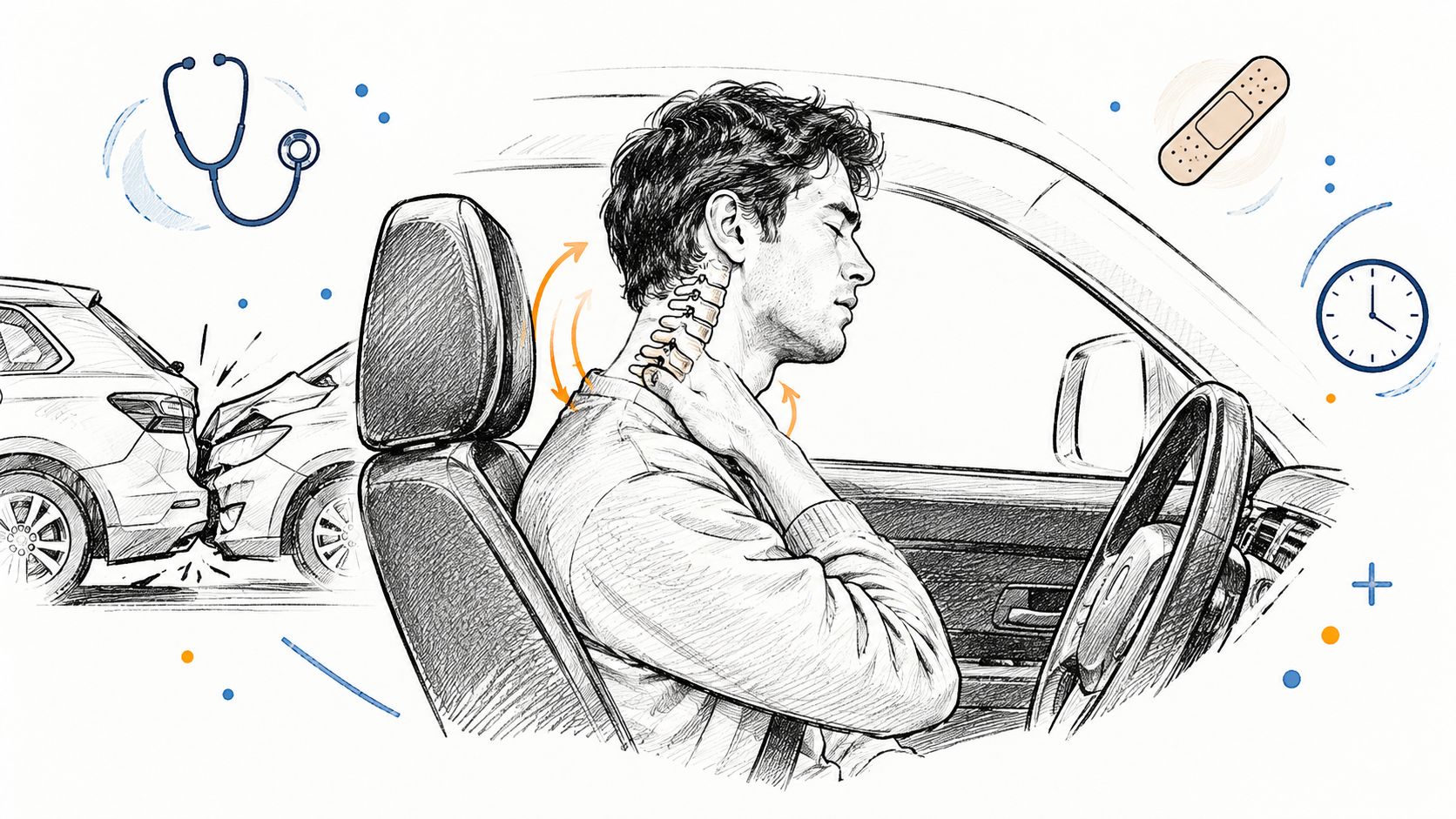
What if my pain started after a car accident?
That history matters. Pain after a collision can involve joint irritation, whiplash, muscle guarding, and nerve sensitivity. Make sure your provider knows how the injury happened and what symptoms have changed since then.
If you're ready to explore a conservative plan for pain relief, Aspen Falls Wellness offers acupuncture along with chiropractic care, spinal decompression, massage therapy, MLS Laser Therapy, rehabilitation exercise, and other non-surgical options for patients in Salt Lake City and Sandy.

Stay updated with the latest chiropractic news and exclusive offers.