Experience lasting pain relief with expert massage therapy salt lake city. Our integrated approach treats sciatica, back pain, & injuries at Aspen Falls


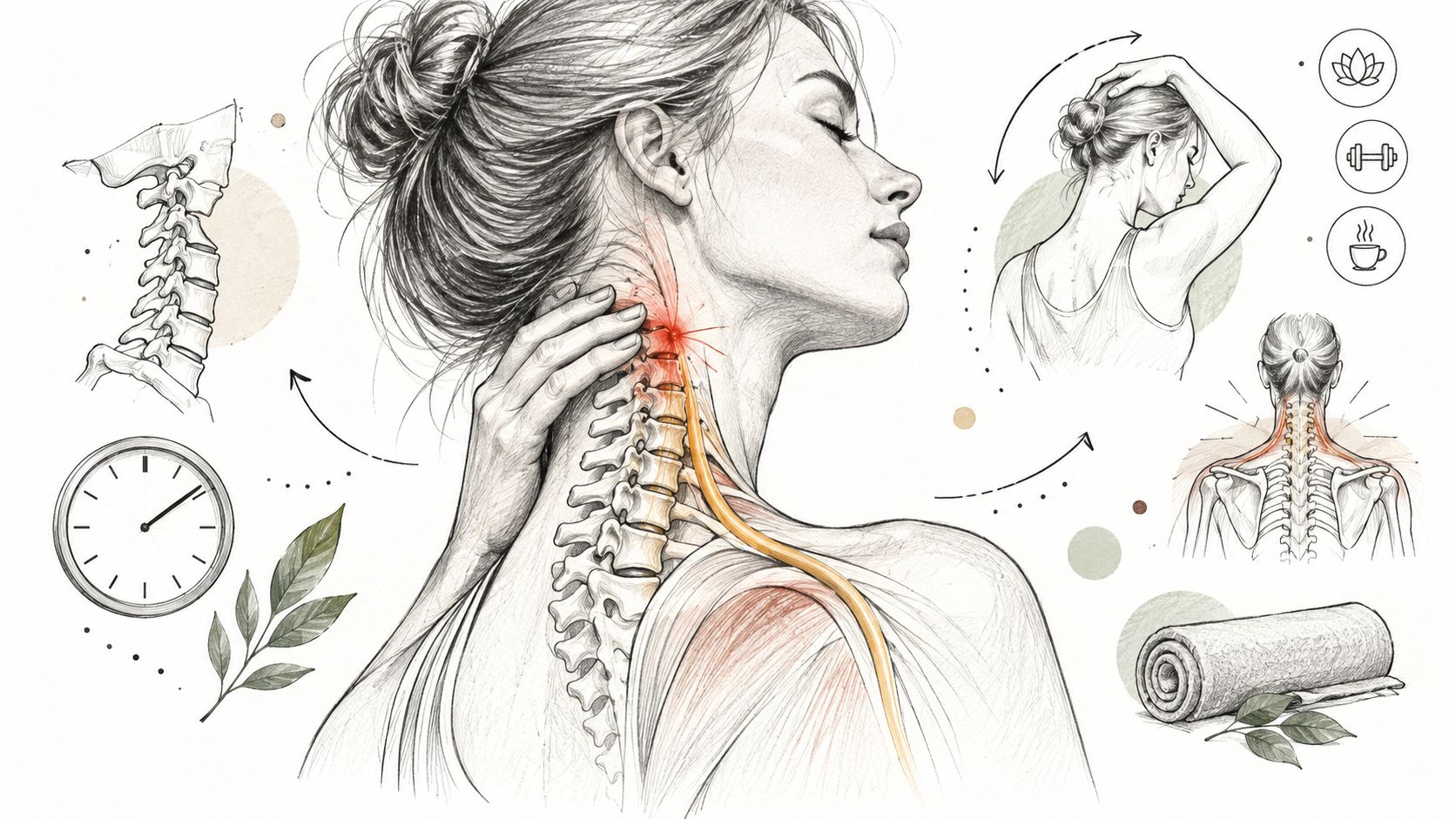
You wake up with the same tight neck you had last week. By lunch, it has spread into your shoulder blade. By evening, you're stretching, using heat, changing your desk setup, and wondering whether a massage would actually help or just feel good for a day.
That's the question underlying searches for massage therapy in Salt Lake City. They don't want a candlelit hour that temporarily softens stress. They want to know if hands-on treatment can reduce pain, improve movement, and fit into a real recovery plan for back pain, sciatica, headaches, whiplash, or sports injuries.
In a clinical setting, it can. The difference is intent. Relaxation massage aims to calm the nervous system and help you unwind. Therapeutic massage looks for restricted tissue, guarding, trigger points, movement faults, and irritation patterns that are feeding your symptoms. It's less about escaping your body and more about helping it work better again.
A lot of patients come in after trying the obvious things first. They've had a relaxing massage somewhere else. They felt looser for a day or two. Then the low back pinch returned when they stood up from the car, or the headache came back after another workday. That doesn't mean massage failed. It usually means the wrong type of massage was used for the problem.
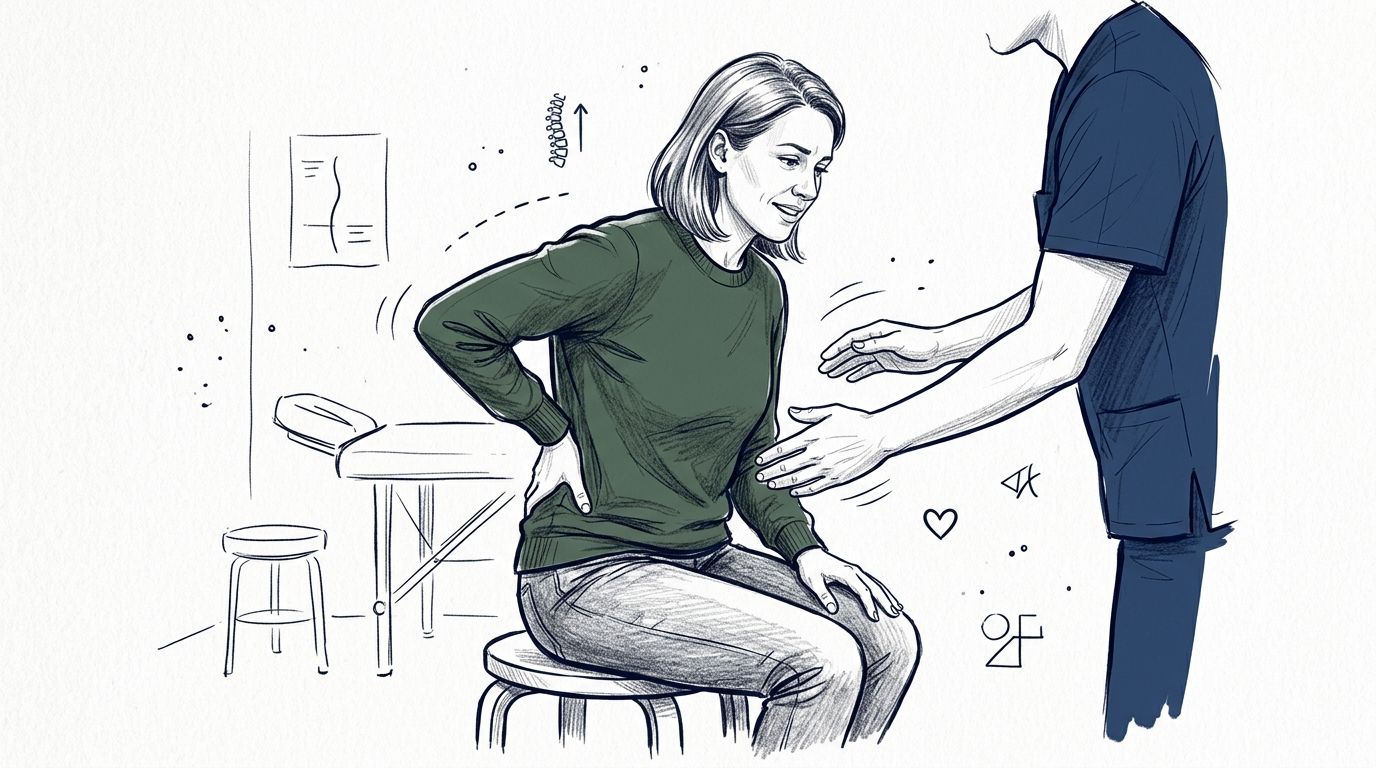
Clinical care starts with a different question. Not “Where do you want more pressure?” but “What structure is overloaded, what tissue is guarding, and what movement keeps re-irritating it?” That shift matters if you're dealing with recurring neck pain, postural strain, nerve irritation, or post-accident stiffness.
There's another issue in this market. Patients need to know they're choosing a legitimate, licensed provider. In Salt Lake City, approximately 61 illicit massage businesses operate, representing roughly 31% of the state's estimated 195 total illicit establishments, which makes verification and licensing especially important when seeking care for pain and injury (Utah trafficking measures report reference).
Practical rule: If a provider can't clearly explain what they're treating, why they're using a technique, and what they'll reassess after treatment, you're not getting clinical massage.
Some people also like to combine hands-on treatment with self-care strategies at home. If you're exploring broader science-backed pain relief options, that can be a useful way to think about recovery between visits, as long as those choices support rather than replace proper evaluation.
Clinical therapeutic massage is goal-driven soft-tissue treatment. The goal might be to reduce protective muscle spasm, improve joint motion, calm an irritated area, restore tissue glide, or help you tolerate movement again. The session is shaped by the problem, not by a preset spa routine.
Relaxation massage has value. It can lower stress, help you settle down, and reduce general tension. But when someone has disc-related pain, post-whiplash restriction, recurrent headaches, or stubborn shoulder dysfunction, relaxation alone usually isn't enough.
A simple comparison helps.
| Focus | Spa or general massage | Clinical therapeutic massage |
|---|---|---|
| Primary aim | Relaxation and stress relief | Pain reduction and functional improvement |
| Session design | Often standardized | Built around findings from exam and palpation |
| Technique choice | Comfort-first routine | Technique selected for tissue response and movement goals |
| Progress check | Usually subjective only | Symptoms and motion are reassessed |
In practice, that means the therapist is paying attention to irritability, tissue texture, range of motion, pain referral patterns, breathing strategy, posture, and how one area may be overworking because another area isn't doing its job.
Some patients need broad down-regulation first. Others need focused work around a specific structure. A therapist may combine several methods in one session:
Good clinical massage doesn't chase soreness. It changes the mechanics and sensitivity that keep soreness coming back.
A useful way to think about it is this. General massage asks, “How can this session feel better?” Clinical massage asks, “What can we change today that makes tomorrow move better?” That's why massage therapy in Salt Lake City means very different things depending on whether you're booking for relaxation or for a musculoskeletal problem.
Massage is often most effective when the problem has a strong soft-tissue component. That includes protective spasm, myofascial restriction, guarding after injury, poor movement tolerance, and pain patterns that spread because nearby muscles are overworking.

For chronic pain broadly, therapeutic massage has shown a standardized mean difference of -2.44 for pain reduction compared to sham treatment, outperforming no treatment and active comparators in the reviewed evidence (manual therapy evidence summary). That doesn't mean every sore muscle needs the same protocol. It means targeted manual care can have a meaningful role when the right patient gets the right treatment.
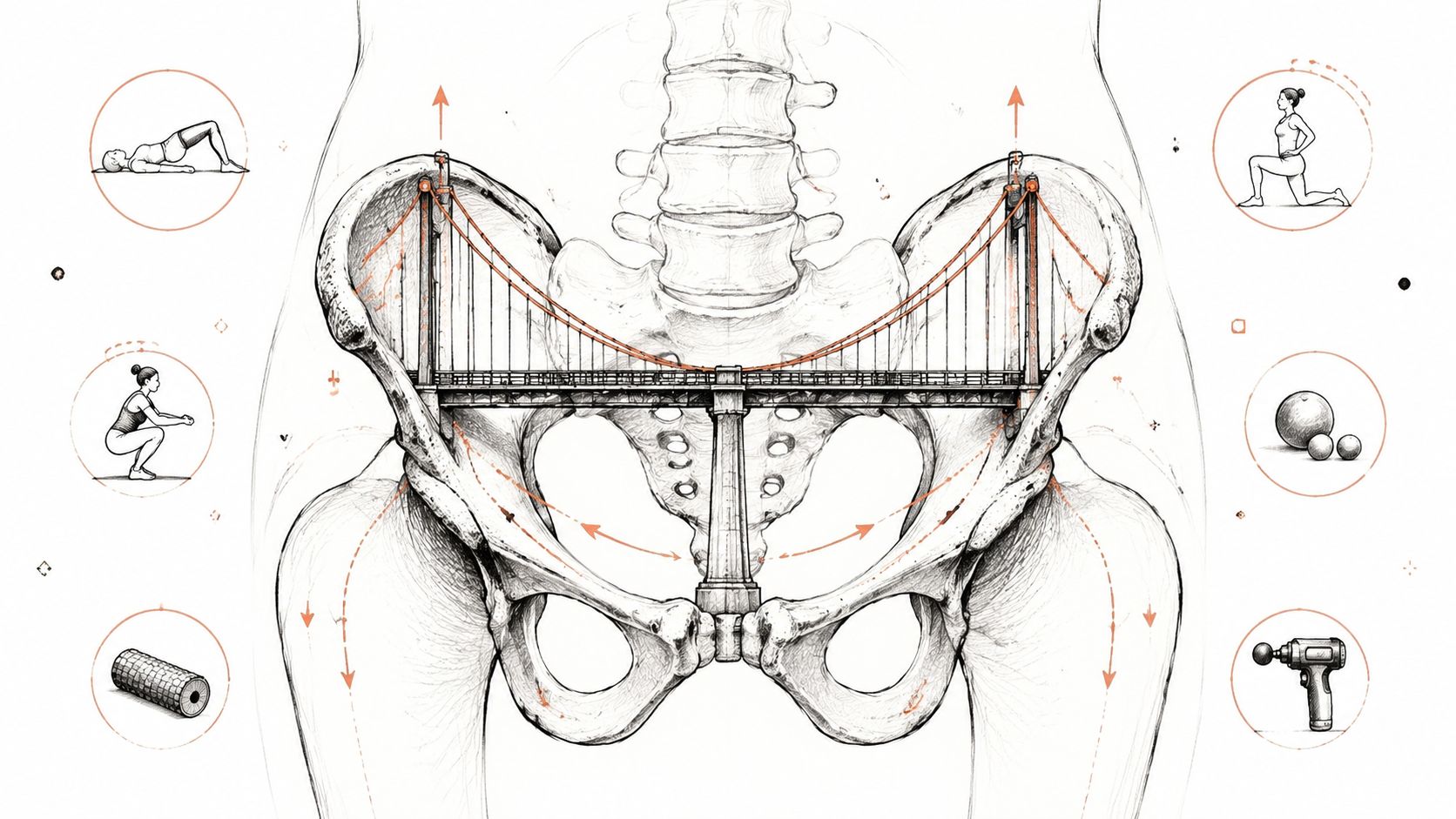
Massage doesn't push a disc back in. That's not the job. What it can do is reduce the soft-tissue tension around the lumbar spine, pelvis, glutes, and posterior hip that often increases compression, bracing, and pain sensitivity.
For some patients, the biggest early win is not that leg symptoms vanish instantly. It's that sitting becomes easier, stride length improves, and the body stops clenching around the problem. If lower back symptoms are your main issue, this guide to lower back pain care options can help frame where massage fits.
Headache patients often carry more than one driver at once. Upper trapezius overload, suboccipital tension, jaw clenching, forward head posture, and restricted upper thoracic motion can all add to the pattern.
Therapeutic massage helps by unloading the tissues that keep the neck working too hard. For patients who also like home comfort strategies, some find resources on essential oils for headache relief useful as a secondary measure, though that's very different from clinically treating the muscular and movement factors that trigger recurring pain.
Post-accident patients usually don't need aggressive pressure. They need calm, skilled treatment that respects irritability. In early or reactive cases, the priority is often reducing guarding, improving tolerance to gentle motion, and helping the nervous system stop treating normal movement like a threat.
Sports injuries are different. With athletes and active adults, massage can target overloaded tissue, improve movement quality, and support return to training when paired with corrective exercise and mobility work.
A few examples:
The biggest mistake people make is expecting one therapy to do every job. Massage can reduce soft-tissue restriction and help calm pain, but it doesn't replace decompression when a disc problem is driving sciatica. An adjustment can improve segmental motion, but it won't fully resolve dense muscle guarding by itself. Laser therapy can support recovery, but it doesn't teach the body how to move differently.
That's why integrated care matters.
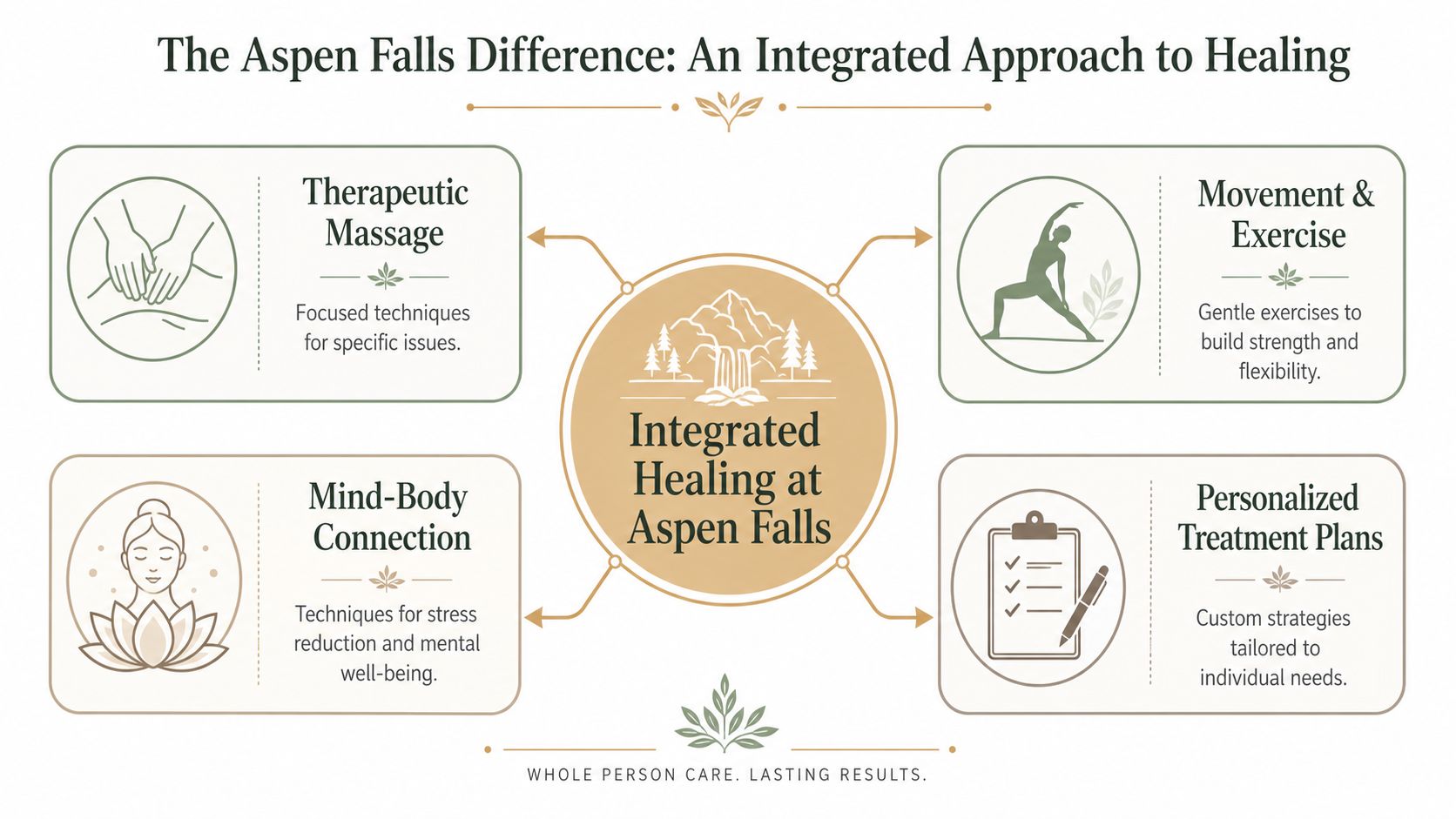
In a multidisciplinary setting, each service can handle a different part of the problem:
One clinic using this model is Aspen Falls Wellness, where massage is used as part of a coordinated musculoskeletal plan rather than a standalone wellness add-on.
The sequencing often matters as much as the therapies themselves.
A patient with lumbar disc irritation and sciatica may first need massage to reduce gluteal guarding and paraspinal spasm so their body can tolerate decompression better. A patient with a stubborn neck complaint may respond better to an adjustment after the surrounding soft tissue has been released. Someone recovering from an overuse injury may need laser therapy for symptom control, massage for tissue quality, and rehab exercise so the same load doesn't keep landing on the same structure.
The DRX9000 is a good example of why specificity matters. The DRX9000 spinal decompression system is FDA-cleared specifically for patients with incapacitating low back pain and sciatica caused by herniated discs, degenerative discs, and posterior facet syndrome (DRX9000 clearance context). That is much more precise than saying it's for any generic back pain.
The fastest relief isn't always the most durable relief. Durable relief usually comes from matching the right therapy to the right barrier, then reinforcing the change.
A coordinated plan doesn't mean every patient gets every service. It means the clinic looks at what's driving the symptoms, then combines tools only when they solve different parts of the same problem.
Most new patients are less nervous about the massage itself than about not knowing what the visit will feel like. A proper first session should be structured, calm, and responsive. You shouldn't feel like you're being put through a generic routine.
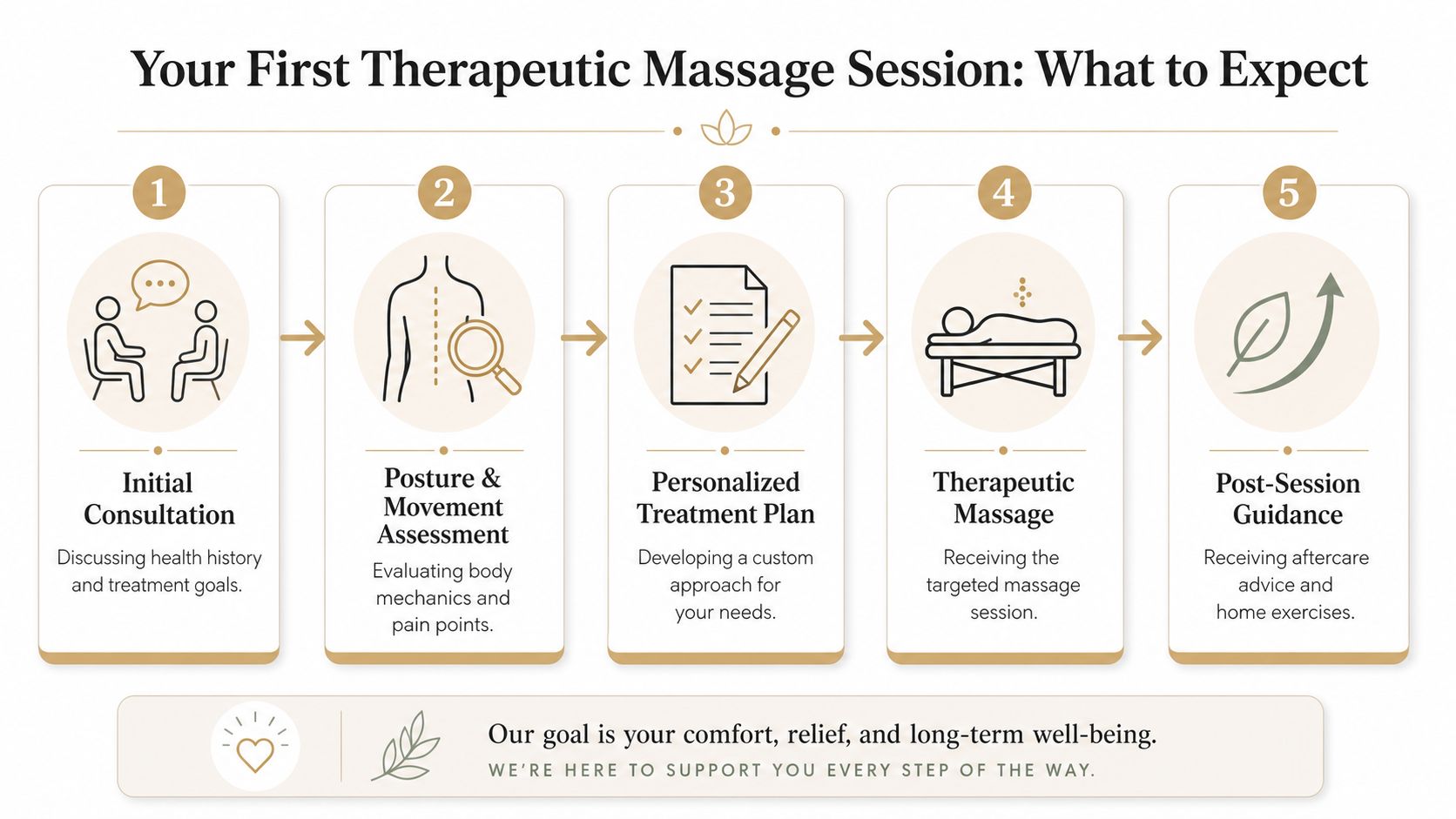
Before treatment starts, the therapist needs context. That includes where the pain is, what aggravates it, how long it's been there, what helps, whether symptoms travel, and whether there are any red flags that change the plan.
Then comes the physical part of the evaluation. Depending on the complaint, that may include posture, movement screens, tissue palpation, range of motion, and a quick comparison of right versus left side function.
A strong first session usually follows this sequence:
Clinical note: Effective massage requires an individualized Assess-Treat-Reassess process tailored to your biomechanics and stressors, rather than a static checklist approach (clinical reasoning in massage).
During the hands-on portion, communication matters. If pressure causes guarding, the treatment becomes less effective. If the work is too light for a dense chronic restriction, the tissue may not change enough. Good therapists adjust constantly.
You may notice that the session doesn't spend equal time everywhere. That's by design. A clinical massage often spends more time in the areas that are driving the pattern and less time in regions that are only passively tight.
After treatment, the therapist should reassess something. That may be neck rotation, forward bending, ease of walking, or how a painful movement feels now versus before. Then you get practical next steps, which may include mobility drills, hydration, activity modification, or follow-up timing.
If you're new to clinical settings and unsure about visit etiquette, this article on massage tipping at a chiropractor clears up one of the most common first-visit questions.
If you're looking for massage therapy in Salt Lake City because pain is affecting work, sleep, exercise, or driving, don't overcomplicate the next step. Book the evaluation and let the clinical findings determine whether massage should stand alone or be paired with decompression, chiropractic adjustment, acupuncture, laser therapy, mobility therapy, or a home exercise plan.
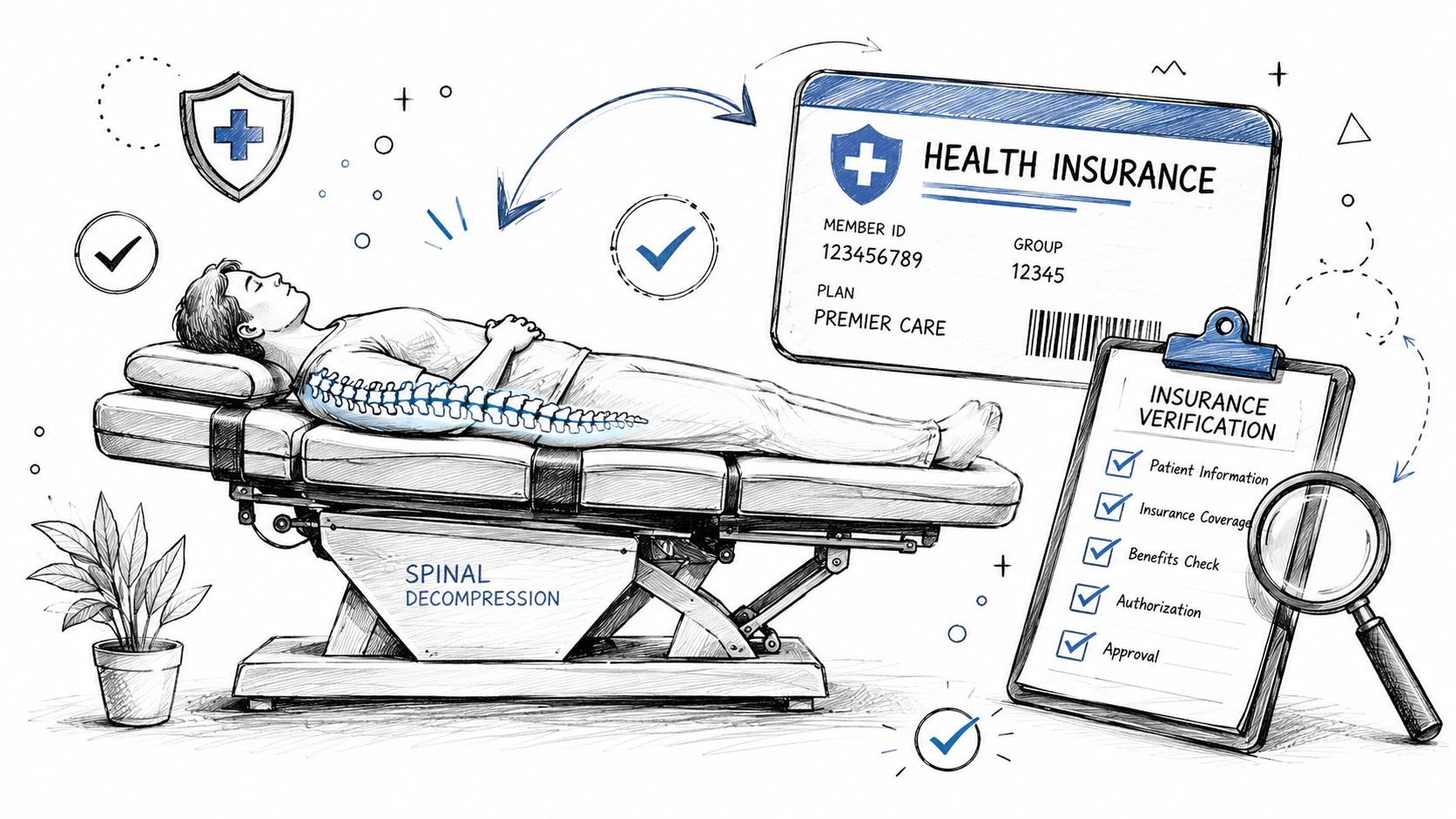
Aspen Falls participates with multiple insurance plans, including Aetna, BCBS, Cigna, Humana, GEHA, and Motiv Health, though verification is still recommended before treatment. That's especially useful when your care plan may involve more than one service.
For clinic owners and healthcare teams, clear location pages and service information also matter because patients need to find the right care quickly. This overview of how to rank local for medical clinics is useful reading on that side of the process.
Does therapeutic massage hurt?
It shouldn't feel careless or overwhelming. Some techniques can be intense, especially around chronic restrictions or trigger points, but productive treatment stays within a tolerable range. If your body starts bracing hard against the pressure, the session needs to be adjusted.
How many sessions will I need to feel better?
That depends on the problem, how long it's been there, how reactive the tissue is, and whether the issue is mainly muscular or part of a larger joint or disc pattern. Some patients feel a change quickly. Others improve more steadily when massage is paired with chiropractic care, rehabilitation exercise, decompression, or mobility work.
Is massage therapy safe after a car accident?
Often yes, but timing and technique matter. After a collision, tissues can be inflamed and the nervous system can be highly protective. The session should be adjusted for irritability, and some patients need a broader evaluation first to rule out issues that require a different starting point.
Do I need a referral?
Not always. Many people book directly for an initial evaluation. If your symptoms are complex, severe, or not responding as expected, coordinated care may also involve communication with other providers or referral out when needed.
Can massage help sciatica?
It can help with the muscular and movement side of sciatica. It may reduce guarding in the low back, hips, and glutes and make walking, sitting, or standing easier. But if disc pathology is a major driver, massage usually works best as one part of a broader plan.
What should I wear to my appointment?
Wear comfortable clothes you can move in easily. If movement testing is part of the visit, restrictive clothing makes assessment harder. You'll be told what's needed for draping and comfort before treatment starts.
Is therapeutic massage the same as deep tissue massage?
Not exactly. Deep tissue is one method. Therapeutic massage is the larger clinical category. Sometimes deep tissue is appropriate. Sometimes lighter work, myofascial techniques, trigger point release, or a more cautious post-injury approach is the better choice.
Can massage fix the root cause by itself?
Sometimes it can address the main driver, especially when the issue is largely soft-tissue based. But plenty of painful conditions involve more than one factor. If movement habits, disc irritation, joint restriction, or postural loading are part of the problem, massage works better when those pieces are treated too.
If you're dealing with recurring back pain, sciatica, neck tension, headaches, or post-injury stiffness, Aspen Falls Wellness offers a clinical path forward with massage therapy, chiropractic care, decompression, laser therapy, exercise planning, and other non-surgical options coordinated around the problem you're trying to solve.

Stay updated with the latest chiropractic news and exclusive offers.