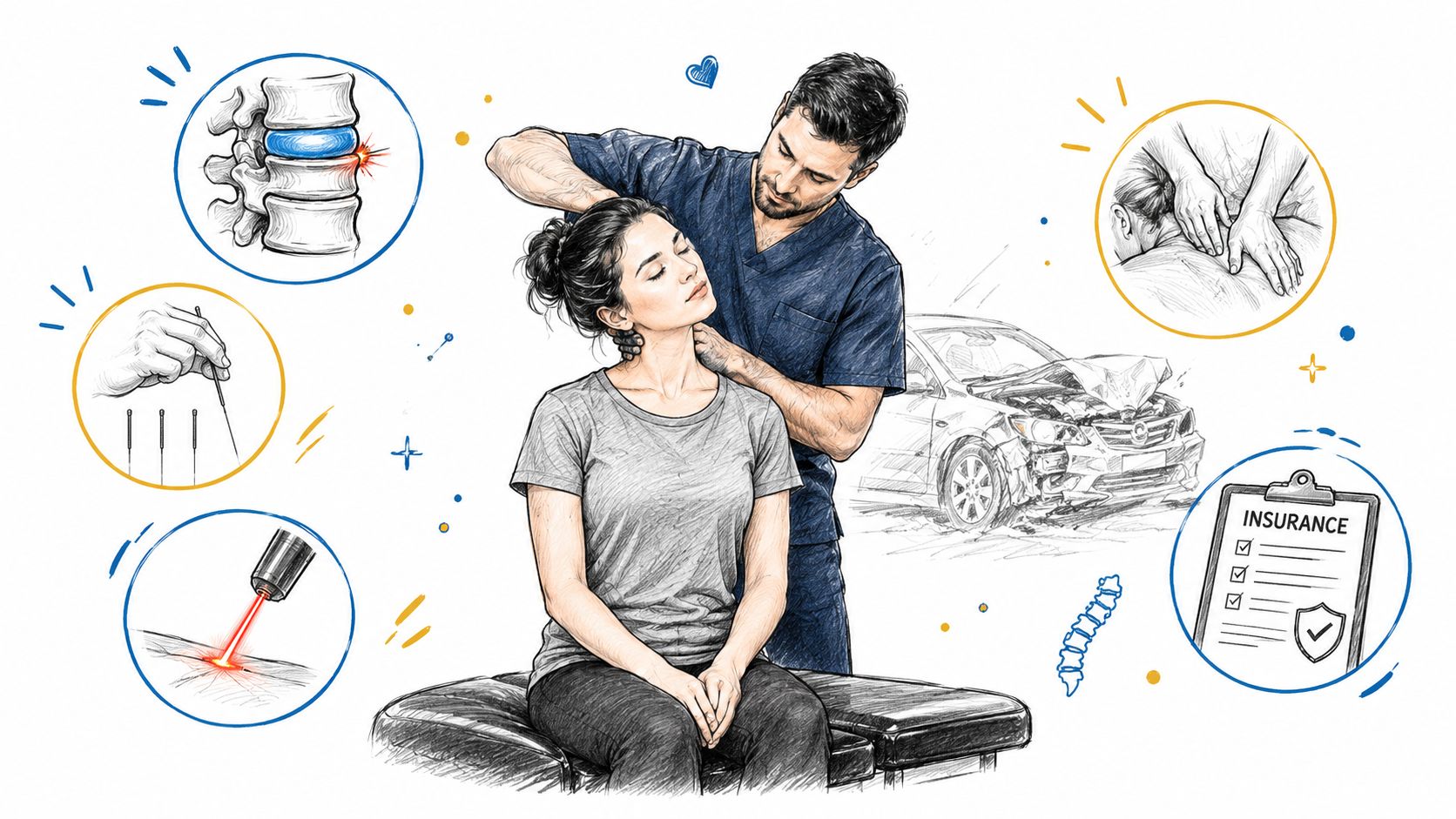
Discover how chiropractic pelvic alignment works, what causes misalignment, and which therapies deliver real results for back and hip pain relief.



The most popular advice about chiropractic pelvic alignment is also the most misleading: “Your pelvis is out of place, so it needs to be put back.” The pelvis usually isn't a loose bone that has slipped from a fixed position. It's a load-sharing structure whose joints, muscles, lumbar spine, and hips constantly adapt to walking, sitting, lifting, sport, pregnancy, and injury.
That distinction matters. A chiropractic adjustment may reduce pain and improve joint motion, but lasting progress usually depends on changing how your body distributes force and controls movement. Good care doesn't chase perfect symmetry. It identifies the movement or loading problem that's limiting you, then combines appropriate manual therapy with rehabilitation, mobility work, and realistic guidance.
The pelvis works more like a dynamic platform than a rigid block. It connects the lumbar spine to the legs, helps transfer force during movement, and changes position subtly as you walk, climb stairs, rotate, or lift. A person can have a visible difference in hip height without having a painful condition, while someone with significant pelvic-region pain may look reasonably symmetrical when standing.
The phrase “pelvic misalignment” can describe several different clinical possibilities. It might refer to limited motion near the sacroiliac region, a hip mobility restriction, altered lumbar movement, muscular guarding, or a habitual movement strategy. Those possibilities require different assessments and different treatment decisions. They shouldn't be collapsed into one diagnosis based only on how the pelvis looks.
Practical rule: A visual tilt is a clue, not a diagnosis.
The evidence places an important limit on hands-on alignment testing. A systematic review of 61 studies concluded that common pelvic alignment palpation tests have poor reliability and unclear validity, so no single landmark check or symmetry test can reliably confirm that the pelvis is out of alignment. The review also found that a manipulable lumbo-pelvic lesion remained hypothetical because dependable diagnostic procedures hadn't been established. Read the systematic review of lumbo-pelvic assessment tests
When patients feel better after an adjustment, the improvement doesn't necessarily mean a rotated pelvic bone was permanently returned to its original position. Manual therapy can influence joint motion, muscle tone, sensitivity, and confidence with movement. Those changes can make walking, bending, or turning feel easier.
Research also shows why pelvic alignment remains relevant without proving that alignment causes pain. In asymptomatic adults, radiographic analysis found an average anterior pelvic tilt of 13 degrees, with a range from -4.5 to 27 degrees. A 2024 systematic review pooling 46 studies and 5,097 people with low back pain, alongside 6,974 controls, found pelvic tilt was statistically higher in the low-back-pain group, with a standardized mean difference of 0.23, a 95% confidence interval of 0.10 to 0.35, and p < 0.01. The review also reported high heterogeneity and no firm causal conclusions. Review the pelvic tilt findings and their limitations
The useful clinical question isn't “Can I make both sides look identical?” It's “Can we improve your pain, mobility, strength, and tolerance for the activities you need to do?”
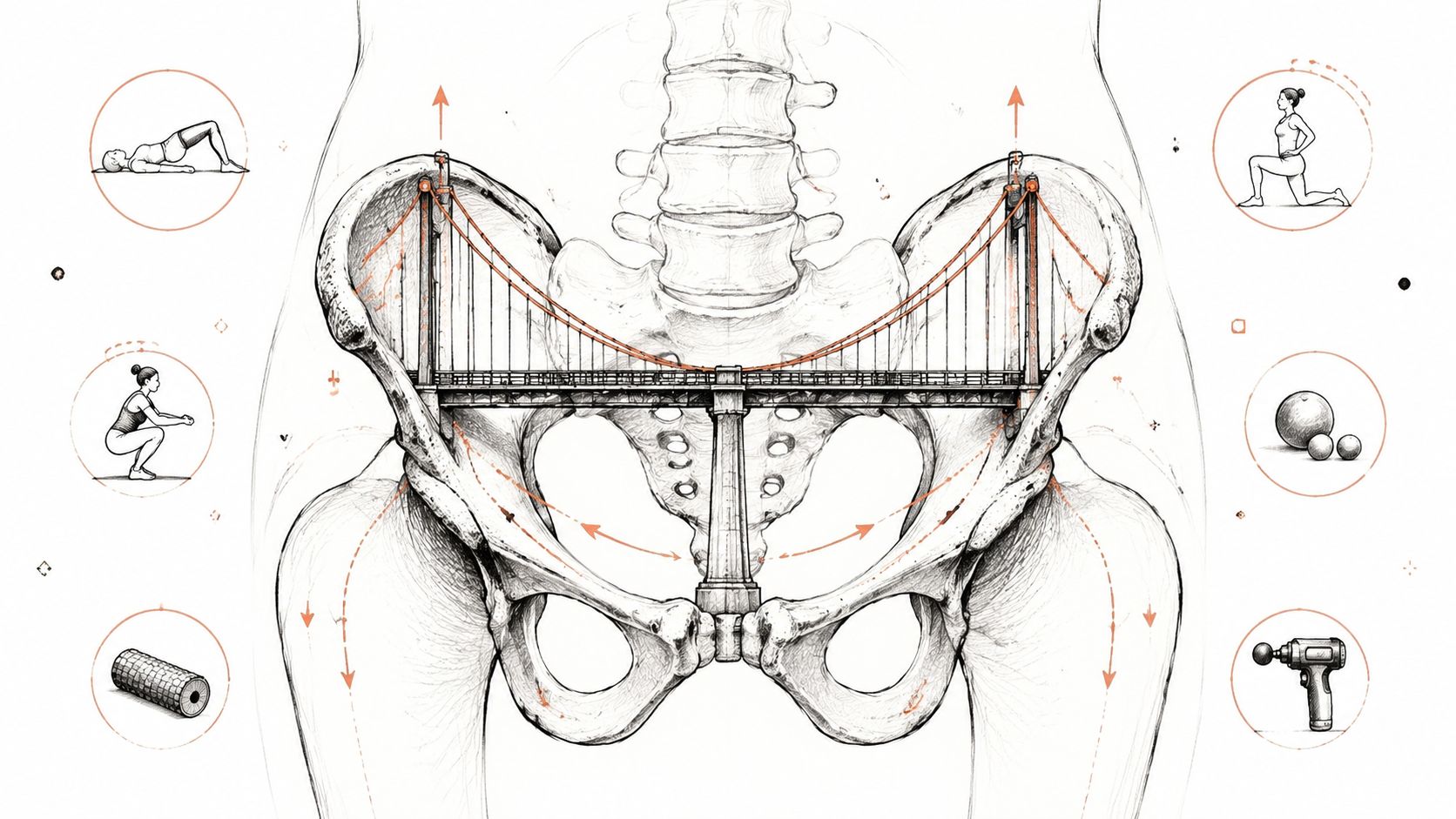
Think of the pelvic ring as a suspension bridge. The structure has to distribute force between the spine and the legs while remaining stable enough to support walking, lifting, and changing direction. The sacroiliac joints sit within that force-transfer system. They don't need large visible movements to matter. Small changes in stiffness, muscle control, and loading can alter how force travels through the low back, pelvis, and hips.
That's why sitting for long periods, pushing off one leg, carrying a load on one side, or repeatedly rotating through the same direction can create symptoms without causing a dramatic structural shift. The body adapts to demand. If one region becomes guarded or stiff, another region often moves more to complete the task.
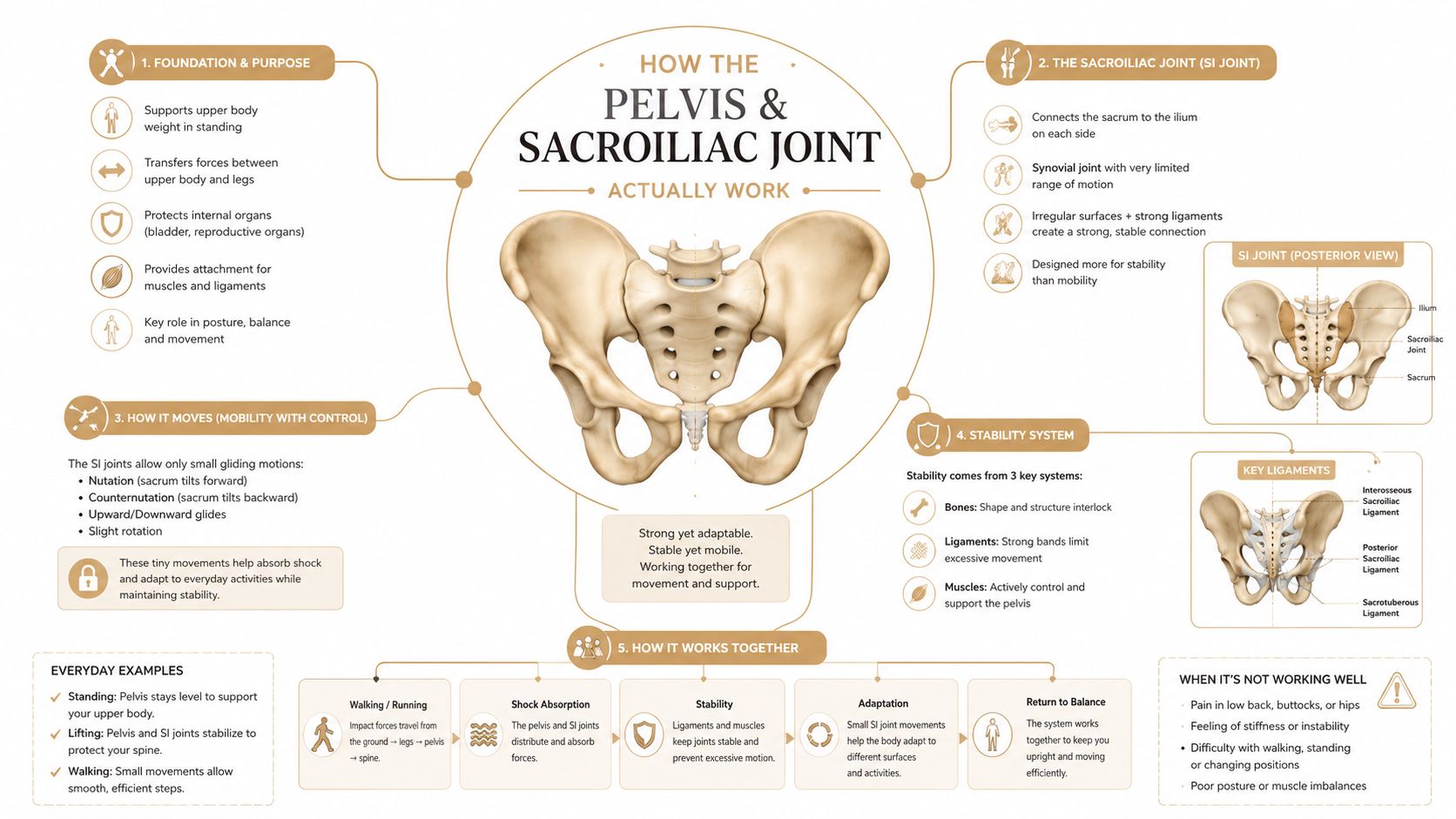
A biomechanical review of the sacroiliac joint found that the pelvis isn't a rigid ring and can develop asymmetric loading under real-world conditions. Doppler imaging showed left-right differences in SI-joint stiffness under different loads, supporting the possibility that uneven stiffness can contribute to low-back and pelvic pain. Explore the biomechanical review of the sacroiliac joint
The practical implication is more useful than the alignment label. Treatment should aim to improve force transfer and movement control across the pelvis-lumbar-hip chain. That may involve restoring hip mobility, improving trunk and hip stabilization, changing gait mechanics, or practicing a safer lifting strategy.
A healthy pelvis must be both stable and adaptable. Over-bracing every movement can be as unhelpful as having poor control. During walking, the hips and pelvis need to accommodate alternating loads. During lifting, the trunk, hips, and legs need to share the work instead of forcing the lumbar spine or SI region to absorb it alone.
This is why a single adjustment rarely creates permanent “realignment.” It may open a window in which movement feels less restricted. Exercise and movement retraining help you use that window to build better control and load tolerance.
A desk worker may spend much of the day in one position, then stand up with stiffness across the low back and front of the hips. The issue may involve reduced hip motion, protective muscle tension, or a lumbar region that has been held still for too long. Calling the pelvis “out” may describe the sensation, but it doesn't explain which movement is limited or what needs to change.
An active person can develop a different pattern. Repeated squats, running, golf rotation, or unilateral training may place more demand on one side. The resulting symptoms can include one-sided low-back pain, hip discomfort, groin tension, an uneven-feeling stride, or pain that travels into the buttock and leg. Those symptoms may arise from the lumbar spine, hip, SI region, or surrounding soft tissue, so the location alone doesn't identify the source.
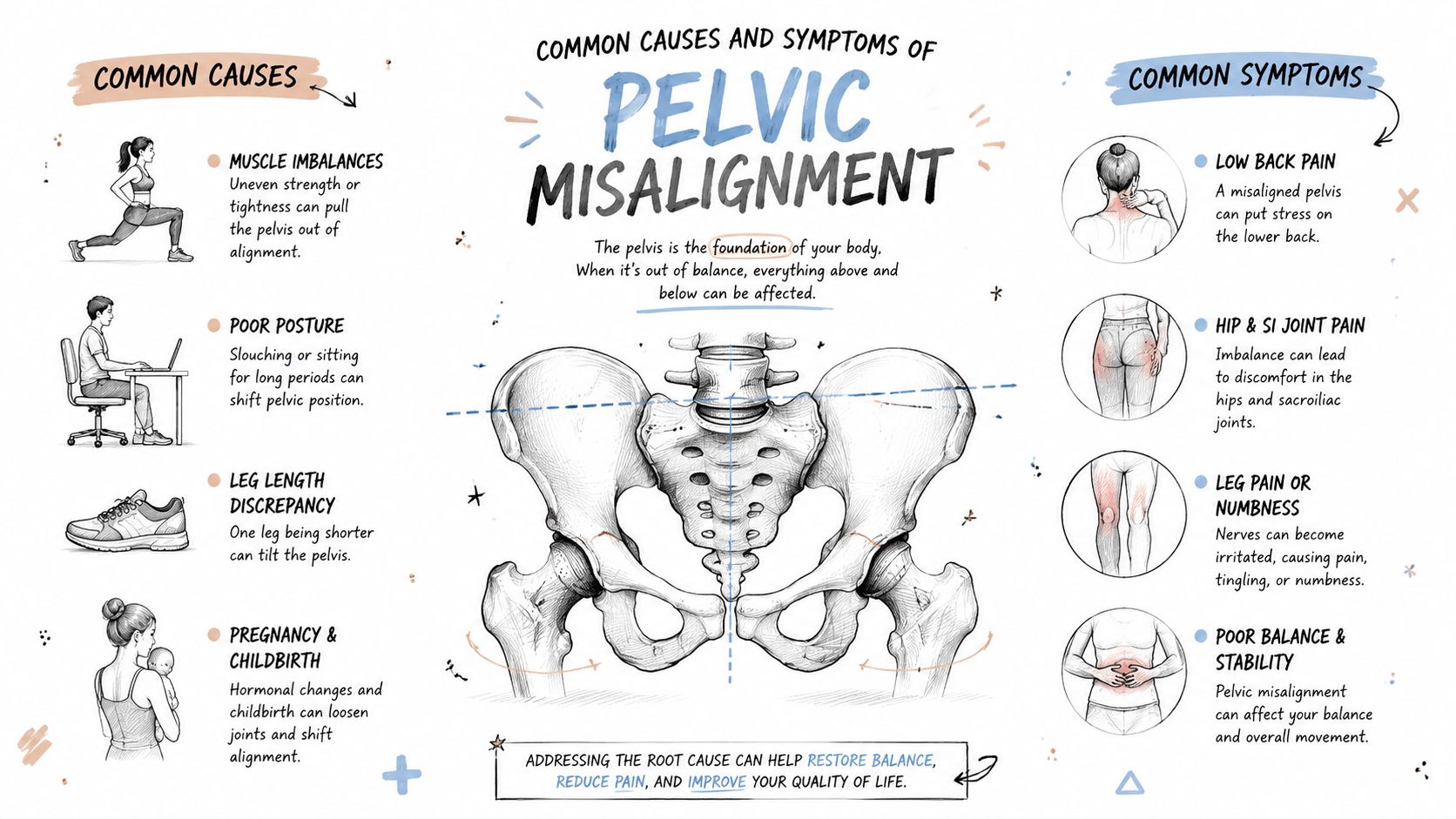
Sciatica-like symptoms deserve particular care. Buttock or leg pain may reflect irritation from the lumbar spine, but it can also involve the hip or surrounding tissues. If symptoms include numbness, weakness, or persistent radiating pain, a clinician should assess the neurological pattern instead of assuming the pelvis is the source. This guide to whether a chiropractor can help sciatic nerve pain can help patients understand why the same symptom may require different treatment plans.
The important pattern is the relationship between activity and symptoms. Pain with walking, sitting, rolling in bed, bending, lifting, or single-leg loading gives more useful information than the appearance of your hip bones in a mirror.
A sound assessment starts with your history, not a quick look at whether one hip seems higher. The clinician should ask when symptoms began, what aggravates them, whether pain travels, how the problem affects sleep and activity, and whether an injury, pregnancy, surgery, or medical condition changed the pattern.
First, the clinician screens for risk. Questions about weakness, altered sensation, bowel or bladder changes, fever, unexplained illness, significant trauma, and other warning signs help determine whether conservative musculoskeletal care is appropriate.
Next, the examination tests function. You may be asked to walk, hinge, squat, step, rotate, balance, or move the hip and lumbar spine. The clinician may use symptom provocation tests to see whether a specific movement reproduces your familiar pain. Neurological checks can help distinguish a local pelvic complaint from a lumbar nerve problem.
Then, the clinician compares findings. Palpation can identify tenderness, muscle guarding, and the location of pain, but it shouldn't be treated as a stand-alone proof of pelvic rotation. A 2004 systematic review found that palpation for pain was the only method with consistently acceptable results among the tests examined, while spinal motion palpation showed poor reliability and SI-joint motion palpation was only slightly reliable. Review the evidence on chiropractic testing of the lumbo-pelvic spine
A quality examination asks whether the finding changes the treatment decision. If a landmark check doesn't alter your plan, it shouldn't carry the whole diagnosis.
Imaging isn't automatically necessary for every episode of pelvic-region pain. It becomes more relevant when the history and examination suggest fracture, significant trauma, disc pathology, progressive neurological change, inflammatory disease, structural hip pathology, or symptoms that aren't following a typical mechanical pattern.
A responsible chiropractor may recommend X-ray or MRI referral, coordinate with a physician, or refer to another specialist when the problem falls outside conservative chiropractic care. The purpose isn't to prove that the pelvis is “crooked.” It's to identify or exclude conditions that would change management.
Your assessment should end with a working explanation, measurable goals, and a plan to reassess. If the only conclusion is “one side is out,” without discussing function, differential diagnosis, and response to care, the evaluation is incomplete.
An adjustment is a tool, not a complete pelvic rehabilitation program. Depending on the examination, care may include a targeted chiropractic adjustment, mobilization, soft-tissue treatment, or a combination designed to improve motion and reduce sensitivity. The technique should match the patient's condition, tolerance, and goals.
A 2016 clinical practice guideline concluded that the strongest manual-therapy evidence for chiropractic management of low back pain disorders supports high-velocity, low-amplitude techniques and mobilization methods such as flexion-distraction. Read the clinical practice guideline on chiropractic management of low back pain
That doesn't mean every patient needs a high-velocity technique. Some people respond better to gentler mobilization, decompression, soft-tissue work, or exercise-led care. The right question is whether the intervention improves a meaningful outcome, such as walking, sitting, lifting, sleep, or tolerance for sport.
| Therapy | Primary target | Best for |
|---|---|---|
| Chiropractic adjustment | Joint motion and pain modulation | Mechanical low-back, hip, or pelvic-region restrictions |
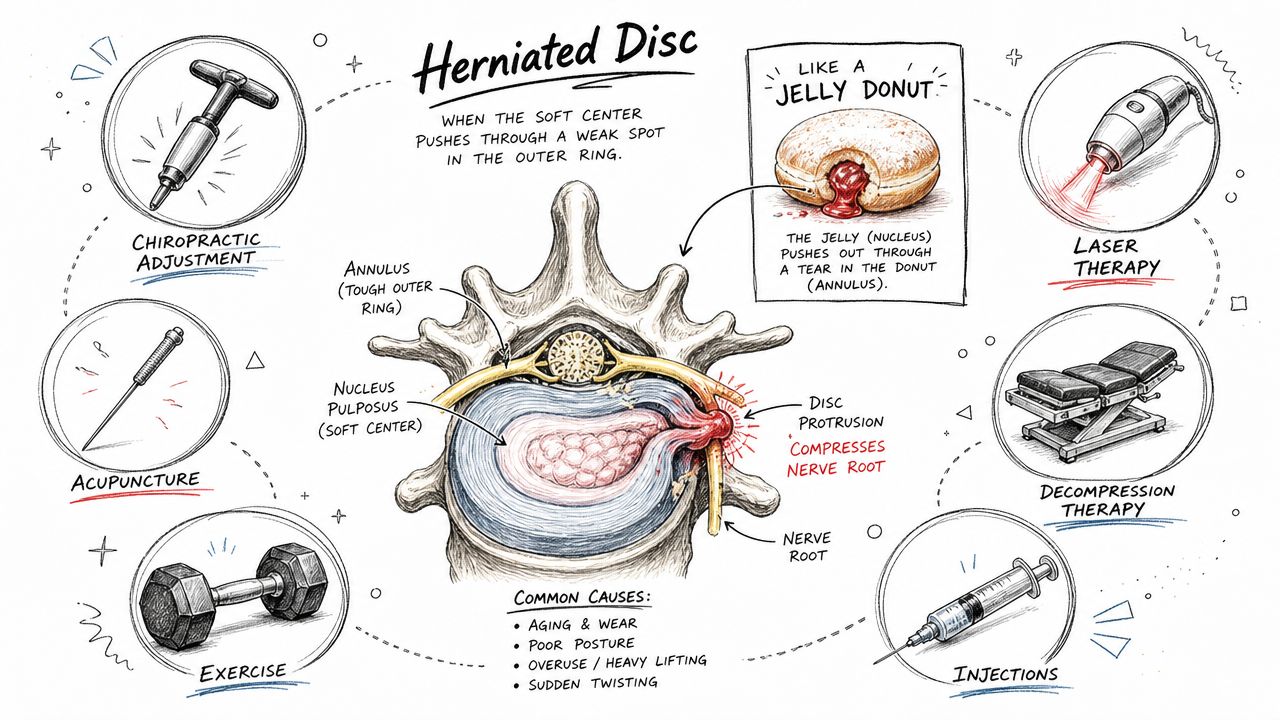
| Spinal Decompression with the DRX 9000 | Conservative support for selected disc-related conditions | Disc-related back pain, herniation, or sciatica patterns after appropriate assessment |
| SoftWave Therapy | Tissue stimulation and recovery support | Soft-tissue sensitivity and rehabilitation support |
| MLS Laser Therapy | Local tissue recovery and inflammation management | Selected painful soft-tissue or joint presentations |
| Massage Therapy | Muscle tone and soft-tissue dysfunction | Guarding, muscular tension, and movement preparation |
| Mobility Therapy | Range of motion and movement quality | Hip, lumbar, and pelvic movement restrictions |
| Rehabilitation Exercise | Strength, coordination, and load tolerance | Long-term stability and return to activity |
| Acupuncture | Pain modulation and functional support | Patients who benefit from an integrative approach |
For disc-related symptoms, spinal decompression deserves careful patient selection rather than blanket promises. A 2022 study on nonsurgical spinal decompression for subacute lumbar disc herniation concluded that it may be a suitable conservative option and reported clinically meaningful improvements in pain and disability over time. Review the discussion of nonsurgical spinal decompression for disc-related pathology
SoftWave Therapy, MLS Laser Therapy, massage, acupuncture, and muscle stimulation may support symptom reduction or tissue recovery, but they don't replace movement retraining. Personal Exercise Plans, mobility drills, posture work, and rehabilitation exercise help convert short-term relief into improved function. For pelvic pain after treatment, especially in women's health and postpartum settings, this women's health pelvic pain guide offers useful context for recognizing when pelvic-floor or broader rehabilitation input may be appropriate.
Patients can learn more about how an adjustment fits into a broader care plan through this overview of chiropractic adjustment benefits. The central principle remains simple: use manual therapy to help movement, then practice the movement you want to keep.
Conservative care may be reasonable when symptoms behave mechanically, the neurological examination is stable, no serious warning signs are present, and the patient can move safely. In that situation, a clinician may begin with education, activity modification, Chiropractic Care, Adjustment, mobility work, and progressive exercise while monitoring the response.
Imaging or referral becomes more important when the presentation doesn't fit that pattern. The decision should follow the examination, not a routine desire to photograph the pelvis.
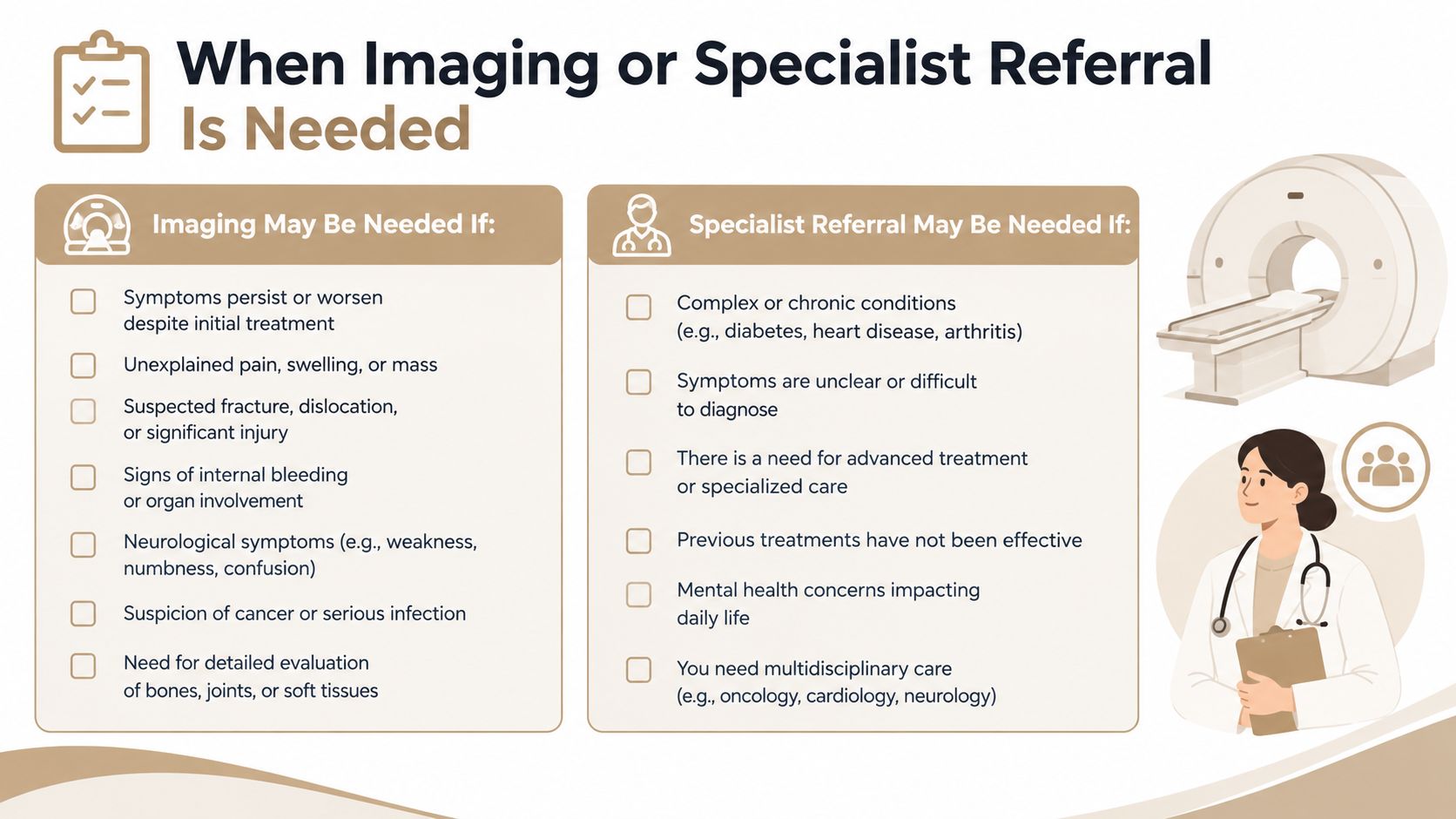
Pelvic-region pain can originate from the lumbar spine, hip joint, SI region, muscles, nerves, or non-musculoskeletal systems. A chiropractor may co-manage with a physician, physical therapist, pelvic-health specialist, orthopedist, or other clinician when the symptoms require expertise beyond the initial examination.
Pregnancy and postpartum pelvic pain deserve particular caution. General low-back-pain pathways commonly exclude pregnancy and postpartum care, so advice designed for the general population shouldn't automatically be applied to someone recovering from childbirth. An examination can consider pelvic girdle symptoms, diastasis-related concerns, pelvic-floor function, and referral needs without reducing everything to “realignment.”
The best referral isn't a failure of chiropractic care. It's part of accurate diagnosis.
A realistic outcome is better function, not a permanently perfect pelvic position. Patients may first notice reduced pain or easier movement. The next goal is to restore useful capacity, such as walking farther, sitting comfortably, lifting with better control, returning to exercise, or tolerating a golf swing without provoking symptoms.
Treatment frequency should reflect the problem and the response, not a fixed promise. Acute pain may require closer follow-up while symptoms settle. Chronic or recurrent problems often need more emphasis on strength, mobility, sleep, workload, and self-management. Preventive visits, when appropriate, should support goals the patient values rather than continue automatically without reassessment.
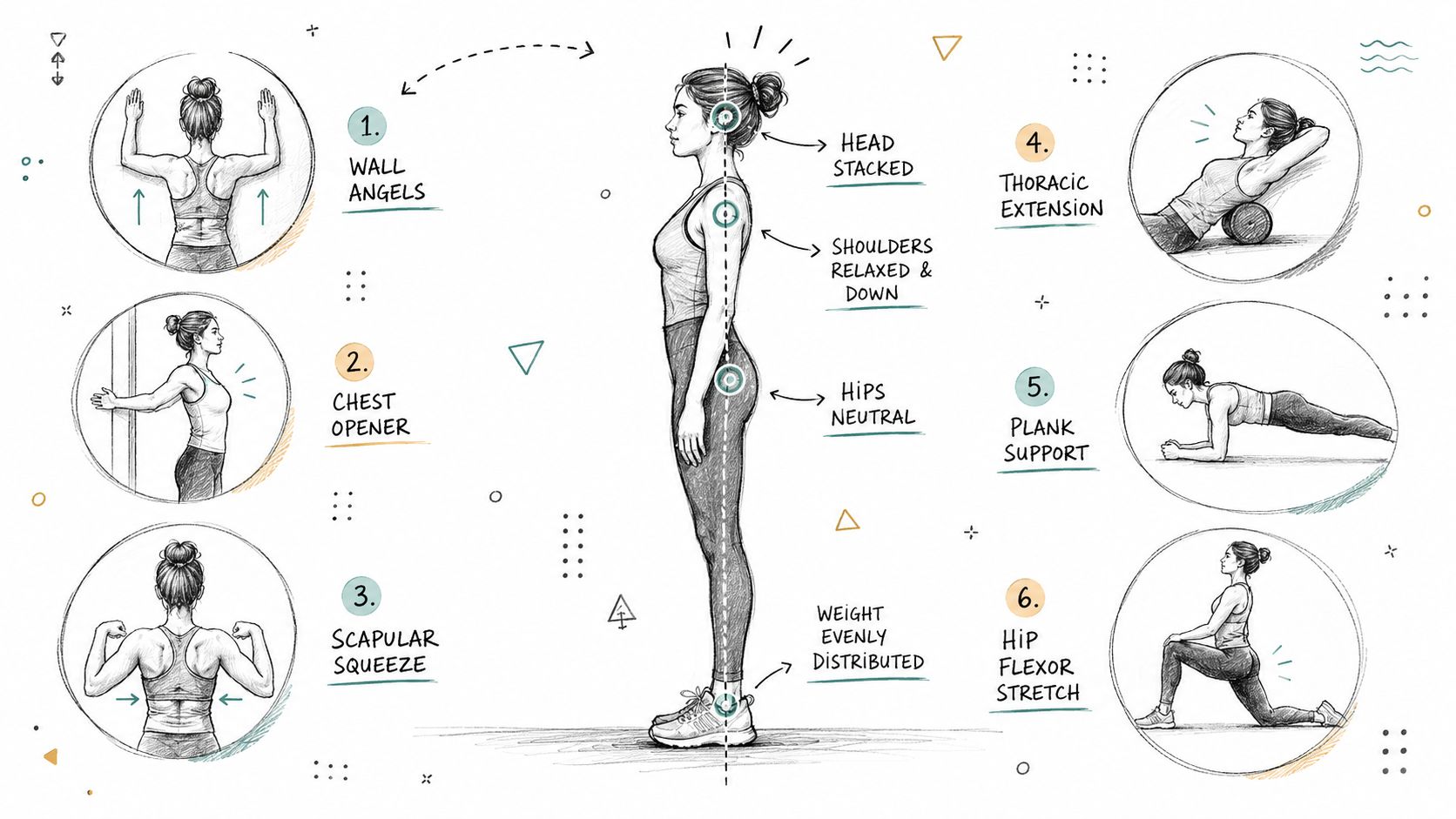
Long-term pelvic stability comes from coordinated control across the hips, trunk, lumbar spine, and legs. A practical plan may include:
Aspen Falls Wellness offers integrated options including Chiropractic Adjustment, Spinal Decompression with the DRX 9000, SoftWave Therapy, MLS Laser Therapy, Massage Therapy, Acupuncture, Muscle Stimulation, Mobility Therapy, and individualized rehabilitation exercise. The value of combining services is practical: each component addresses a different barrier to movement, while ongoing re-evaluation determines whether it's earning a place in the plan.
Success means you can do more with less fear and less irritation. An adjustment may help start that process, but your daily movement and gradually increasing load tolerance are what make the improvement durable.
Visit Aspen Falls Wellness in Salt Lake City or Sandy to schedule an evaluation for pelvic-region pain, sciatica, disc-related symptoms, or movement restrictions. The team can assess whether chiropractic care, DRX 9000 Spinal Decompression, soft-tissue therapy, mobility training, or referral is the appropriate next step for your goals.

Stay updated with the latest chiropractic news and exclusive offers.