Explore evidence-based nerve pain management strategies. Learn how multimodal care, decompression, and targeted therapies relieve neuropathic and radicular
You wake up with a burning hand, a numb foot, or a sharp current traveling from your low back into your leg. Stretching may help for a few minutes, medication may dull the edge, and then the symptoms return when you sit, walk, work, or sleep. That pattern is frustrating, but it also provides useful clinical information.
Effective nerve pain management starts by identifying what is generating the pain. A compressed nerve root from a disc problem or sciatica calls for a different pathway than peripheral nerve damage from diabetes, shingles, surgery, or another condition. The most reliable non-surgical plans combine diagnosis, targeted treatment, movement retraining, and regular reassessment rather than relying on one technique or a long medication list.
A patient may describe the pain as “hot wires” running down one leg. Another may feel burning in both feet, as though the skin has been exposed to heat, even though the feet look normal. Those descriptions sound similar, but they can come from different parts of the nervous system.
The International Association for the Study of Pain defines neuropathic pain as pain caused by a lesion or disease of the somatosensory nervous system. That category includes peripheral nerve problems, while radicular pain usually develops when a nerve root near the spine becomes irritated or compressed. Sciatica is a familiar example. Pain may begin in the low back or buttock and travel along a recognizable path into the leg.
Neuropathic pain is common enough to require a careful treatment strategy. Reviews estimate that it affects 3% to 17% of the general population, with more recent estimates often placing the most realistic global range at about 6.9% to 10% of adults (epidemiology of neuropathic pain). The same review identifies important causes, including painful diabetic neuropathy, post-herpetic neuralgia, and trigeminal neuralgia.
At an integrated musculoskeletal practice, the evaluation doesn't stop at “where does it hurt?” A chiropractor or allied practitioner considers the symptom route, strength, reflexes, sensation, joint motion, muscle tension, posture, injury history, and how the pain changes with loading or unloading.
A person with disc-related nerve root irritation may worsen with certain spinal positions, coughing, or prolonged sitting. Someone with localized peripheral neuropathy may report burning, tingling, or numbness in a more consistent distribution, sometimes without back pain. Mixed pain is also common. A stiff joint, protective muscle guarding, and nerve sensitivity can coexist.
Clinical principle: The treatment should match the tissue or nerve pathway creating the symptoms, not just the body part named by the patient.
That distinction guides whether the next step should be a chiropractic adjustment, spinal decompression, massage therapy, MLS Laser Therapy, SoftWave Therapy, acupuncture, rehabilitation exercise, or referral for medical evaluation. It also prevents a common mistake, treating every shooting pain as if it were the same condition.
Before choosing a therapy, map the pain rather than describing it only as “bad.” The quality, location, triggers, and associated sensory changes help establish the pain phenotype, meaning the pattern that suggests how the nervous system is involved.
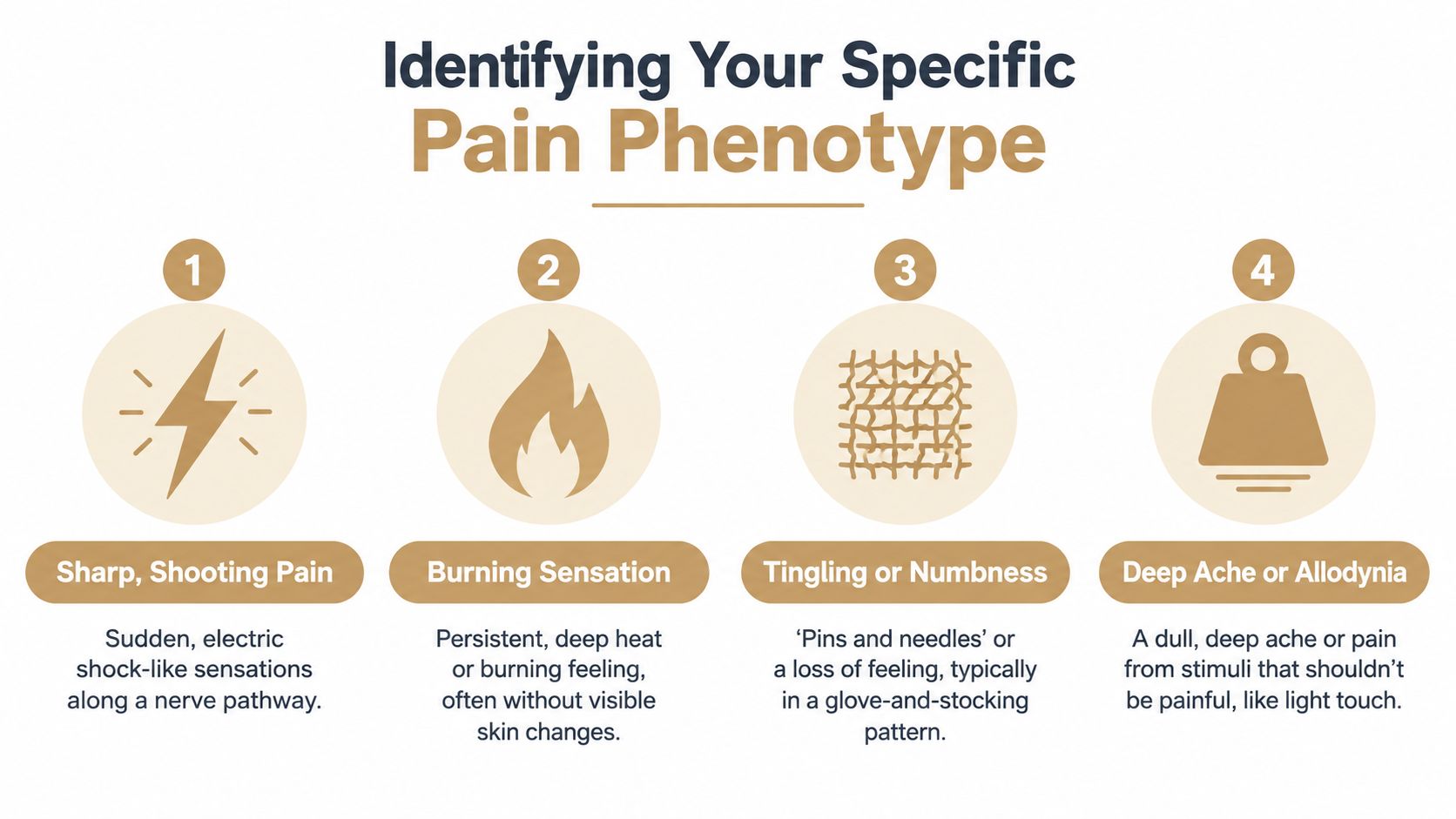
Use these questions to organize what you're feeling:
Is the pain electric or shooting? A sudden shock-like sensation that follows a line from the spine into an arm or leg may suggest radicular involvement. The route matters more than the intensity alone.
Does burning remain in a small area or appear symmetrically? Localized burning may involve a focal peripheral nerve. Burning in both feet or hands can point toward a more diffuse neuropathic pattern, particularly when numbness accompanies it.
Do you feel tingling or loss of sensation? “Pins and needles,” reduced temperature awareness, or a glove-and-stocking distribution deserves clinical assessment. Note whether the symptoms are constant or change with position.
Does light touch hurt? Allodynia means pain from a stimulus that normally shouldn't hurt, such as clothing, bedsheets, or a gentle brush of the skin. This feature supports nerve sensitivity but doesn't identify the cause by itself.
A practical pain diary can include the exact body area, the direction of radiation, the activity that provokes it, the position that eases it, and any weakness or coordination change. Bring that record to an appointment. A clear map often makes the examination more productive.
Clinicians may use structured questionnaires such as the DN4 or the Neuropathic Pain Questionnaire. DN4 includes sensory descriptors and examination findings, and a score of 4 or higher indicates that a neuropathic origin is likely (DN4 assessment tool).
A screening score isn't a complete diagnosis. It doesn't replace a neurological examination, a review of medication and metabolic history, or imaging when imaging is clinically indicated. It helps organize the evidence and distinguish nerve-like symptoms from a straightforward muscle or joint ache.
For a related framework on describing intensity and functional impact, review this pain scale assessment guide. The goal isn't to produce a perfect number. It's to explain whether the pain prevents sleep, limits walking, changes grip, or stops you from doing normal work.
Radicular pain often follows a narrow, recognizable pathway and may be linked with spinal movement or loading. Peripheral neuropathic pain may be more distal, localized, or symmetrical, depending on the affected nerves. Neither pattern should be diagnosed from a single symptom.
Seek an examination if numbness persists, pain repeatedly travels into an arm or leg, or symptoms are accompanied by weakness. That information helps determine whether a mechanical plan, medical workup, or coordinated care is appropriate.
Medication can be useful, but it rarely provides a complete answer. International guidance commonly places gabapentin, pregabalin, duloxetine, and amitriptyline among first-line pharmacologic options. Topical lidocaine or capsaicin may suit focal peripheral pain, while opioids are generally reserved for later-line use because the benefit is lower and the risks are greater (international guidance on neuropathic pain medicines).
The practical process is iterative. A prescriber may begin with one appropriate agent, increase it gradually toward the maximum tolerated dose, and then reassess pain, sleep, function, and adverse effects. NICE guidance recommends trying one first-line option and switching to another if the first is ineffective or poorly tolerated.
A partial response isn't automatically a failure. If a medication improves sleep but doesn't change walking tolerance, that result identifies both a benefit and a limitation. The clinician can decide whether to adjust the dose, switch agents, add a focal treatment, or focus more heavily on mechanical and rehabilitative contributors.
Guideline summaries cite Cochrane reviews showing that only about 3 to 4 out of 10 patients achieve at least a 50% reduction in pain with gabapentin, pregabalin, or duloxetine, compared with 1 to 2 out of 10 receiving placebo (evidence summary for neuropathic pain medications). Those results are meaningful, but they don't support the expectation that a prescription will cure the underlying problem.
Medication decisions also depend on kidney function, age, other prescriptions, fall risk, mood, sleep, and the patient's ability to follow the dosing schedule. Never increase, stop, or combine these medicines without guidance from the prescribing clinician.
A useful expectation: The aim is often better sleep, safer movement, and improved participation in daily life, not instant elimination of every sensation.
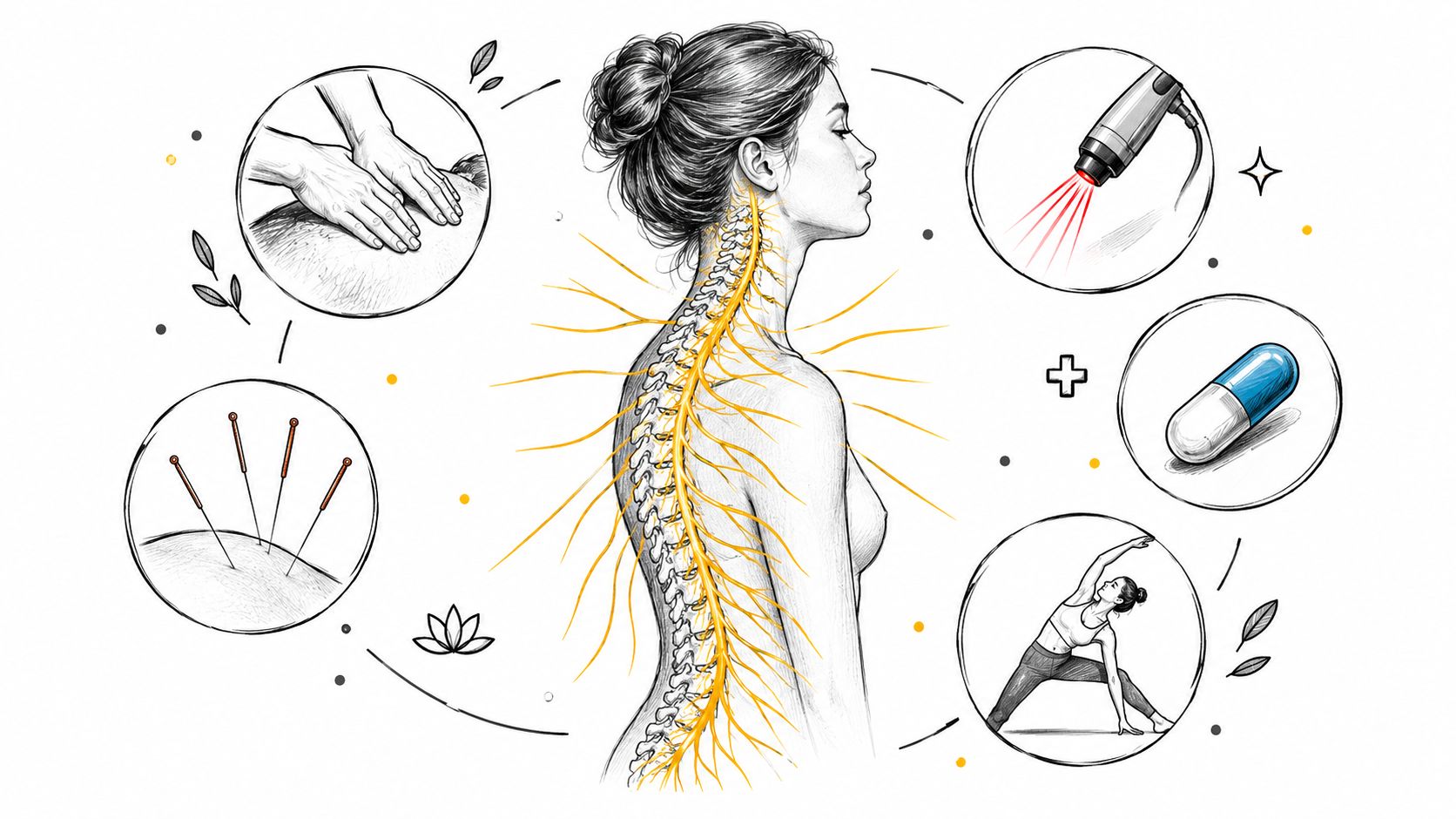
Patients comparing medication-based care with broader strategies may find this overview of solutions for persistent joint pain useful for understanding why symptom management often involves more than a prescription. For focal pain, manual care, laser therapy, acupuncture, exercise, and other non-invasive options may address contributors that medication can't mechanically change.
A recent review notes that newer nonpharmacologic approaches, psychological therapies, lifestyle measures, and neuromodulation are often treated as adjuncts rather than clearly compared in real-world care (review of neuropathic pain treatment approaches). That uncertainty is a reason for individualized sequencing, not a reason to abandon a multimodal plan.
When examination findings suggest that a disc or another spinal structure is irritating a nerve root, treatment has to address more than pain perception. Non-surgical spinal decompression with the DRX 9000 is used within an individualized plan for selected disc-related conditions. The clinician first determines whether the patient's symptoms, examination, and available imaging are consistent with a decompression approach.
The intended mechanical goal is to reduce loading around the involved spinal segment. The system uses controlled, computer-guided distraction, with the clinical rationale of reducing pressure within the disc and improving the environment around an irritated nerve root. It isn't appropriate for every person with back pain, and it shouldn't be presented as a universal replacement for medical diagnosis or surgery.
MLS Laser Therapy and SoftWave Therapy serve different roles. MLS Laser Therapy is used to support reduction of localized inflammation and recovery in suitable soft tissues. SoftWave Therapy is a tissue-stimulation modality used for chronic soft-tissue dysfunction and may be paired with movement and manual treatment when muscle, tendon, or connective-tissue problems are maintaining irritation.
| Therapy Modality | Primary Target | Mechanism of Action |
|---|---|---|
| DRX 9000 spinal decompression | Selected disc-related and nerve-root compression patterns | Controlled spinal distraction intended to reduce mechanical loading around the affected segment |
| MLS Laser Therapy | Localized inflammation and irritated soft tissue | Low-level light-based treatment used to support tissue recovery |
| SoftWave Therapy | Chronic soft-tissue dysfunction | Acoustic tissue stimulation used to support local healing and function |
| Massage Therapy | Muscle guarding and soft-tissue restriction | Manual pressure and movement to reduce tension and improve tissue mobility |
| Muscle Stimulation | Underactive or inhibited muscles | Electrical stimulation to support muscle activation within a broader rehabilitation plan |
Patients looking beyond prescriptions can also review these alternatives to pain medications as a starting point for discussing non-drug care with a qualified clinician. The important question isn't which device sounds most advanced. It's whether the modality addresses the suspected pain generator and fits the patient's tolerance, goals, and examination.
For a closer explanation of the evaluation process, see spinal decompression therapy. A responsible plan includes outcome tracking. If leg strength, walking tolerance, sleep, or pain behavior doesn't improve, the clinician should reconsider the diagnosis and next step rather than continuing the same treatment automatically.
Passive care can reduce the obstacles that prevent movement, but it can't replace movement retraining. A patient may receive relief from a Chiropractic Adjustment or massage, then lose that benefit if the spine, hip, shoulder, or foot still lacks the strength and control needed for daily activity.
Manual treatment may include adjustment, realignment strategies, decompression, and therapeutic massage. The exact approach depends on irritability and diagnosis. Someone with an acute radiating symptom may need gentle positioning and symptom modulation, while another patient may tolerate more direct joint work and soft-tissue treatment.
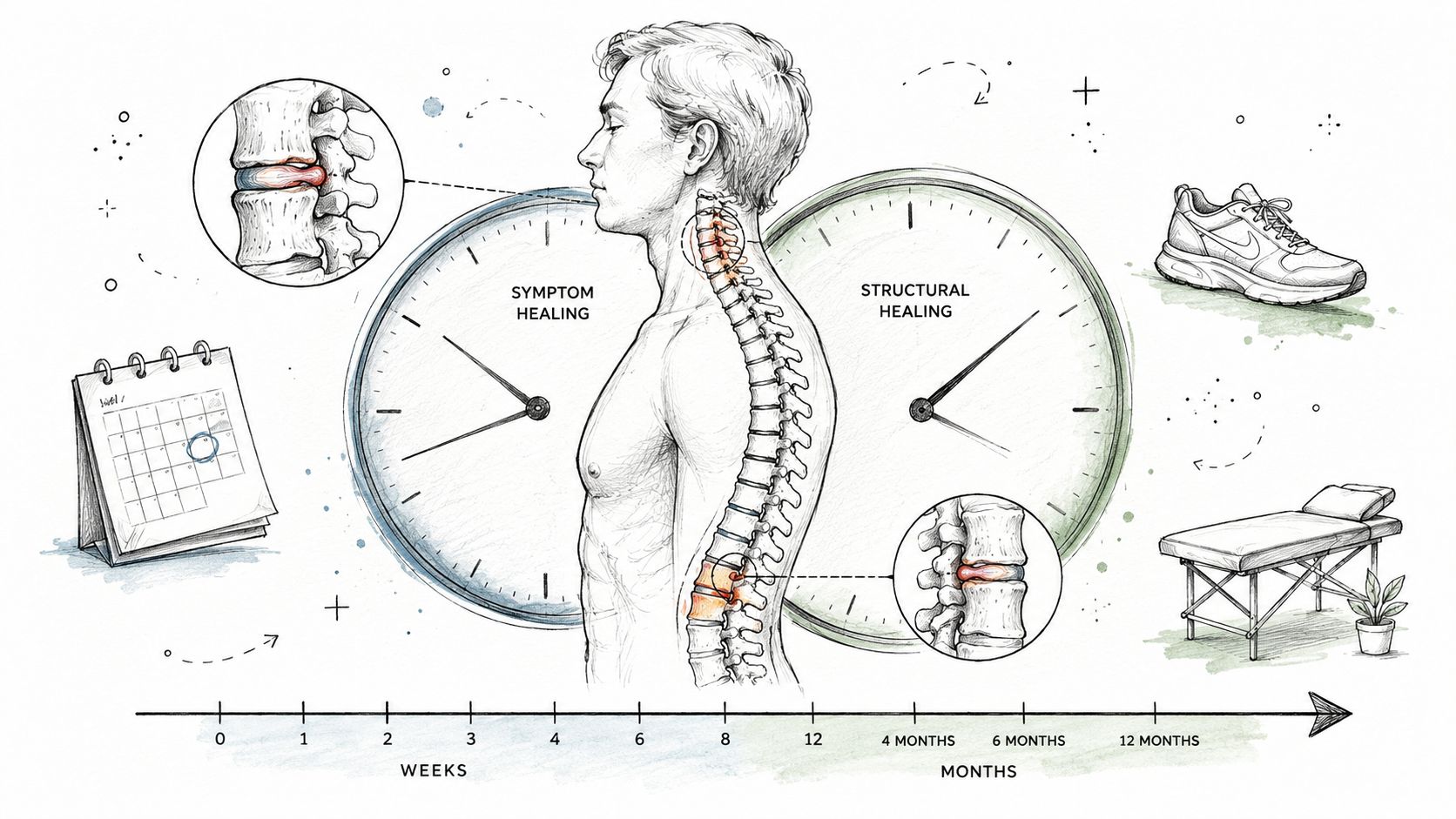
A useful recovery schedule connects in-clinic care with simple tasks at home:
The right exercise may feel different from the right exercise later in recovery. A movement that is too aggressive during a highly irritable phase can increase symptoms, while avoiding all activity can reduce confidence and conditioning. The clinician should use symptom response and function to guide progression.
Instead of asking whether the pain is “better,” track practical markers. Can you stand longer, walk farther, turn your head, grip a tool, climb stairs, or return to a valued hobby? Functional goals make it easier to decide whether adjustments, massage, muscle stimulation, mobility therapy, or rehabilitation exercise are producing useful change.
This therapeutic exercise resource can help explain why active care belongs beside manual treatment. A coordinated plan may use a device or adjustment to reduce symptoms, massage to address guarding, and exercise to teach the body how to maintain improved mechanics.
Recovery is maintained by capacity. Relief matters, but the long-term target is a body that can tolerate ordinary movement with less protective tension and fewer flare-ups.
The assumption that all nerve pain needs the same protocol leads to poor matches between treatment and lifestyle. A golfer with arm symptoms after repeated swings, a driver with post-collision neck pain, and a person with burning feet may all use the word “nerve pain,” but their evaluations and priorities differ.
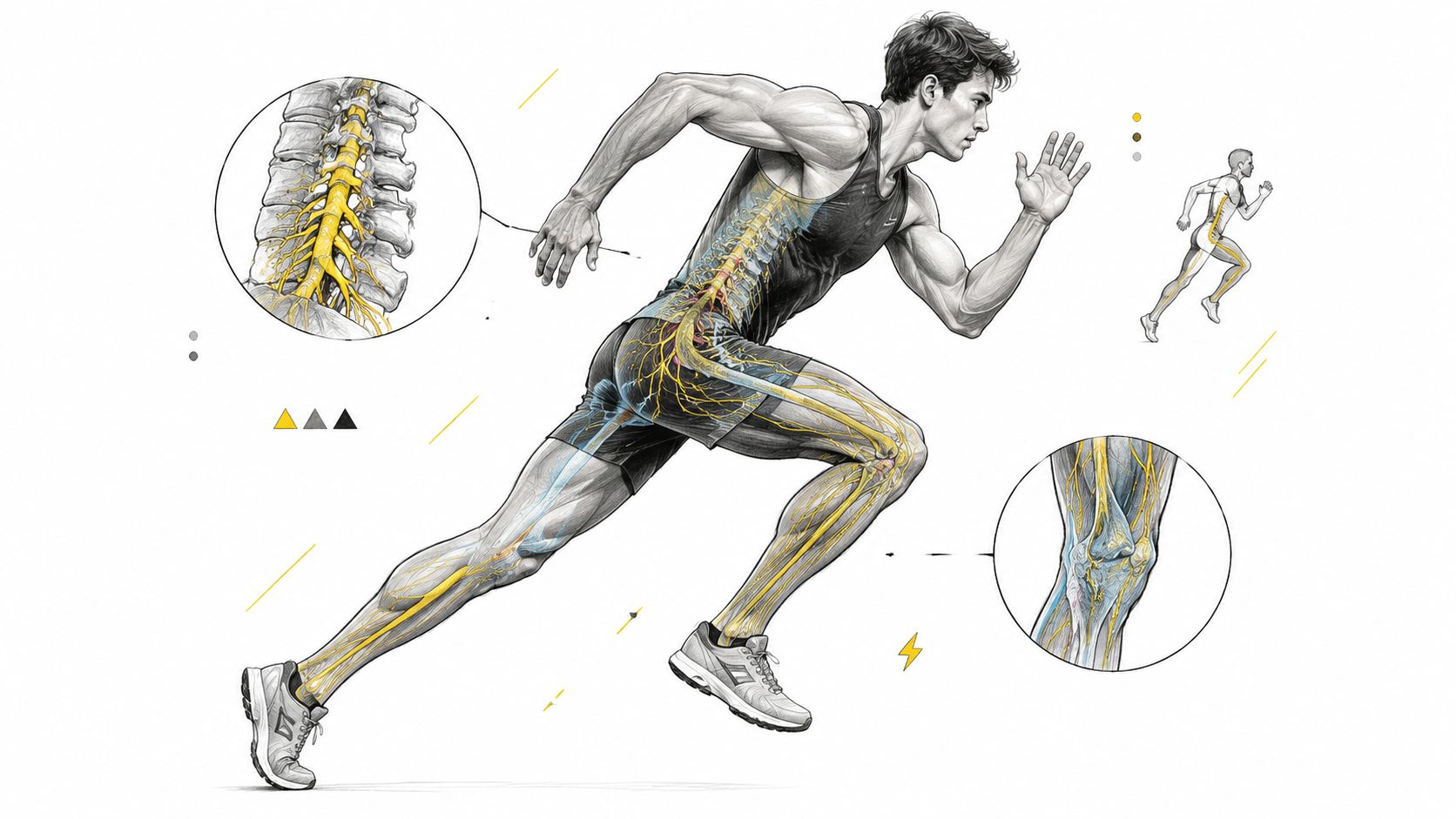
A golfer may need more than low back treatment. A Golf Movement Screening can examine hip rotation, thoracic mobility, balance, loading, and swing mechanics. If restricted movement shifts stress into the lumbar spine or shoulder, a plan may combine Chiropractic Care, mobility therapy, massage, and rehabilitation exercise with gradual return to practice.
The goal isn't just to make the golfer comfortable on the treatment table. It's to identify which movement demands reproduce symptoms and rebuild the capacity required for the course.
After a motor vehicle collision, symptoms may involve the neck, shoulder girdle, upper back, jaw, or arm. Car Accident Treatment should begin with a structured assessment, documentation of neurological and musculoskeletal findings, and monitoring for changes.
Gentle chiropractic care, therapeutic massage, MLS Laser Therapy, muscle stimulation, and corrective exercise may be considered when appropriate. Treatment intensity must match tissue irritability. Persistent radiating symptoms, new weakness, or worsening neurological findings require medical reassessment rather than adding more hands-on care.
A person with chronic burning, sleep disruption, and widespread sensitivity may benefit from a coordinated plan that includes acupuncture, Nutrition and Nutrition Counseling, mobility work, and carefully graded rehabilitation. Acupuncture can be used for pain modulation and functional improvement, but it shouldn't replace evaluation for diabetes, shingles-related pain, medication effects, or other medical causes.
The relevant question is not whether a therapy is “natural” or “advanced.” It's whether the treatment fits the pain phenotype, medical history, physical examination, and functional objective. A plan for sciatica driven by disc-related compression won't be identical to a plan for localized neuropathy or post-accident soft-tissue irritation.
Conservative care works well for many musculoskeletal presentations, but safe nerve pain management includes clear limits. Escalation is appropriate when symptoms suggest serious neurological compromise, when the diagnosis remains uncertain, or when a well-designed plan stalls.
Seek urgent medical attention for loss of bowel or bladder control, numbness in the saddle region, rapidly progressive weakness, severe new neurological changes, or other symptoms that suggest acute spinal nerve compression. These findings shouldn't be managed by delaying care for another routine treatment visit.
Imaging should answer a clinical question. A major review of sciatica supports initial conservative care, patient education, continued daily activity, and avoiding routine imaging for suspected disc herniation unless red flags are present (review of sciatica diagnosis and treatment). NICE guidance recommends considering spinal decompression for sciatica only after non-surgical treatment has failed and radiological findings agree with the symptoms (guidance on low back pain and sciatica).
An X-ray may help evaluate bone alignment or structural changes, while MRI is more useful when clinicians need to assess discs, nerve roots, or other soft tissues. The examination and symptom pattern should determine whether a referral is warranted.
Ask three practical questions:
If progress has stopped, the answer may be a revised diagnosis, medical evaluation, imaging, medication review, or referral to a spine, neurology, or pain specialist. StatPearls describes most sciatica as appropriate for conservative management unless acute spinal nerve compression is present, while listing options such as physical therapy, spinal manipulation, massage, acupuncture, and short-course anti-inflammatory medication (clinical overview of sciatica management).
Aspen Falls Wellness offers coordinated evaluation and non-surgical care, including Chiropractic Adjustment, DRX 9000 spinal decompression, MLS Laser Therapy, SoftWave Therapy, massage, acupuncture, mobility therapy, and rehabilitation exercise. Visit Aspen Falls Wellness to discuss a personalized nerve pain management plan in Salt Lake City or Sandy, Utah, and determine whether conservative care or outside referral is the appropriate next step.

Stay updated with the latest chiropractic news and exclusive offers.