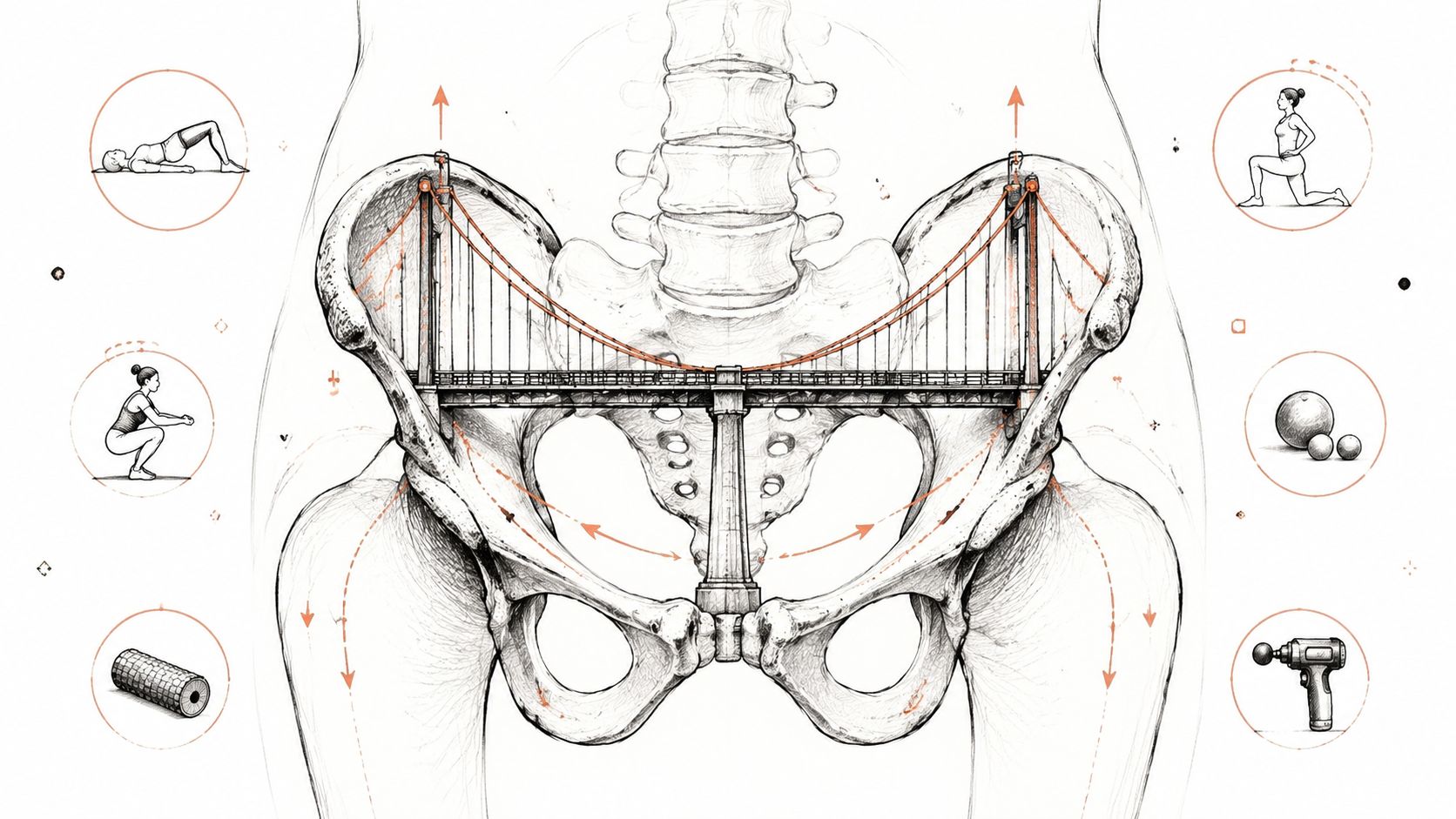
Discover how personalized treatment plans combine assessment, advanced modalities, and ongoing re-evaluation to ease back, neck, and joint pain.
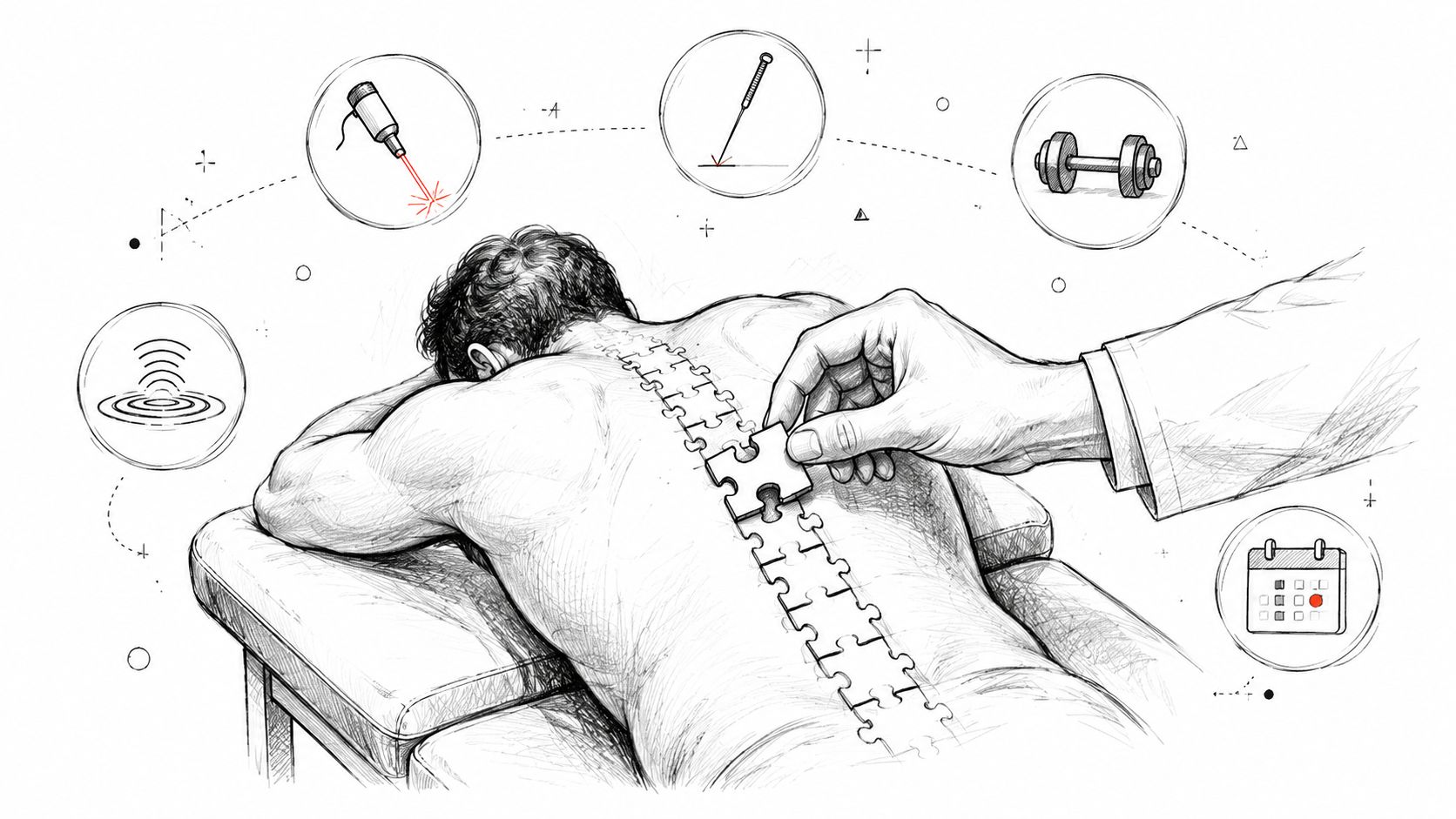



You can feel it in the third month of the same nagging pain. You've already tried the stretching routine, picked up the refill, maybe finished a short round of therapy, and you still can't sleep through the night or move the way you want. That's usually the point when a generic plan stops feeling reassuring and starts feeling random.
A personalized treatment plan changes that experience by making the next step depend on what your body is showing, not just on a diagnosis name. In musculoskeletal care, that often means a closer exam, a clearer sequence of treatments, and a plan that gets checked again instead of being handed out and forgotten.
A lot of patients in Salt Lake City and Sandy reach the same turning point. They've done a few weeks of generic stretches, taken something for pain, maybe gone through a short therapy series, and they still don't have a clear answer for why one movement hurts, why the pain keeps coming back, or why the plan never seemed to change. That frustration doesn't mean nothing was tried. It usually means nothing was sequenced, measured, and adjusted.
That's where personalized treatment plans start to make sense. Instead of repeating the same advice, the clinician asks what's limiting you, what tissue or movement pattern seems involved, and what kind of care fits your real life. The next visit should look different from the last one because the data are different.
For many people, this shift is easier to understand when they already use a training or recovery app that adapts to performance. Even software for personal trainers from Athlemove works on the same basic logic, the plan changes when the user's current capacity changes.
A practical question helps cut through the confusion:
What exactly is being tailored, and how will we know it's working?
That question matters because a plan can look “custom” on paper and still function like a template. Once you know the answer, it becomes much easier to tell whether the care in front of you is built around your body, your goals, and your schedule, or just built around a diagnosis label.
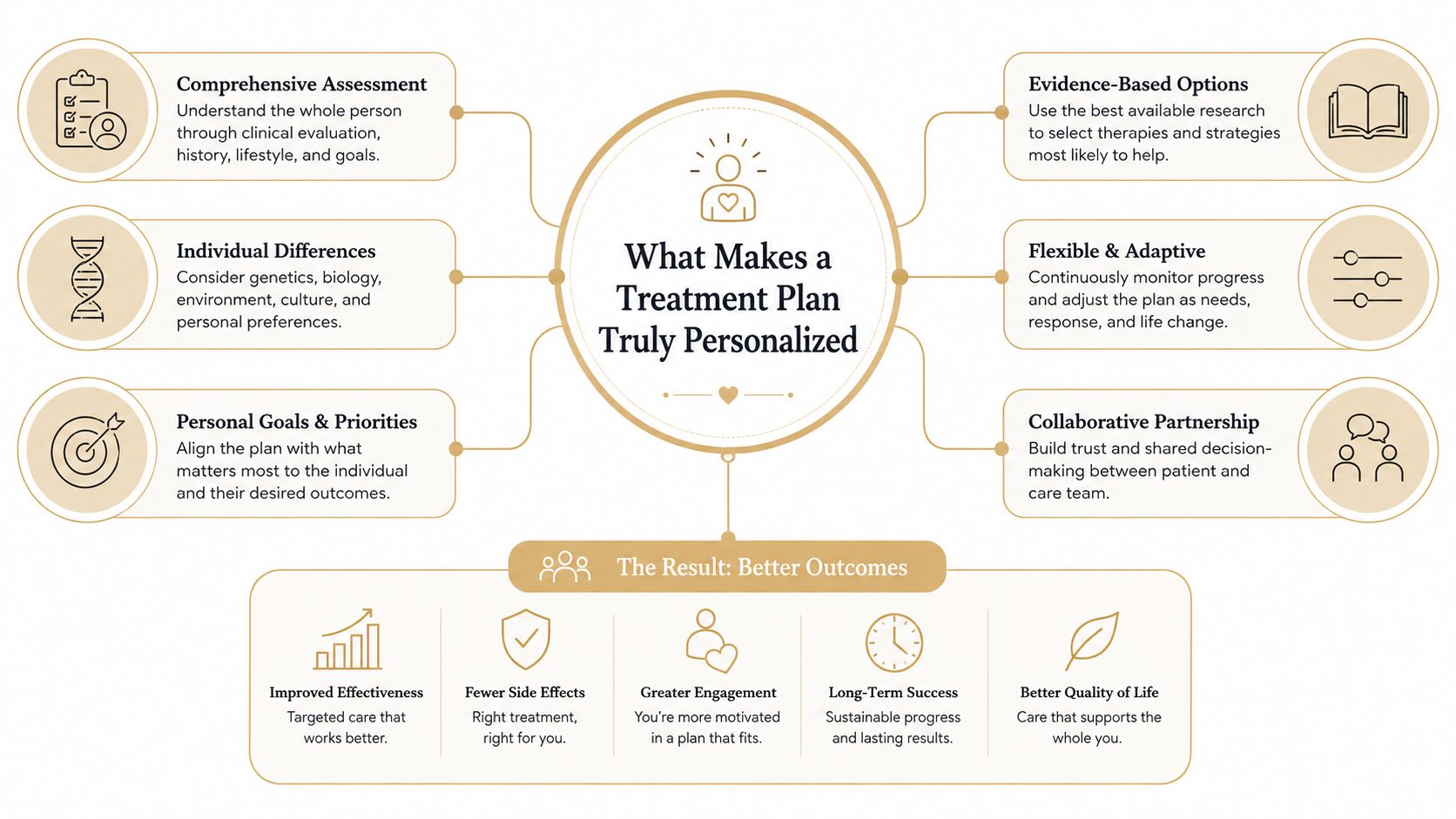
A personalized plan often starts the way a skilled tailor works with a new suit. The clinician measures first, looks at how the fabric hangs, then adjusts the cut to fit the person in front of them. In care, that means the plan is shaped around how you move, what aggravates the problem, and what your body can tolerate.
The clearest way to understand it is through four parts.
A real plan starts with a thorough exam, not a symptom checklist. That baseline includes the patient's history, movement testing, orthopedic findings, and, when needed, imaging referrals. The goal is to identify the pattern, not just the pain location.
That first pass matters because two people can report the same sore spot and still need different care. One may have joint restriction, another may have soft-tissue guarding, and a third may need a different kind of work altogether.
A personalized plan does not place every modality on the table at once. It chooses the order based on what has to change first, whether that is inflammation, joint motion, soft-tissue restriction, nerve irritation, or movement control. That sequencing is what turns a list of services into a plan that can work.
In an integrative clinic, that order may include DRX9000 decompression, MLS laser, acupuncture, and home rehab, but never as isolated add-ons. The clinician uses the exam to decide which part comes first, which part supports the next step, and which part should wait until the body is ready for it. For a broader look at how this kind of care is organized, multidisciplinary pain management at Aspen Falls Wellness shows how different modalities can be arranged around one goal instead of used in separate lanes.
If the take-home work does not fit the patient's schedule, commute, energy level, or insurance limits, it will not hold. A good plan leaves room for what the patient can repeat at home, because recovery happens between visits as much as during them.
That is also where home rehab earns its place. The exercises, pacing advice, and movement changes have to be simple enough to repeat and specific enough to matter. If they are too vague, they get skipped. If they are too complicated, they do not get done.
A plan is not personalized because it sounds individualized. It is personalized because it gets checked again and changed if the body is not responding the way the clinician expected. That checkpoint keeps care from settling into routine.
A useful comparison is the way chambers from Atlanta Hyperbaric Center centers adjustment around the person using them, not around a fixed script. In the same way, a treatment plan should change when the patient's findings change. That may mean revising the exercise dose, shifting the sequence of in-office care, or moving from symptom control to function building once the tissue calms down.
Personalization is a process, not a label.
That is the core idea. A clinic can call something customized, but if the exam, treatment order, homework, and follow-up never change, it is still a template. The diagram illustrating the six key components of a personalized treatment plan and its benefits. helps show how those parts fit together in practice.
The treatments in an integrative plan aren't random add-ons. Each one is meant to change a different part of the problem, and the order matters. The most useful way to think about them is by what they do in the body, not by whether they sound impressive on a service list.
A chiropractic adjustment is often the mechanical starting point when joint motion is restricted. Spinal decompression with the DRX 9000 becomes more relevant when the findings suggest disc-related loading or nerve irritation, because the goal is to reduce aggravating pressure while the spine is in a controlled setup. MLS Laser Therapy and SoftWave Therapy are used when the clinician wants to support tissue recovery and calm an irritable area without adding more strain.
Acupuncture can fit when pain modulation and function need support at the same time. Massage Therapy is usually best when soft-tissue guarding, tightness, or protective spasm is keeping the rest of the plan from working. Those modalities are often paired because one treatment rarely addresses every layer of the problem.
The next layer is what keeps the gains from slipping away. Mobility Therapy, Rehabilitation Exercise, Personal Exercise Plans, and posture retraining help the patient move differently, not just feel temporarily better. Nutrition and Nutrition Counseling can support recovery when inflammation, energy, body composition, or healing demands are part of the picture.
| Modality | Primary Role | Typical Use Case |
|---|---|---|
| Chiropractic adjustment | Restore motion and reduce mechanical irritation | Joint restriction, stiffness, movement pain |
| DRX 9000 decompression | Reduce disc-related loading | Disc symptoms, sciatica patterns, nerve irritation |
| MLS Laser Therapy | Support recovery and calm inflammation | Irritable soft tissue, post-flare pain |
| SoftWave Therapy | Tissue stimulation and healing support | Persistent soft-tissue irritation, slower recovery |
| Acupuncture | Pain modulation and functional support | Pain that is limiting movement or sleep |
| Massage Therapy | Reduce soft-tissue restriction | Guarding, spasm, limited ease of motion |
| Rehab exercise and mobility therapy | Improve movement quality and stability | Recurrent pain, posture issues, return to activity |
| Nutrition counseling | Support recovery habits | Healing, energy, and long-term self-management |
For a deeper look at how a multisystem approach fits together, the internal guide on multidisciplinary pain management is a useful companion.
A helpful way to think about the sequence is this. Mechanical care can open the door, tissue-focused care can lower irritation, and rehab keeps the door from swinging shut again.
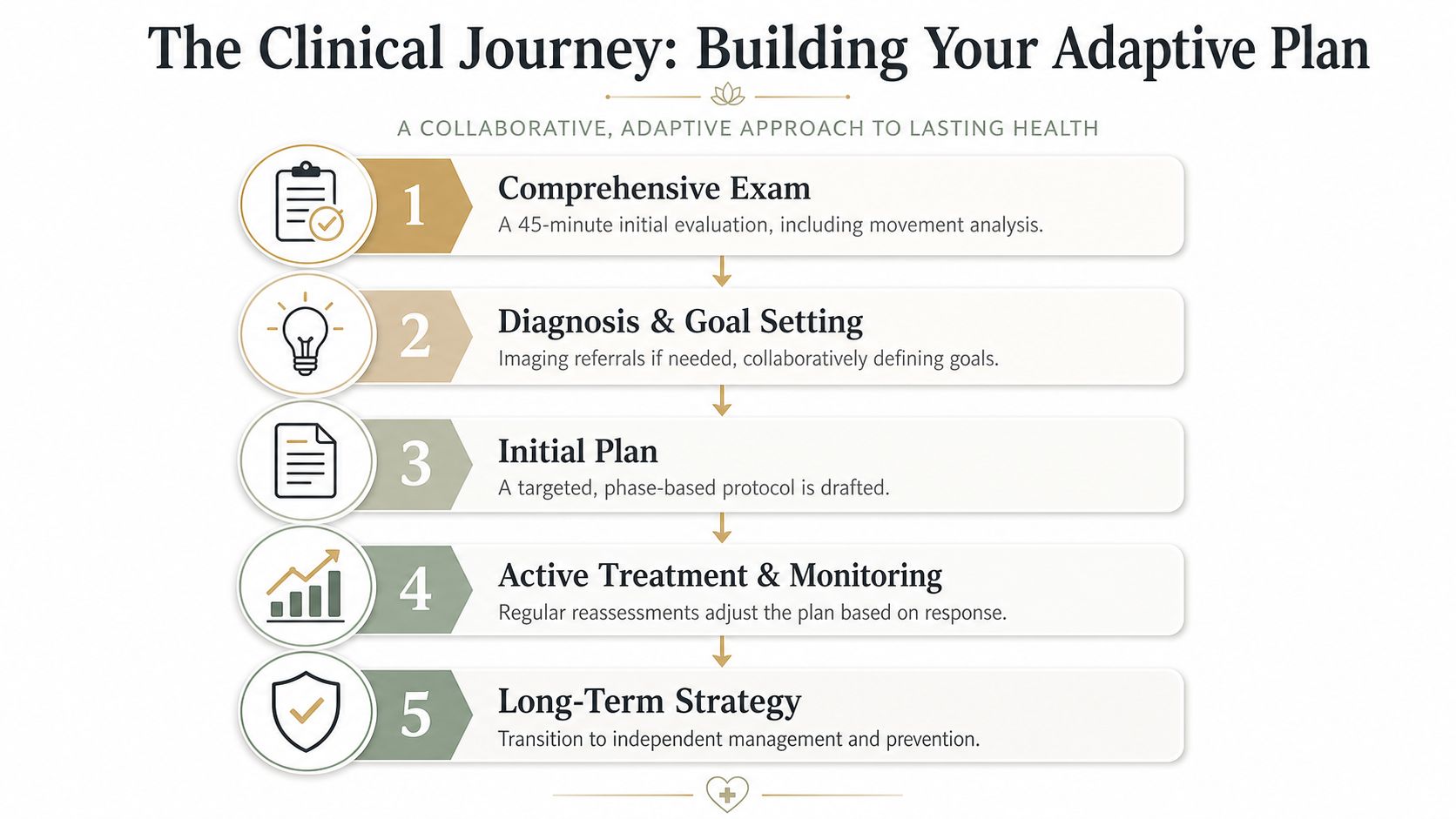
A new patient often starts with a conversation that feels closer to a careful investigation than a quick symptom check. The clinician looks at how the pain began, what eases it, what aggravates it, which tissues may be involved, and whether imaging would help clarify the picture. That is how a real care map starts, because the goal is to understand the problem before choosing the sequence of care.
The first visit also sets the tone for the rest of the plan. If the complaint sounds like disc-related pain, the clinician may want to review whether decompression belongs early in the sequence, or whether another approach should come first. If the pattern is more driven by muscle guarding, joint restriction, or irritation that settles slowly, the first steps may look different. A good plan is built from findings, not from a preset package.
A treatment plan becomes useful only when it connects to what the patient wants back in daily life. Sleeping through the night matters. Lifting a child matters. Returning to golf matters. Sitting through a workday without sending pain down the leg matters. Those goals help organize the order of care, because they show what improvement should look like outside the exam room.
They also help the clinician choose what to measure first. If pain is the loudest problem, the plan may start by calming symptoms enough to allow better movement. If function is the bigger issue, the early emphasis may be on restoring motion, tolerance, and confidence with basic activity. The details change from person to person, but the guiding question stays the same, what needs to work again in real life?
Most individualized plans move in stages, much like tuning an instrument before a performance. The opening phase often focuses on lowering pain and reducing mechanical strain, so the body is calm enough to respond. In that window, a patient might receive spinal decompression, MLS laser, acupuncture, or other hands-on care, depending on the pattern that showed up in the exam.
The next phase usually shifts toward mobility work, rehab exercise, and better load tolerance. That is where home rehab starts to matter more, because the clinic visit can set the direction, but the body changes through repeated practice between visits. The final phase is about self-management, so the patient knows what to keep doing when the flare settles down and how to respond if symptoms begin to return.
Plans do not stay fixed. If the pattern changes, the plan changes with it. A sequence that helps early on may become too passive, too aggressive, or incomplete a few visits later. That is why re-evaluation matters so much, because it tells the clinician whether to continue, adjust the dose, swap modalities, or refer out when the presentation calls for a different kind of care.
Practical rule: if nobody is measuring change, nobody can tell when to pivot.
That checkpoint is what gives a treatment plan its shape over time. The clinician reviews what improved, what stalled, and what still needs attention, then decides whether the current sequence should continue or be adjusted. Some patients need the order changed, for example decompression before exercise, or acupuncture alongside rehab when pain sensitivity is still high. Others need a different balance of clinic care and home work. A plan that cannot change is only a schedule, and a schedule is not the same thing as individualized care.
Three common presentations show how the same framework can produce very different care sequences. The diagnosis alone doesn't determine the plan, the pattern of symptoms, tissue findings, and functional limits do.
This plan often starts with spinal decompression with the DRX 9000 as the central mechanical treatment, because the disc and nerve pattern need focused unloading. Adjustments may be added when joint mechanics are part of the problem, and MLS Laser Therapy can support the early phase when inflammation is keeping pain high. Home work usually stays simple at first, then progresses into directional preference drills, the kind of movement work many patients recognize from McKenzie-style care. For more detail on conservative options for this presentation, the internal resource on disc herniation treatment options fits well here.
This pattern usually leans on cervical adjustment, soft-tissue work, posture retraining, and mobility therapy. Acupuncture can sit beside that work when headache frequency, muscle tension, or pain sensitivity are making the neck harder to settle. The goal is less about a single dramatic change and more about making head position, desk time, and sleep less aggravating over repeat visits.
A post-collision plan has to begin with careful documentation and a conservative, structured exam. Manual therapy, progressive rehab, and milestone-based progression usually matter more than any single machine or isolated technique. If the soft tissue is flared and movement is guarded, the clinician may use massage, gentle mobility work, and device-based care before loading the spine harder.
Patients sometimes ask how this compares with broad chronic care models. The closest parallel is a chronic disease management program that changes intensity based on response, and a useful background reference is chronic disease management programs, because the logic of staged follow-up is similar even when the condition isn't musculoskeletal.
That structure is what keeps the plan from becoming a loose collection of therapies.
Patients usually want one answer first. How long will this take? The honest answer is that the timeline depends on whether the problem is acute, long-standing, or post-injury, and on how well the plan matches the findings. A plan that fits the condition can move faster than one that just repeats the same care.
In the early phase, many people notice some change in pain, sleep, or movement tolerance before they notice any dramatic structural shift. That matters because progress isn't only a lower pain score, it can also be less guarding, better walking tolerance, or fewer flare-ups after basic activity. By the re-evaluation point, the clinician looks for better motion, stronger function, and a clearer response to the chosen treatments.
Progress is usually followed with a mix of pain ratings, range-of-motion checks, and functional benchmarks tied to the patient's own goal. If the story and the numbers don't match, or if the body stops responding, the plan needs adjustment rather than more of the same. Re-imaging can be part of that decision when the clinical picture changes or doesn't line up with the expected recovery path.
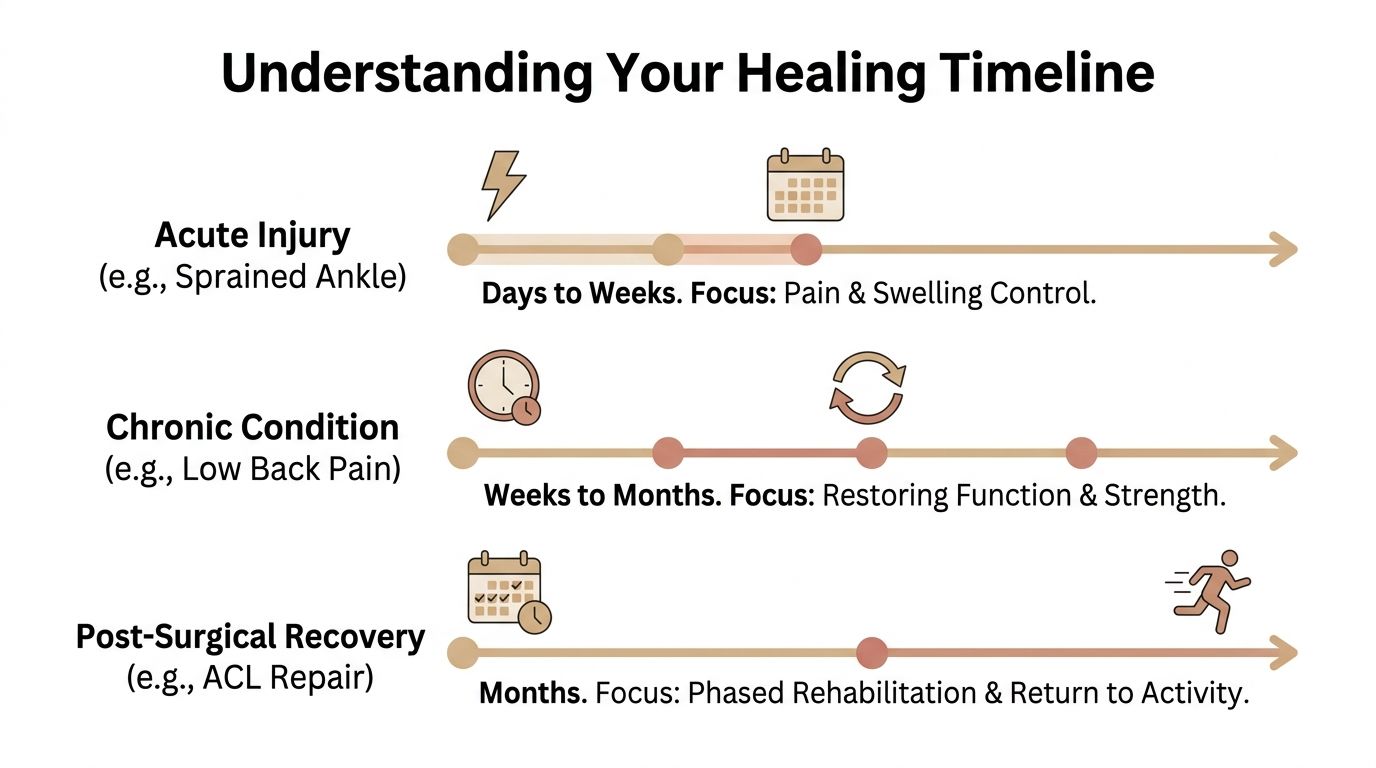
The useful mindset is simple. Early change should make daily life less reactive. Later change should make daily life more stable. If neither happens, the plan needs to be rethought, not defended.
The practical side matters because a plan only works if you can follow it. Aspen Falls Wellness participates with plans including Aetna, BCBS, Cigna, Humana, GEHA, and Motiv Health, but benefits and visit limits can vary, so verification before the first appointment is essential. Coverage doesn't answer every question about frequency, copays, or specific modalities, so it's better to confirm those details early than to guess.
What to bring is straightforward. Bring any recent imaging, a medication list if you have one, details about prior treatment, and a short note about what you most want to get back to doing. If you've been injured in a car accident or you already know one movement triggers symptoms, write that down before the visit so you don't forget it in the room.
The first consultation is the best time to ask direct questions. If the answers are vague, that's a sign to slow down.
For a practical look at how cost and visit planning are discussed, the internal guide on low cost chiropractor is worth keeping handy. The key is to compare time, travel, and cost against the chance of getting a plan that is customized to your case.
If a modality isn't producing change, the plan should not just keep repeating it. The clinician should look at whether the diagnosis was incomplete, whether the sequence needs to shift, or whether a different provider needs to step in. Flare-ups between visits can happen, especially early on, and the right response is usually to report them quickly so the plan can be modified instead of guessed at.
If progress stalls around the four-to-six-week mark, that's the moment to ask whether the current approach still matches the pattern. Sometimes the plan needs a different modality mix. Sometimes it needs a narrower focus. Sometimes the clearest answer is referral to a specialist outside the clinic.
Personalized care only works when it fits real life, not an ideal schedule. Insurance limits, travel time, work demands, and recovery burden all affect whether the plan can succeed, so those constraints belong in the conversation from the start.
If you're ready to take the next step, request a full exam, bring any imaging you already have, and ask the questions above before you commit. That's the simplest way to find out whether the plan in front of you is built for you.
Aspen Falls Wellness offers initial exams, non-surgical spinal decompression with the DRX 9000, MLS laser therapy, acupuncture, massage therapy, mobility therapy, and home rehab plans for people dealing with spine, joint, and soft-tissue pain. If you want a care plan that gets re-evaluated and adjusted instead of repeated on autopilot, visit Aspen Falls Wellness and ask how their integrative approach can be built around your goals.

Stay updated with the latest chiropractic news and exclusive offers.