Discover how does softwave therapy work at the cellular level, what conditions it treats best, and what to expect during sessions at Aspen Falls Wellness.
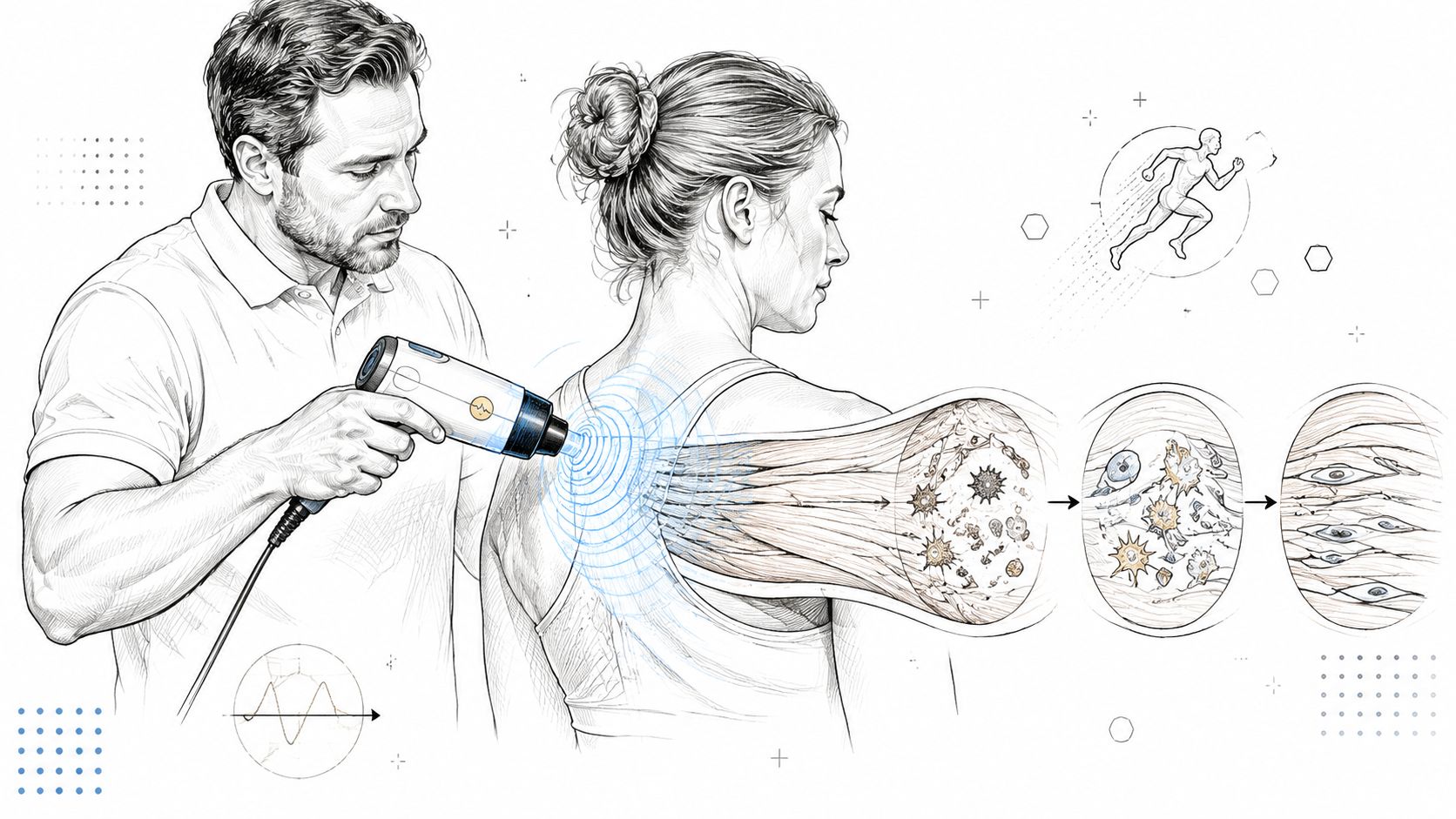


Most explanations of how SoftWave therapy works stop at “it breaks up scar tissue.” That description is incomplete and can give patients the wrong expectation. SoftWave therapy uses extracorporeal shock wave therapy, or ESWT, to deliver acoustic mechanical waves into tissue. Those waves can create cavitation, alter cell-membrane behavior, and activate biological signaling that influences circulation, inflammation, pain sensitivity, and repair.
The more accurate picture is a controlled stimulus that encourages cells to change their behavior. It isn't a tool that destroys damaged tissue. A 2020 review describes ESWT's primary therapeutic mechanism as biological rather than purely mechanical, with cavitation and cellular signaling contributing to pain relief and tissue regeneration (review of ESWT mechanisms). The important question, then, isn't only whether the treatment feels strong. It's whether the selected treatment parameters and the diagnosis make biological sense for you.
The “scar tissue breakdown” explanation probably became popular because shock-wave technology has a history of mechanically changing tissue. Modern medicine first used shock waves for kidney-stone lithotripsy. On December 1984, the U.S. Food and Drug Administration granted marketing approval for the first external shock-wave lithotripter, and by January 8, 2016, the FDA listed a PMA decision for a shock-wave pain-relief device, illustrating how the technology expanded from stone fragmentation into musculoskeletal care (FDA device history).
Musculoskeletal SoftWave therapy isn't intended to pulverize a tendon, ligament, or muscle. Acoustic waves create physical effects as they travel through tissue, including absorption, reflection, refraction, transmission, and cavitation. Cavitation refers to the formation and collapse of tiny bubbles in a fluid environment. At the cellular level, these forces can increase cell-membrane permeability and trigger mechanotransduction, the process by which cells convert a physical stimulus into biochemical instructions.
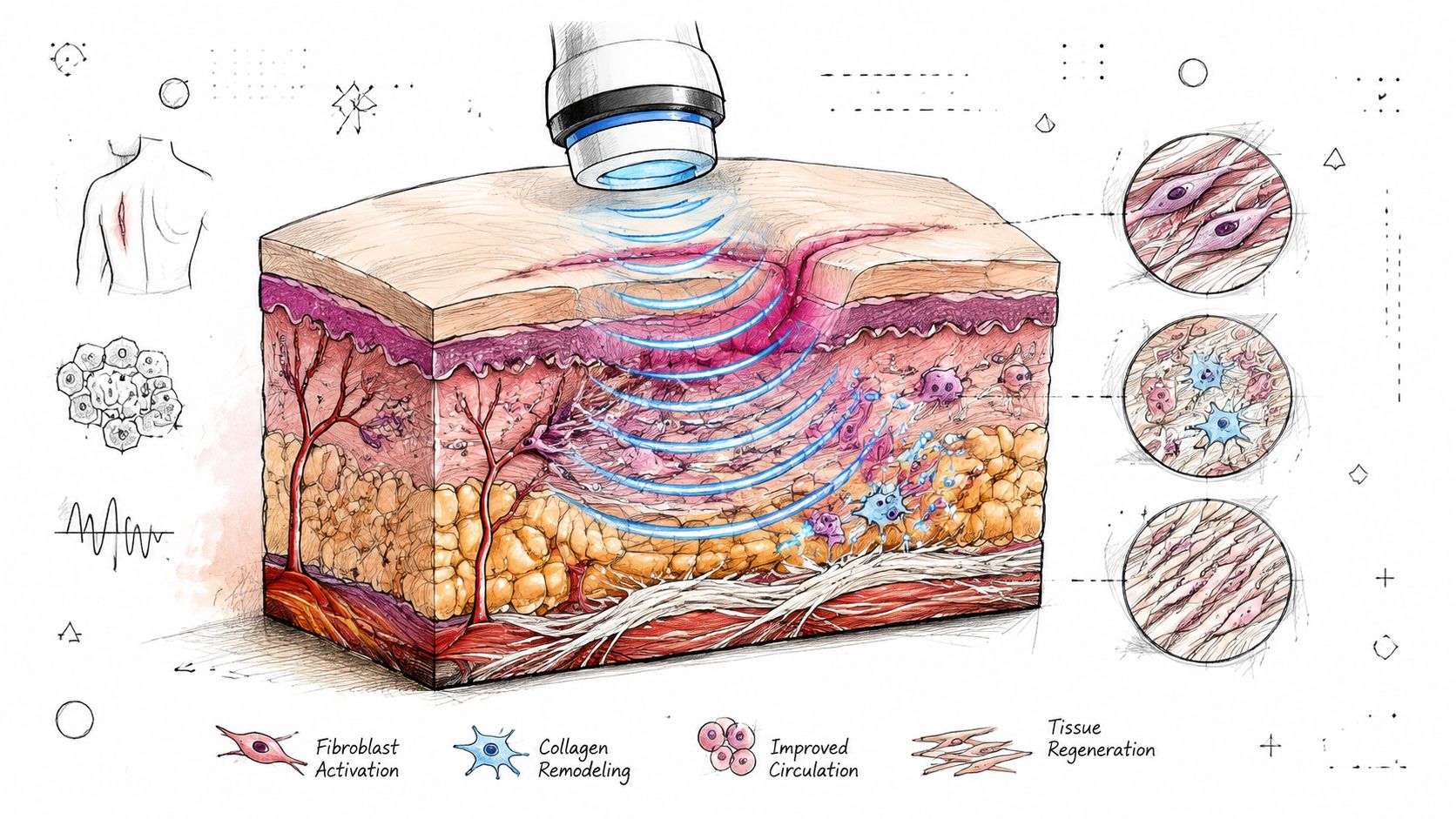
Think of a cell as a responsive workshop rather than an inert building block. When acoustic energy changes the tension or movement around the cell membrane, the cell can detect that mechanical input. It may then alter ion-channel activity, calcium signaling, ATP release, and gene or protein activity. Those changes can influence how nearby cells behave and how the tissue organizes repair.
This helps explain why the treatment may affect more than the point that feels painful. ESWT's reported biological effects include improved microcirculation, new blood-vessel formation, immunomodulation, and stem-cell recruitment (mechanism review). In wound and soft-tissue research, ESWT has also been associated with angiogenesis-related factors, collagen production, fibroblast proliferation, and neovascularization, all of which are concrete repair processes rather than vague “healing energy” (wound and soft-tissue review).
Practical rule: A treatment that stimulates biology can't guarantee the same result in every diagnosis. The tissue, dose, stage of injury, and rehabilitation plan still matter.
If you're comparing sound-based treatments, it also helps to distinguish acoustic-wave therapy from treatments designed primarily for superficial scar management. This overview of ultrasound therapy for scar tissue treatment can help clarify that different devices use different forms of energy and aim at different tissue responses.
Researchers commonly describe ESWT's effects as a sequence of four reaction phases. These phases overlap biologically, but the sequence offers a useful way to understand how a physical pulse can lead to a longer-term tissue response.
The process begins when pressure waves transmit energy through the skin and into the treatment area. Tissue interfaces respond differently depending on their composition, so energy can be absorbed, reflected, refracted, or transmitted. Cavitation may also occur, creating a brief mechanical event that acts as the first signal to local cells.
Patients may feel tapping, pulsing, or focused sensitivity during this phase. The sensation isn't proof that tissue is being “broken apart.” It reflects the delivery of mechanical energy and the sensitivity of the structures being treated.
The mechanical stimulus then changes the physical environment around cells and molecules. One proposed response is the release of biomolecules such as ATP, which cells use to communicate and manage energy. This stage resembles an alarm system sending a local message. The goal isn't to create uncontrolled damage, but to initiate signaling that tells cells conditions have changed.
The intensity and type of response depend on treatment parameters. That's one reason a practitioner should adjust the application to the condition and the patient's tolerance instead of treating every painful area identically.
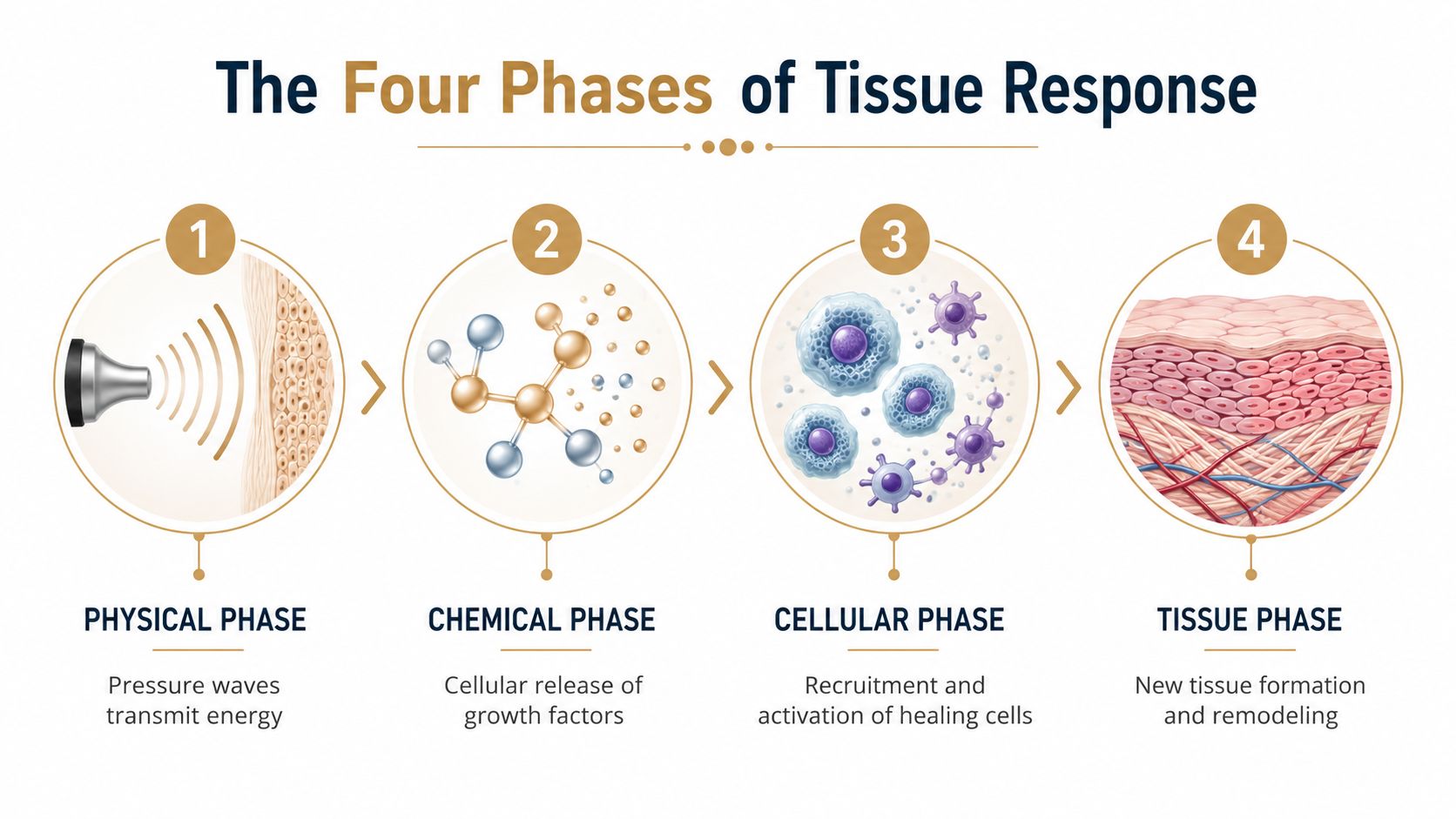
Next, the released signals influence ion channels and calcium activity inside cells. Calcium acts like a switchboard for many cellular processes. Changes in calcium signaling can affect gene and protein activity, inflammatory communication, and the way cells coordinate with neighboring tissue.
This phase helps explain why pain modulation can occur without numbing the area. Reviews describe analgesic effects in relation to peripheral neuroregulation, changes in pro-inflammatory mediators, local blood flow, and sensory nerve remodeling (clinical evidence on dose and response).
The final phase is the visible tissue-level consequence of the earlier signals. Cells may support new vessel formation, collagen organization, fibroblast activity, immune regulation, and recruitment of repair-related cells. The body still has to complete the remodeling work, so the response often develops progressively rather than appearing as an instant structural transformation.
That chain reaction is why a practitioner evaluates function over time, not just pain immediately after a visit. A useful assessment may include movement quality, tenderness, strength, walking tolerance, or the ability to perform a specific activity.
SoftWave therapy does not have equal evidence for every painful condition. The wider ESWT literature reports clinically meaningful changes in pain and function across tendinopathies, plantar fasciitis, myofascial pain, and other musculoskeletal disorders, yet protocols, energy settings, diagnoses, and evidence certainty vary. The biological rationale may be sound while the clinical result remains condition-specific.
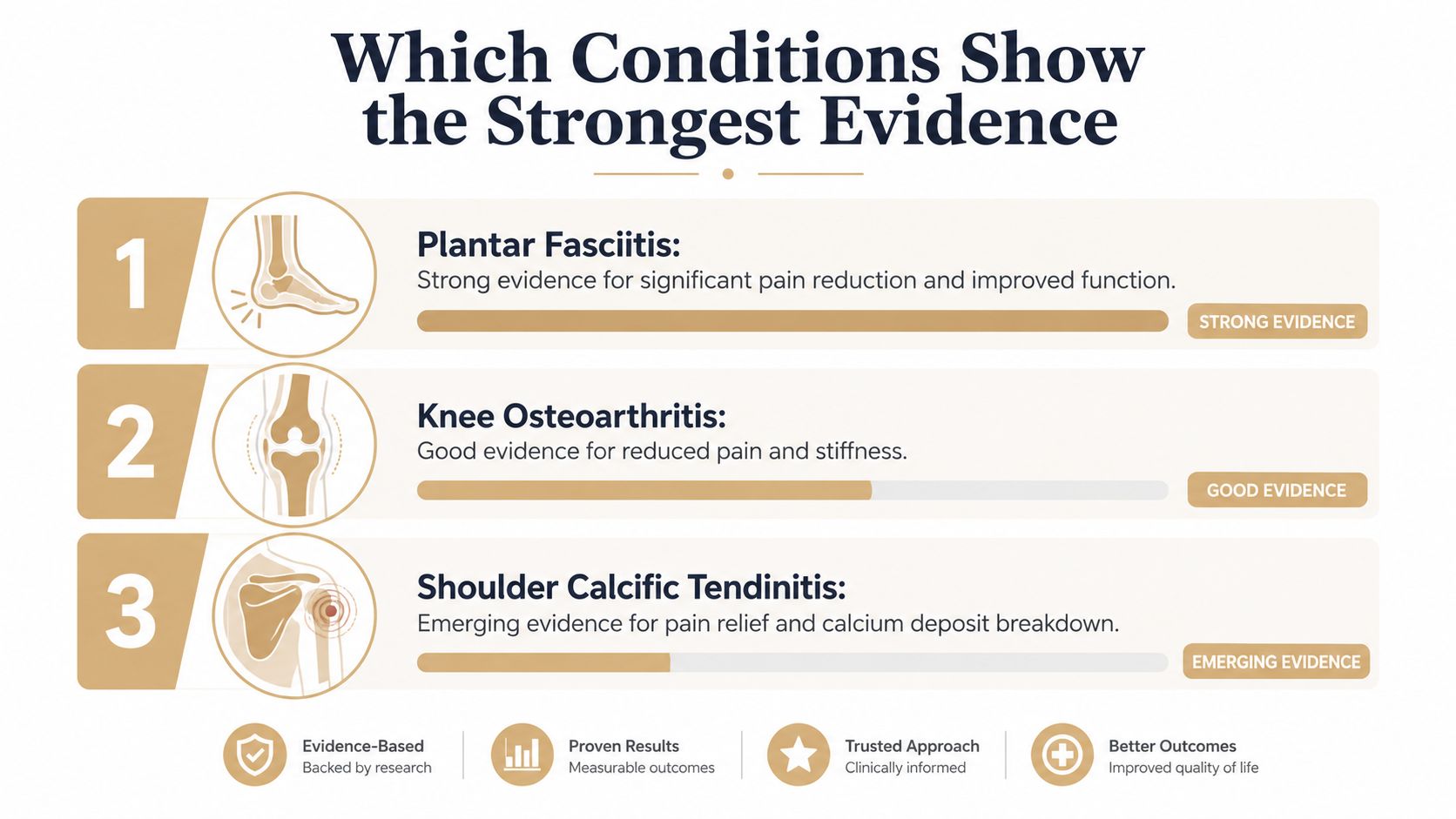
Tendon-related problems and plantar fasciitis have received substantial attention in ESWT research. These conditions can involve persistent loading, altered collagen behavior, pain-sensitive tissue, and slow recovery when aggravating activity continues. Mechanical stimulation may influence mechanotransduction, local blood flow, biomarker signaling, and later remodeling, so it addresses more than temporary symptom suppression.
Myofascial pain and some other soft-tissue disorders also show meaningful improvement in broader reviews. That result does not guarantee a response for an individual patient. Load management and exercise may still be needed, and treatment selection should follow an examination rather than the diagnosis label alone.
Plantar fasciitis needs a careful explanation. A 2026 systematic review found that radial shockwave therapy was not superior to other electrophysical modalities for pain or function. High risk of bias and heterogeneity also limited certainty (2026 plantar fasciitis review). The finding does not establish that every acoustic-wave approach is ineffective. It does show why the word “shockwave” cannot support a confident promise by itself.
Rotator cuff conditions show why dose and diagnosis matter. Earlier evidence found greater success with higher-dose regimens in some soft-tissue conditions, while low-dose treatment had low-level evidence of no benefit for certain rotator cuff problems (systematic review of ESWT dose and outcomes). Someone with shoulder pain can also review this rotator cuff injury recovery guide, especially when weakness, restricted motion, or trauma calls for broader evaluation.
Chronic low back pain remains less settled. Newer literature indicates that ESWT alone may reduce pain, while functional improvement is uncertain and combined care may be more promising. SoftWave is often better viewed as one component of a diagnosis-specific plan, rather than an automatic standalone solution.
A typical visit begins with an examination, not an automatic treatment. The practitioner reviews your symptoms, tests movements or activities that reproduce them, checks nearby joints and soft tissues, and considers whether another evaluation or referral is appropriate. The most painful spot may be only one part of the problem, so the treatment area should follow the examination rather than the diagnosis label alone.
After you are positioned comfortably, the practitioner applies coupling gel so acoustic energy can pass efficiently between the applicator and your skin. The device delivers pulses as the applicator moves across the target region or focuses on specific areas identified during the examination. The goal is controlled mechanical stimulation, not pressing harder on a sore spot.
Most patients describe tapping, pulsing, or pressure. A sensitive tendon or irritated soft-tissue area can feel sharper than nearby tissue. Your practitioner should check your response and adjust the application when appropriate. Discomfort can be part of the sensation, but it should remain manageable.
The treatment is non-invasive, with no incision or injection, and anesthesia generally is not part of a standard session. Radial pressure-wave systems can transmit pressure into tissue to depths of about 4 to 5 cm, according to Mayo Clinic information summarized in the FDA-related clinical background (FDA device record and clinical context). Depth alone does not show whether treatment fits your condition. Tissue location, device type, and the examination all affect that decision.
A session commonly takes roughly 10 to 20 minutes per treatment area, depending on the planned clinical workflow. You may notice temporary tenderness or altered sensitivity afterward. Many patients continue ordinary activities, although the practitioner may suggest modifying aggravating exercise and adding hydration, mobility work, or other parts of the care plan.
Do not judge the session only by how you feel when you leave. Track a practical activity, such as walking, reaching, sleeping, lifting, or returning to a sport. Changes in that activity give the care team a clearer basis for deciding whether to continue, adjust, or stop the plan.
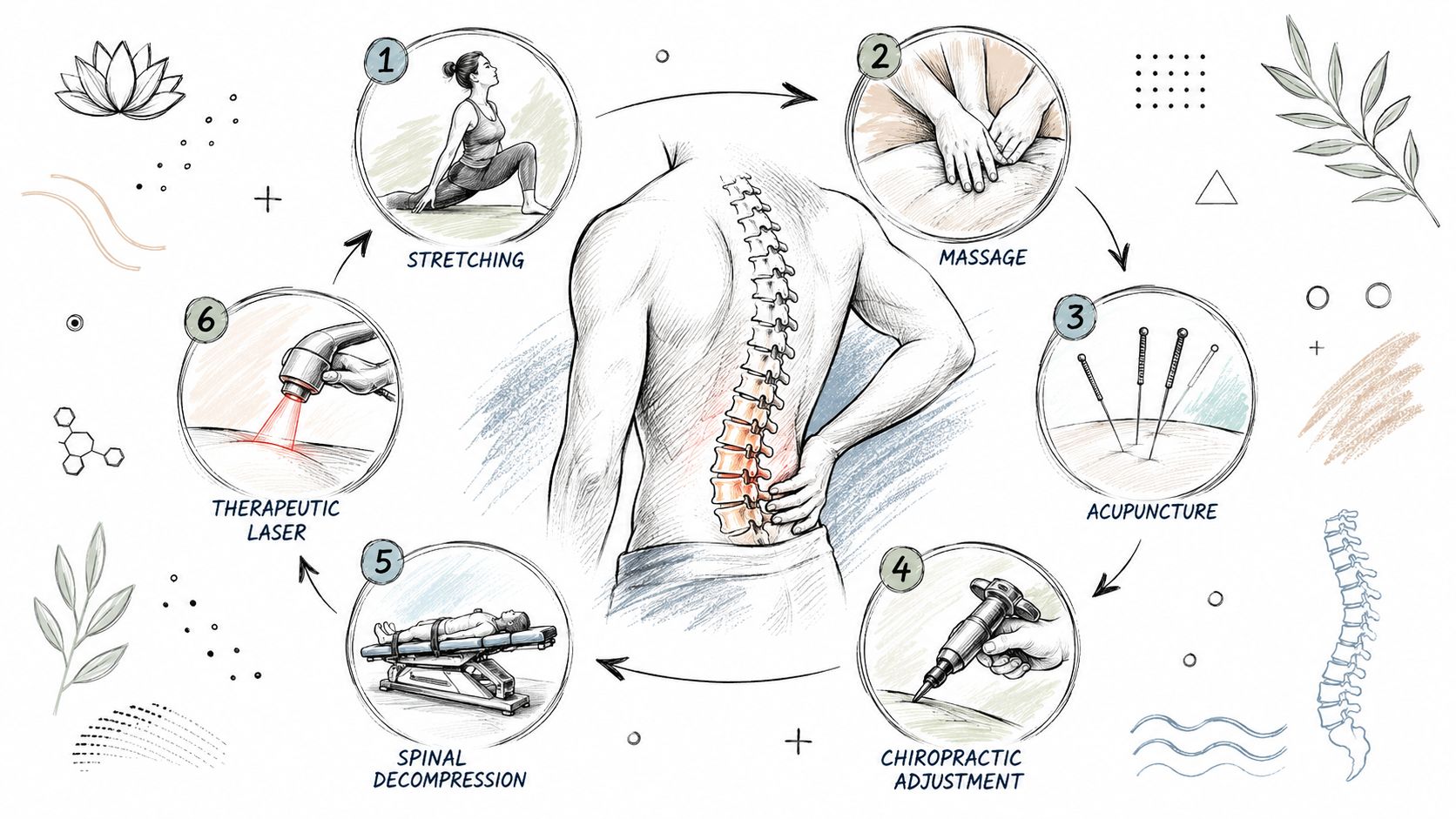
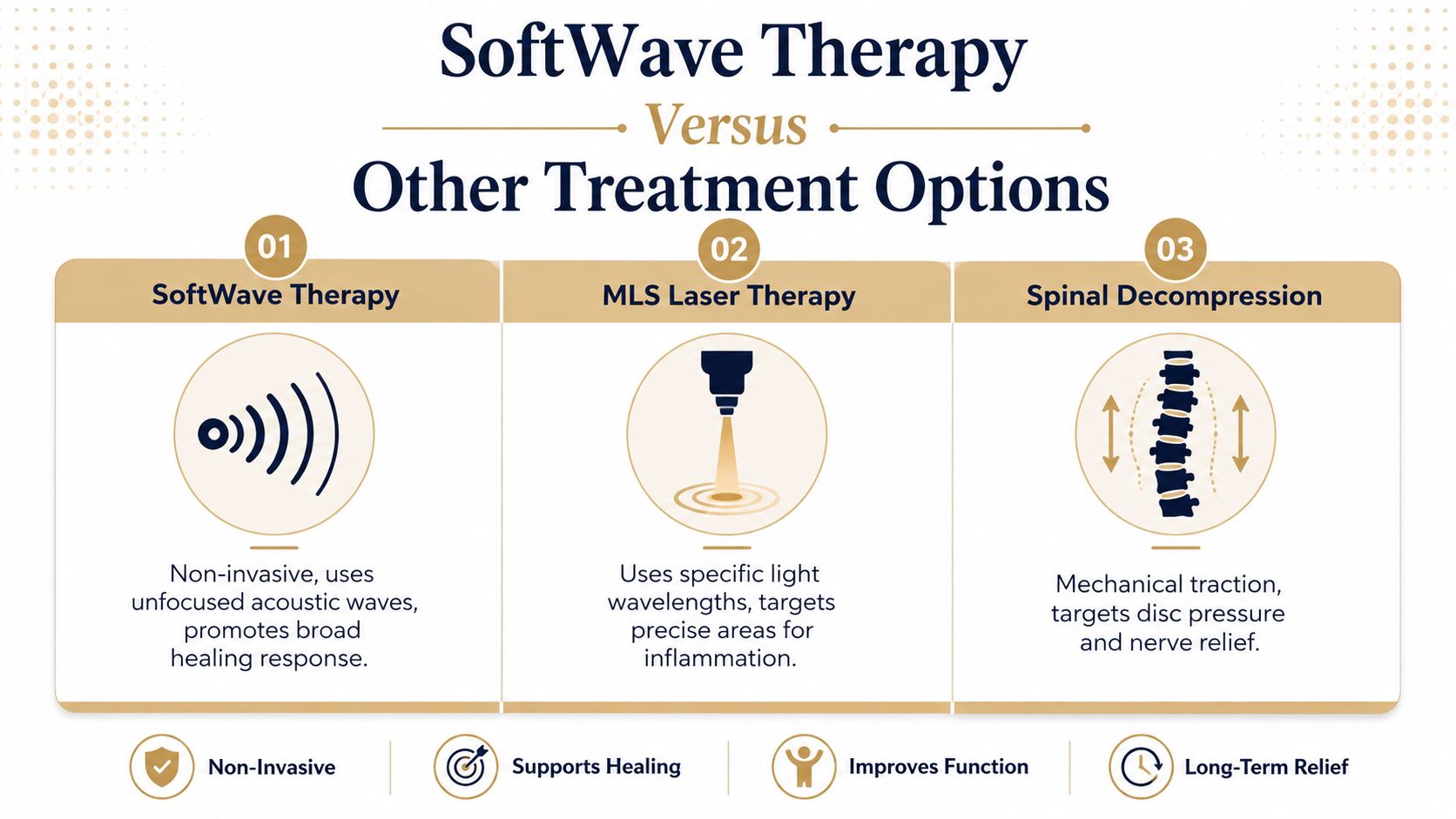
SoftWave therapy and other in-house services can address different parts of a musculoskeletal problem. Choosing among them shouldn't be based on which machine sounds most advanced. It should follow the working diagnosis, the tissue involved, the presence of nerve or disc symptoms, and the patient's goals.
| Approach | Main input | Where it may fit |
|---|---|---|
| SoftWave therapy | Acoustic mechanical waves that stimulate mechanotransduction and tissue signaling | Persistent tendon, fascia, muscle, and other soft-tissue problems where repair support is part of the plan |
| MLS Laser Therapy | Specific light wavelengths applied to targeted areas | Care plans focused on inflammation reduction and recovery support |
| Spinal decompression with the DRX 9000 | Mechanical traction intended to address disc-related loading and nerve irritation | Selected disc-related conditions, including some patterns of radiating pain |
| Massage therapy and mobility therapy | Manual input, movement, and soft-tissue work | Restricted motion, muscle dysfunction, and preparation for exercise |
| Chiropractic adjustment and realignment care | Clinician-guided joint and spinal movement | Joint mobility, spinal mechanics, and functional movement limitations |
SoftWave is most distinct when the goal is to stimulate a broader biological response in soft tissue. MLS Laser Therapy is a different energy modality, while spinal decompression targets a mechanical problem involving the spine. This explanation of MLS Laser Therapy provides additional context for distinguishing light-based treatment from acoustic-wave treatment.
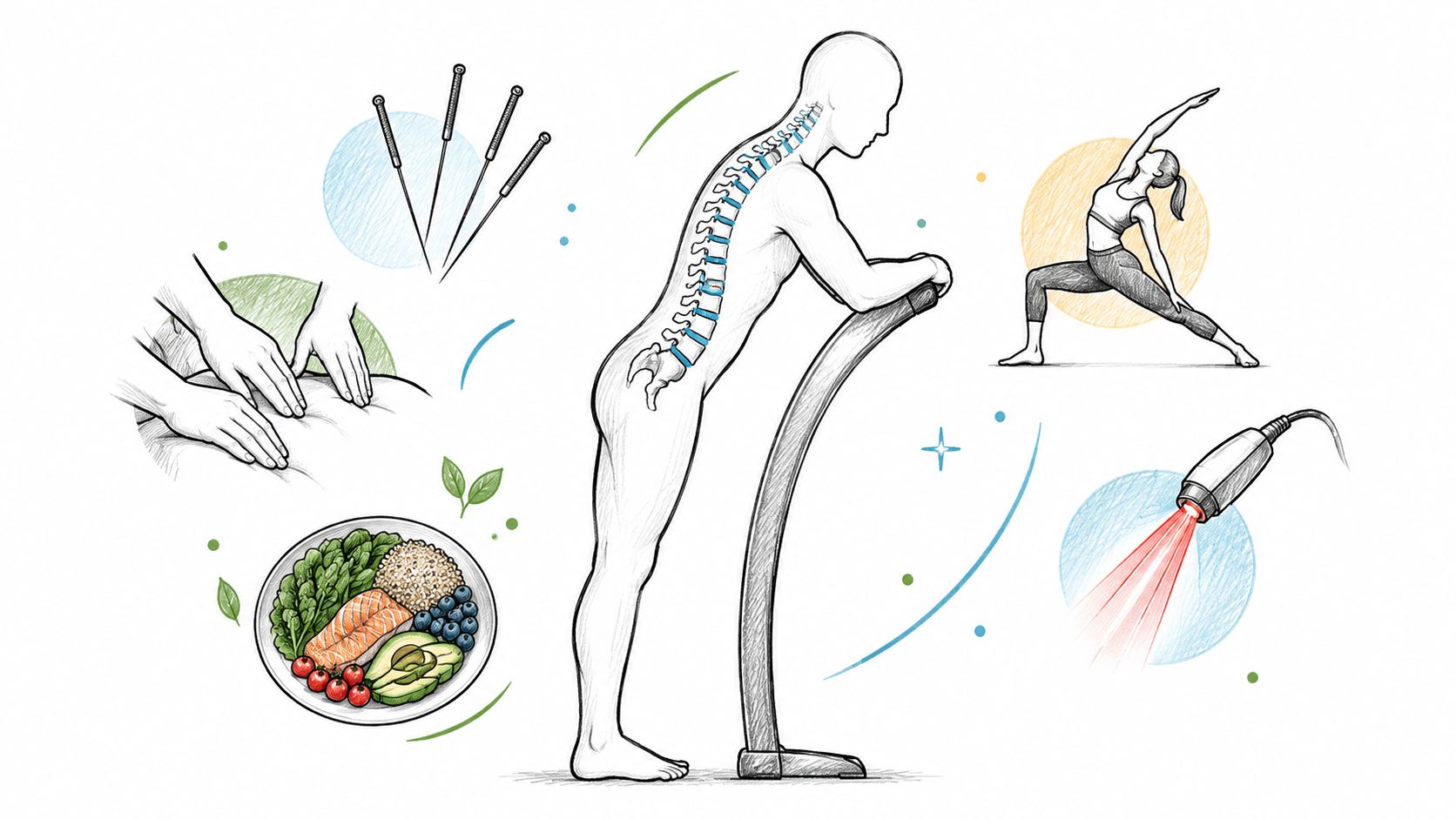
A patient with sciatica from a disc-related condition may need a different starting point than a patient with plantar fascia pain. Someone recovering from a car accident may need examination, symptom monitoring, massage, mobility work, rehabilitation exercise, and possibly imaging referral rather than a single device. Acupuncture, muscle stimulation, nutrition counseling, personal exercise plans, and rehabilitation exercise can also serve different roles.
At Aspen Falls Wellness, SoftWave Therapy is offered alongside MLS Laser Therapy, massage therapy, chiropractic adjustment, spinal decompression with the DRX 9000, acupuncture, mobility therapy, rehabilitation exercise, nutrition counseling, muscle stimulation, and related chiropractic care. The point of combining services is not to accumulate treatments. It's to match each intervention to a specific clinical need.
SoftWave therapy is non-invasive, but non-invasive doesn't mean appropriate for everyone. A practitioner should review your health history, medications, diagnosis, and treatment area before applying acoustic waves. Tell the clinician if you're pregnant, have a bleeding disorder, use medication that affects clotting, have an active infection, or have a tumor at or near the proposed treatment site.
Treatment should also be approached cautiously around open growth plates in pediatric patients. Avoiding vulnerable structures is part of responsible clinical planning. A practitioner should explain why the treatment is suitable, what area will be treated, and what symptoms would justify contacting the office afterward.
Reviews describe most adverse events as mild and transient local reactions (ESWT clinical review). Temporary redness, bruising, tenderness, or increased soreness can occur. These reactions generally settle, but “generally mild” doesn't mean you should ignore severe, persistent, or unusual symptoms.
A 2025 review of hip and pelvis tendinopathies documented increased pain and skin irritation in 12% of patients (review of hip and pelvis tendinopathies). That figure applies to the reviewed patient group and condition set. It shouldn't be treated as a universal risk estimate for every SoftWave session or every body region.
Safety boundary: Pain during treatment should be reported, and new neurological symptoms, marked swelling, signs of infection, or worsening symptoms deserve prompt clinical attention.
The safest approach is individualized screening and honest communication. SoftWave shouldn't delay appropriate imaging, medical evaluation, or specialist referral when symptoms suggest a fracture, serious infection, significant neurological involvement, or another condition outside routine conservative care.
SoftWave therapy stimulates a sequence of biological events, and those events don't follow a guaranteed schedule. Some patients notice a change in pain or movement relatively early. Others need time for circulation, cellular signaling, collagen activity, and tissue remodeling to influence function. Improvement can be gradual, uneven, and easier to recognize through daily activities than through a single pain score.
Your response may depend on the condition, how long it has been present, tissue health, treatment parameters, activity demands, and whether the aggravating load changes. A patient who receives treatment but continues repeatedly provoking the same tendon may limit the value of the biological stimulus. Exercise progression, mobility therapy, sleep, nutrition, and an appropriate home program can help translate reduced symptoms into durable function.
Use practical markers to judge progress:
SoftWave may be used with chiropractic adjustment, decompression, realignment care, massage therapy, acupuncture, muscle stimulation, personal exercise plans, sciatica treatment, or rehabilitation exercise when those services fit the diagnosis. The honest answer to “how does SoftWave therapy work” is that it can provide a biological stimulus, but your recovery still depends on the condition and the complete care plan.
If persistent pain, tendon trouble, limited mobility, or a slow-healing soft-tissue problem is affecting your daily life, visit Aspen Falls Wellness for an individualized evaluation. The team can discuss whether SoftWave Therapy, MLS Laser Therapy, spinal decompression with the DRX 9000, chiropractic care, mobility therapy, exercise, or another combination fits your needs.

Stay updated with the latest chiropractic news and exclusive offers.