Discover how massage therapy for whiplash can speed recovery, when to start treatment, and how Aspen Falls Wellness integrates massage with chiropractic care.
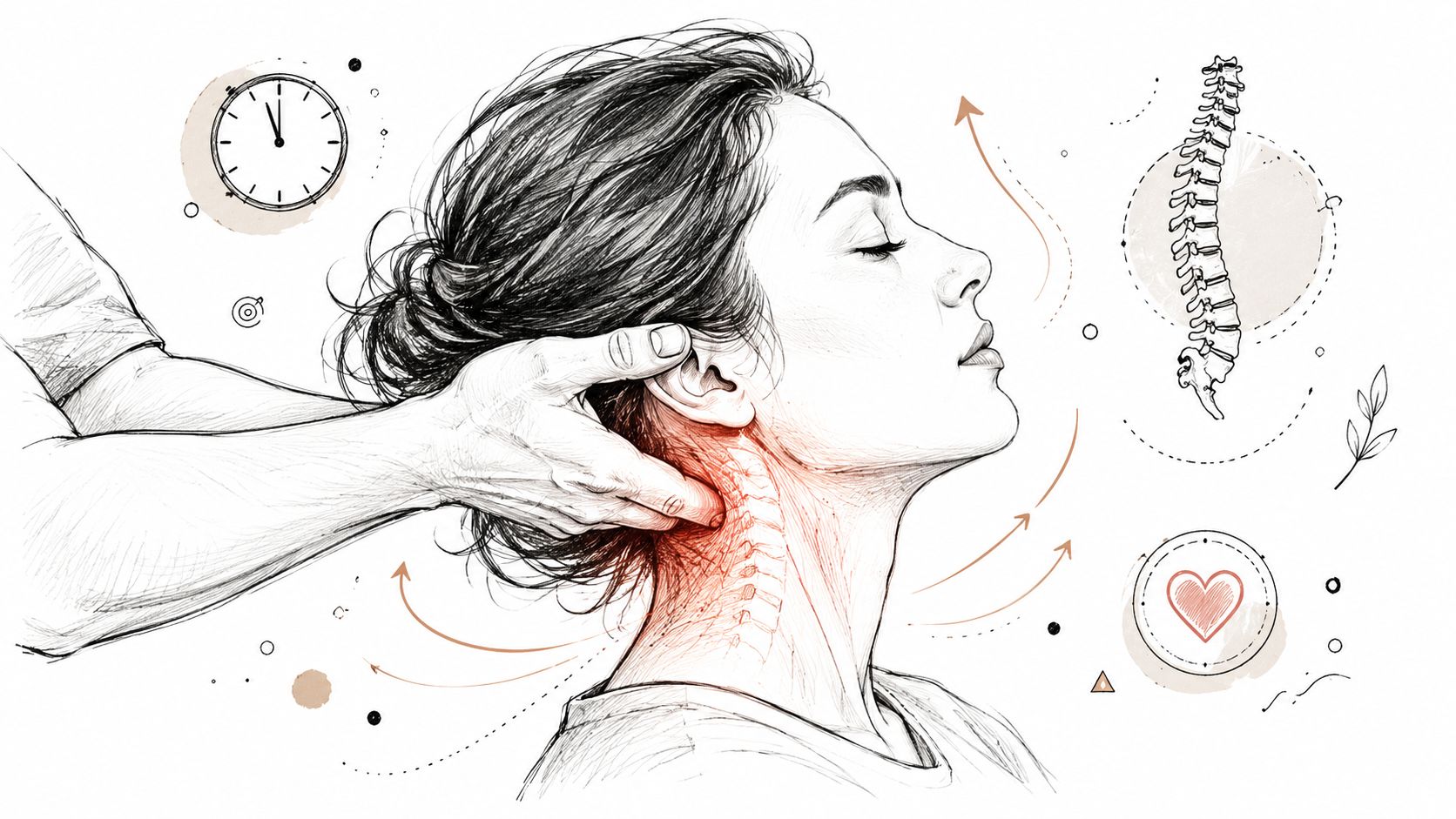



You just got rear-ended, or maybe your neck didn't hurt until the next morning. Now the stiffness is there when you turn your head, the muscles feel guarded, and even a pillow can seem wrong. That's the moment many begin searching for massage therapy for whiplash, because they want relief that feels safe, practical, and not overly aggressive. The key is knowing what massage can do, when it makes sense, and when it should wait.
A rear-end collision can leave you feeling fine for a few hours, then suddenly sore, tight, and worried about moving your neck the wrong way. That delay is common in whiplash, and it's one reason people often feel frustrated before they even reach a clinic. They're not just in pain, they're trying to figure out whether rest, movement, massage, or something else is the right next step.
Massage comes up because it can address the part of whiplash people feel most directly, the stiff, protective muscle response. That said, the research base has long leaned toward active rehabilitation rather than passive rest, and a 2011 synthesis reported that soft-collar immobilization was less effective than active mobilization, while evidence for passive approaches such as manual therapy was limited or insufficient for firm conclusions. In the same broader review, massage sat more comfortably as an adjunct than a stand-alone solution, which is how many modern care plans use it. A review of whiplash interventions
Practical rule: if your neck pain started after a collision, the goal isn't to “push through” or to get a deep massage right away. The goal is to confirm safety, then use the least aggressive care that still helps you move.
That's why a first visit should feel like a screening process, not a spa appointment. A careful clinician checks symptoms, asks how the injury happened, and decides whether massage belongs in the plan now or later. For a fuller overview of whiplash recovery options, see this whiplash injury treatment guide, which fits well with the integrated approach used in musculoskeletal care.
Whiplash acts like a sudden snap on the neck's soft tissues. Muscles tighten to protect the area, small tissues get irritated, and motion starts to feel guarded, almost like the neck is bracing for another hit. Massage tries to calm that response by working with the tissue, not against it.
Think of tight neck muscles like an overstrained rubber band. When a band gets yanked too hard, it doesn't rebound smoothly. It stays tense, a little sticky, and less willing to stretch the next time. Gentle massage aims to help those tissues relax so the neck can tolerate normal movement again.
The practical effect is simple. A therapist uses hands-on pressure to reduce muscle guarding, encourage circulation, and make the area feel less locked up. That doesn't “fix” every part of whiplash by itself, but it can lower the barrier to moving, breathing, and sleeping more comfortably.
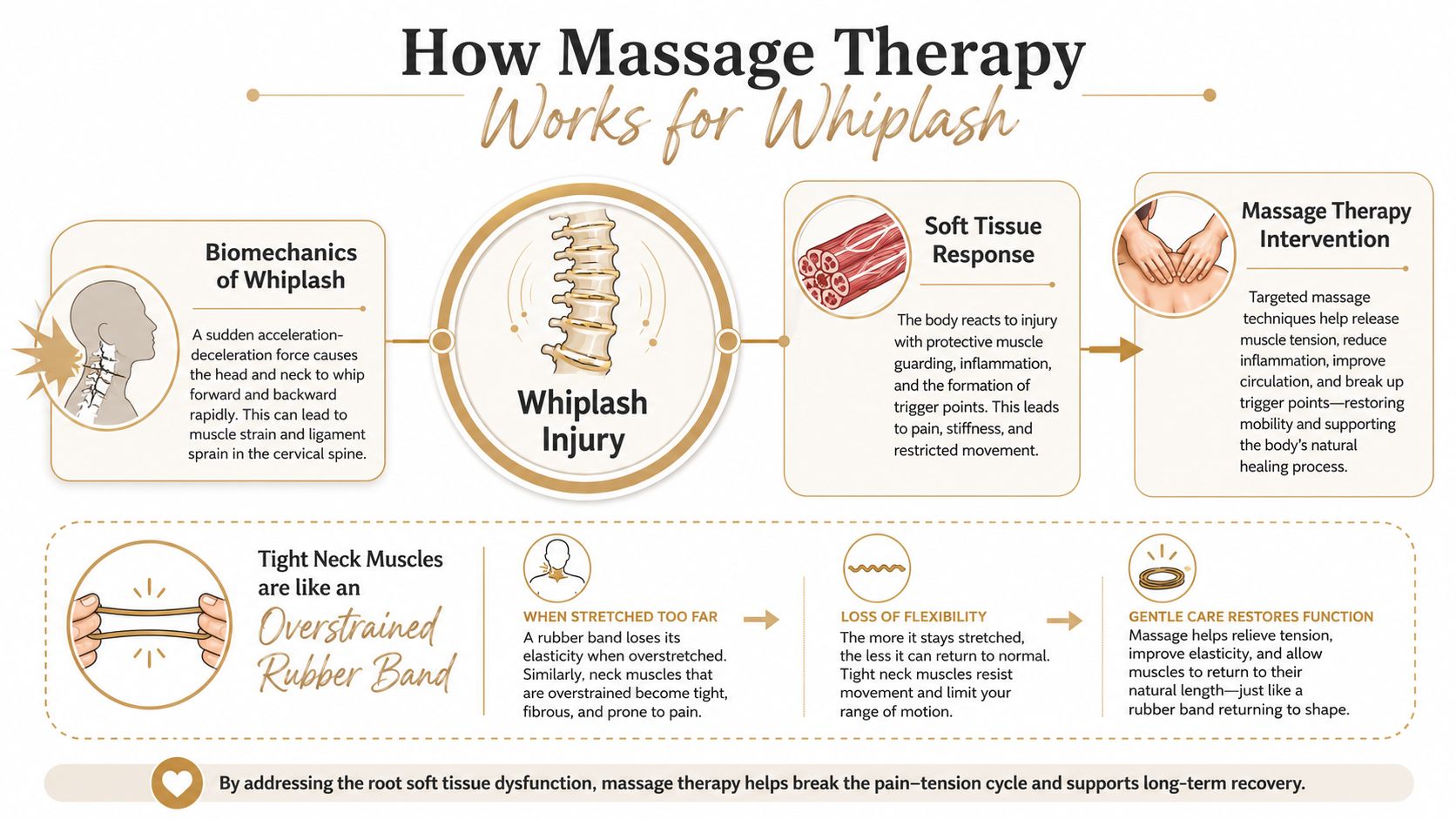
Whiplash isn't just a muscle problem. Pain can stay “louder” than the tissue damage itself because the nervous system stays alert. Massage can help through sensory input, meaning the brain receives calmer, more organized touch signals instead of only pain and threat signals. That's one reason many patients feel easier movement soon after a careful session, even when the injury is still healing.
A useful way to think about it is this, massage is like lowering the volume on a sensitive alarm so the body can start moving normally again. It works best when paired with movement, posture changes, and home exercises that keep the neck from stiffening back up.
The evidence for massage in whiplash is strongest when you look at it as part of a wider neck-pain recovery strategy. In the OPTIMa update of the Neck Pain Task Force, which reviewed 15 evaluation studies and 7 exploratory studies, Swedish or clinical massage was one of the few massage-related approaches that showed benefit for recent neck pain associated disorders, especially when it was added to self-care advice. The same review found relaxation massage was not effective for neck pain management, and for whiplash-associated disorders grades I-II, needle electroacupuncture performed similarly to simulated electroacupuncture, which shows how mixed the passive-treatment evidence has been overall. The OPTIMa review
A randomized trial of therapeutic massage for chronic neck pain gives a more concrete picture. At 10 weeks, 39% of the massage group achieved clinically significant improvement on the Neck Disability Index versus 14% in the book/self-care group, and 55% versus 25% reported improvement in symptom bothersomeness. By 26 weeks, the massage group still trended toward better functional improvement. Therapeutic massage trial for chronic neck pain
Those numbers matter because persistent whiplash often behaves like chronic neck pain and stiffness. They don't mean massage should replace exercise or medical evaluation. They do show that targeted manual care can move the needle for some people, especially when the plan is structured and not random.
Massage has support when it's used with a purpose. The best-supported pattern is targeted, time-limited, and paired with self-management. That fits the broader whiplash evidence, which has long favored active recovery over passive waiting, and it explains why massage is usually treated as an adjunct, not the whole answer.
The best results usually come from the therapist treating the soft tissue while the patient keeps doing the active work at home.
No serious adverse experiences were reported in the massage trial above, which supports massage as a generally low-risk conservative option when it's delivered appropriately. That safety point matters, because the right technique at the wrong time can still be a bad idea.
Timing changes everything with whiplash. A neck that just absorbed trauma should be treated very differently from a neck that's stiff three weeks later. The first question is never “What technique do you want?” It's “Is massage appropriate at this stage?”
Independent guidance says whiplash clients should first be seen by a physician to rule out fracture, concussion, or nerve-root compression, and severe symptoms such as vision changes, arm weakness, swallowing difficulty, or bowel or bladder changes need urgent referral before massage. That's the safety filter that keeps conservative care safe. Whiplash massage safety guidance
During the earliest phase, aggressive stretching, deep pressure, or work over vulnerable front-of-neck structures isn't the right starting point. The front of the neck includes delicate anatomy, and heavy pressure there is not a casual decision. For a related overview of what to avoid during hands-on care, see what you should not do during a massage.
| Phase | What the body usually needs | Massage emphasis |
|---|---|---|
| Acute | Protection, screening, calming down irritation | Very gentle contact only if cleared |
| Subacute | Reduced guarding, easier motion, less fear around movement | Light therapeutic work, not forceful digging |
| Chronic | Rebuilding movement confidence and soft tissue tolerance | More specific soft-tissue treatment, still matched to symptoms |
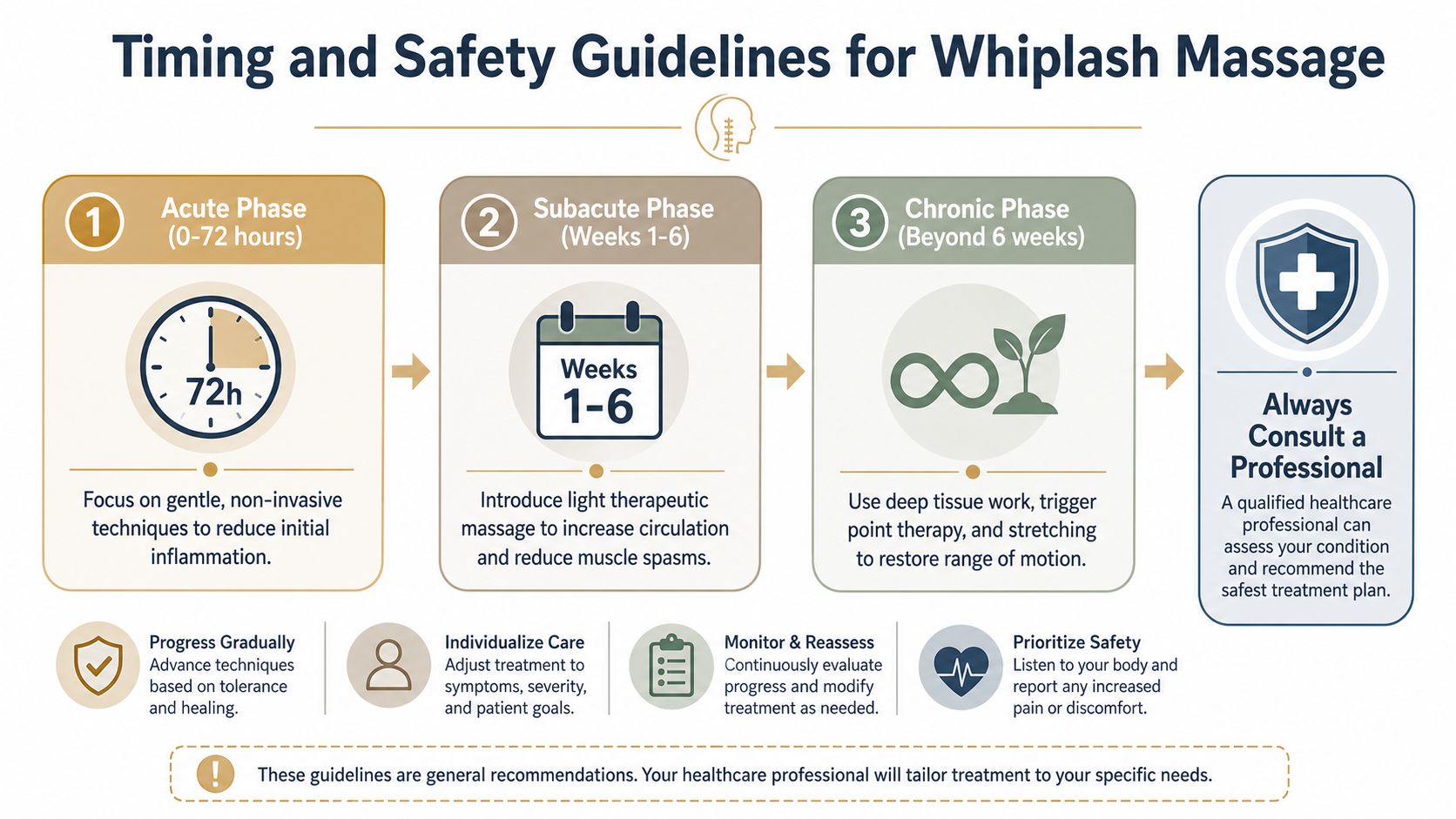
The point of that progression is simple. The more irritable the injury, the gentler the input should be. As symptoms settle, the therapist can work more specifically without provoking a flare-up.
If you're unsure, stop and get checked. A careful exam protects you from turning a manageable injury into a harder one to recover from.
Different techniques feel different for a reason. One session might focus on easing surface guarding, while another targets stubborn knots near the shoulders or the base of the skull. The right choice depends on stage, sensitivity, and how your symptoms react during and after treatment.
| Technique | How It Works | Ideal Application |
|---|---|---|
| Myofascial release | Uses slow, sustained pressure to soften tight connective tissue | Stiff necks that feel “stuck” rather than sharply painful |
| Trigger-point therapy | Focuses on specific tender spots that refer pain | Knotted upper traps, shoulder blade pain, headache-related tension |
| Gentle cervical mobilization | Moves the neck through comfortable ranges with light guidance | Patients who need help restoring motion without heavy pressure |
| Relaxation stretching | Uses calm, supported lengthening after tissue softening | End-of-session range-of-motion support |
Your feedback matters more than the technique name. Say what pressure feels okay, what feels sharp, and whether the area feels better, looser, or more irritated afterward. A good session should feel targeted, not overwhelming.
If you're curious about comfort-focused options that some people explore alongside hands-on care, you can also discover CBD massage advantages. The important part is still the same, the plan should match your symptoms and medical clearance.
Not every visit needs deep pressure. Early whiplash often responds better to light touch, slow work, and careful reassessment than to intense digging into sore tissue. If the neck feels more guarded after treatment, that's a sign the pressure was too much for that day.
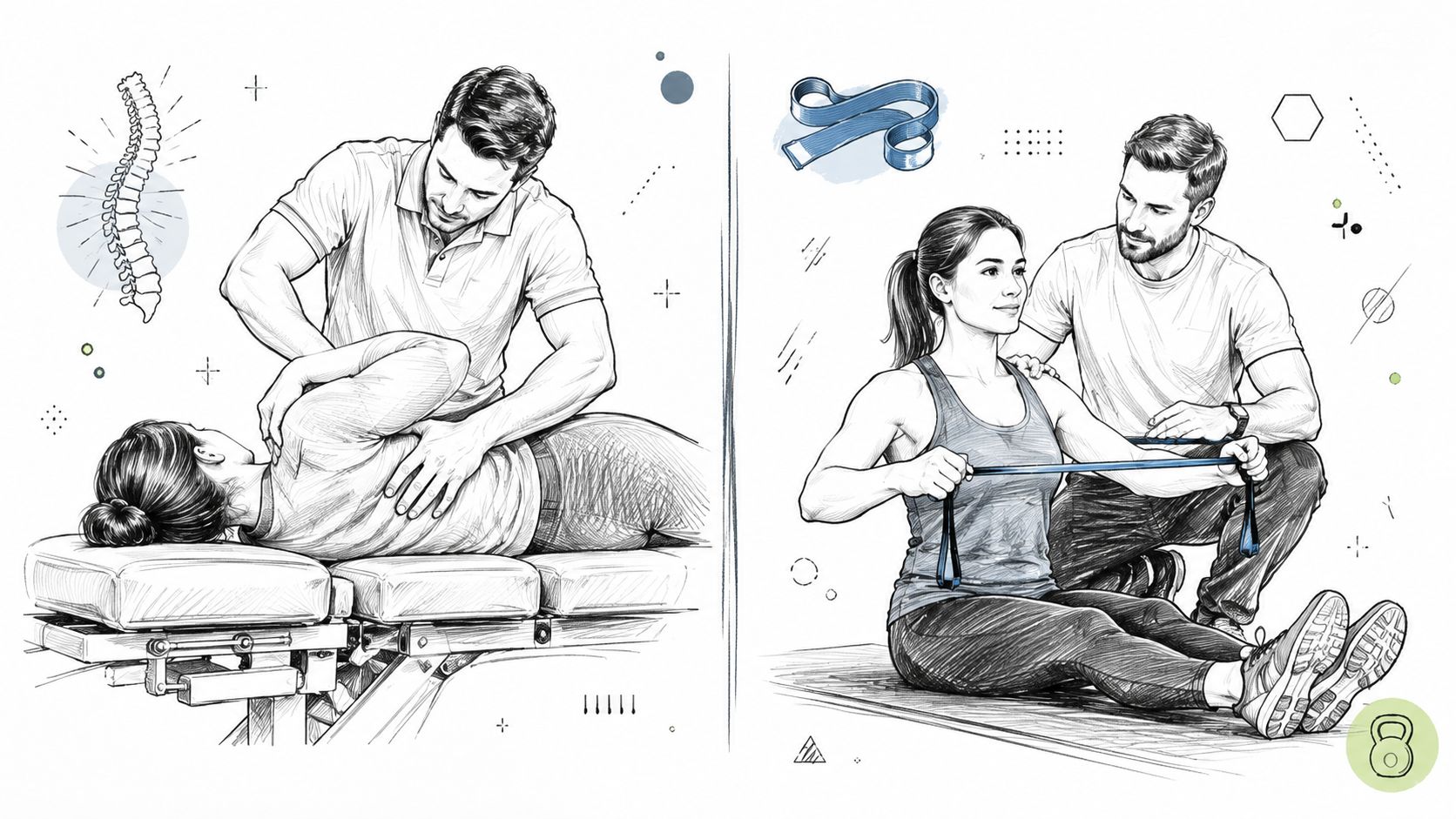
Massage often works best when it's not trying to do every job alone. In a musculoskeletal clinic, the therapist, chiropractor, and rehab team each address a different layer of the problem. Soft tissue, joint motion, and exercise tolerance all matter, and whiplash can involve all three.
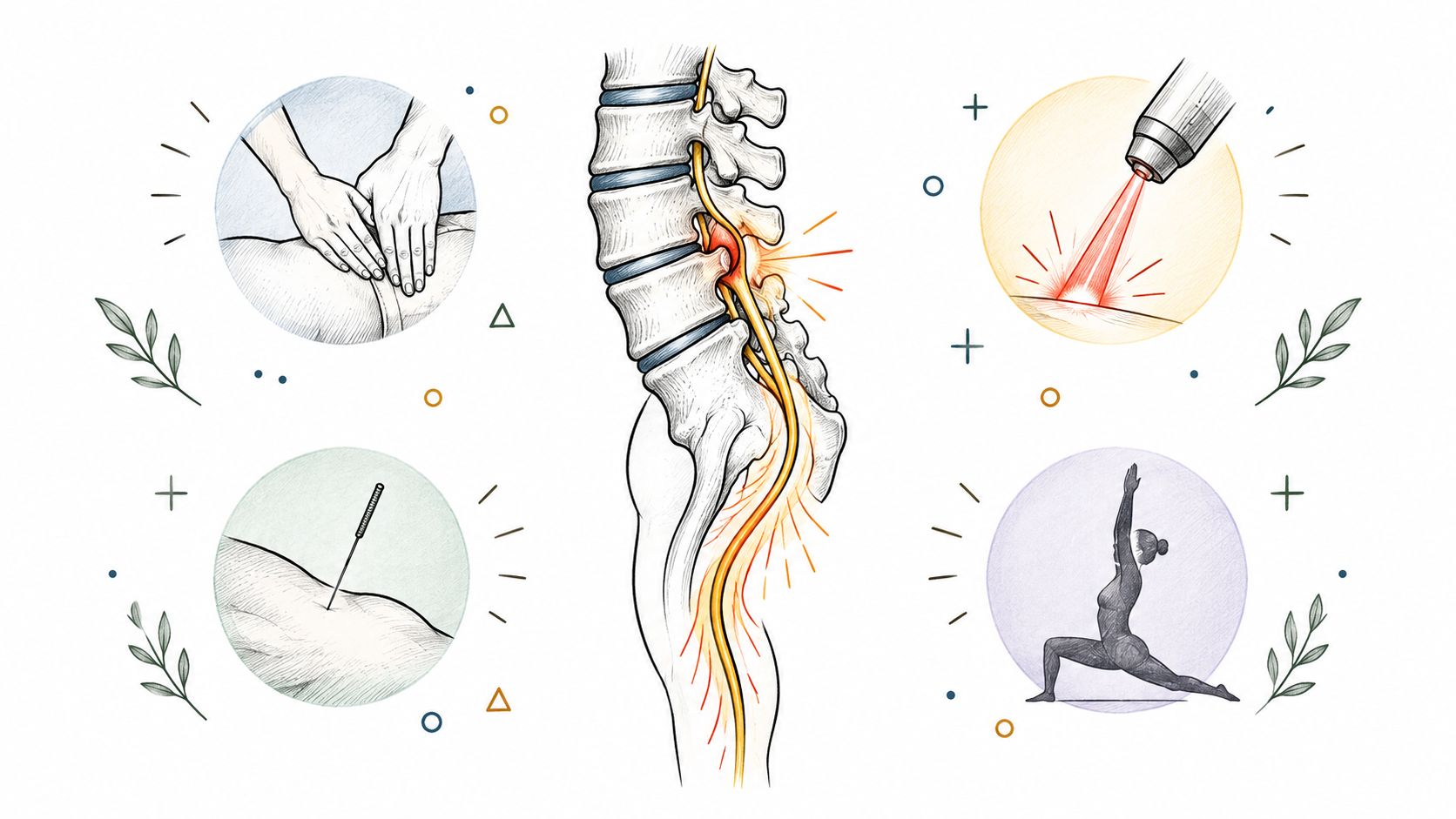
At Aspen Falls Wellness, massage can be part of a coordinated plan that also includes chiropractic adjustments, spinal decompression with the DRX 9000, MLS Laser Therapy, and personal exercise plans. That matters because the Mayo Clinic notes that massage may provide short-term relief for whiplash-related neck pain, and chiropractic care paired with exercise may enhance outcomes. Mayo Clinic whiplash treatment overview
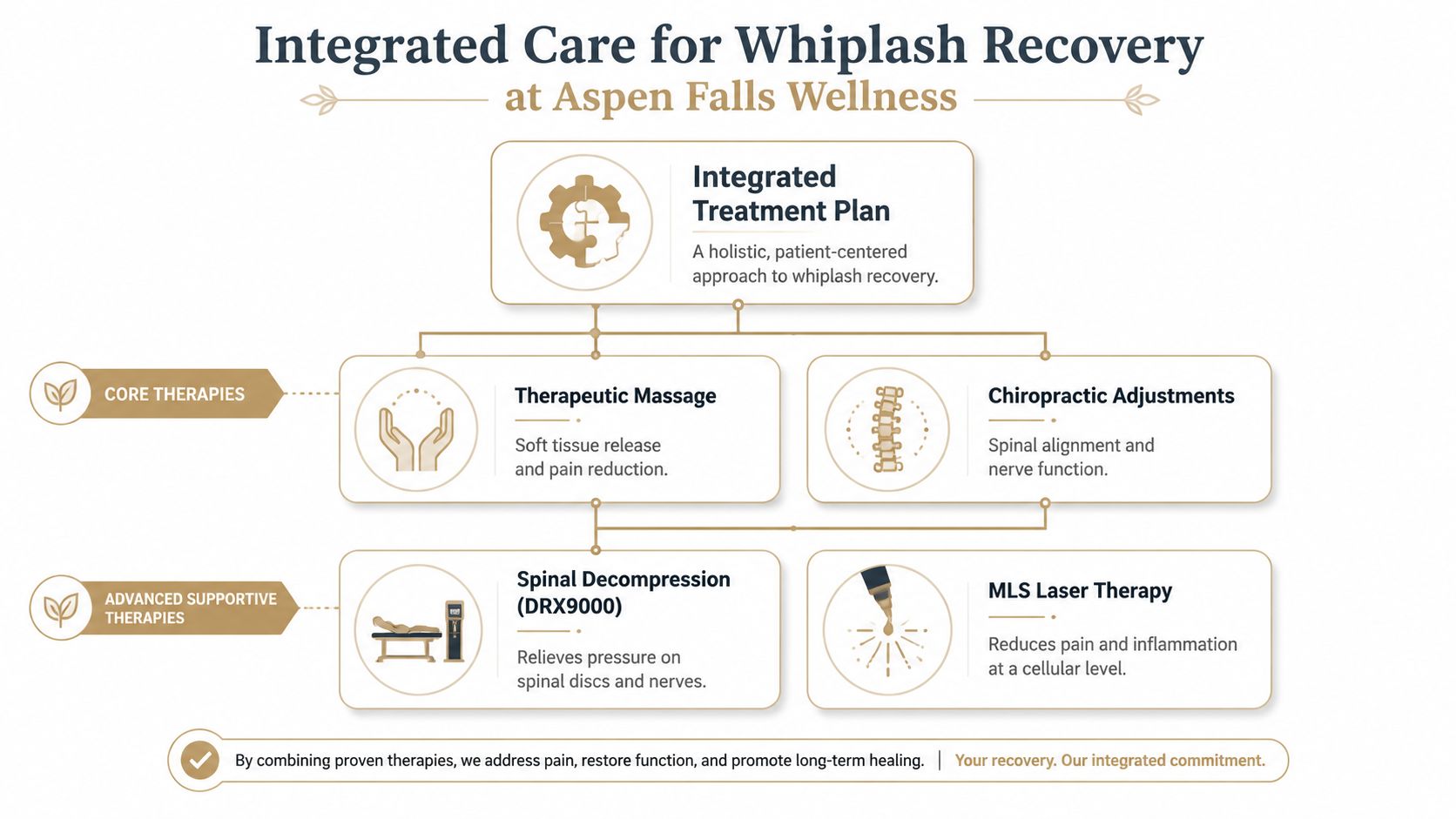
A practical session flow often starts with soft-tissue assessment, then uses massage to reduce guarding, then shifts into alignment work or a device-based modality if that's appropriate. The logic is easy to follow. Loosen the tissue, improve motion, then reinforce the change with the right corrective care.
A stiff neck affects sleep, driving, work, and even how comfortable you feel looking over your shoulder. Integrated care tries to reduce that ripple effect by combining hands-on care with movement retraining. That's also where managing family health documents can help, because accident-related care often involves notes, referrals, imaging, and visit summaries that are easier to track when they're organized.
Useful habit: bring your symptom history, medication list, and any imaging or discharge paperwork to the first visit. Clear records make the plan cleaner.
If you're trying to understand how neck treatment fits into the broader musculoskeletal picture, this chiropractor-for-neck-pain guide gives a helpful context for why massage and adjustment are often paired rather than separated.
The goal isn't to stack every service available. It's to use the few that match the injury stage, then reassess based on what your body does after treatment.
The administrative part of whiplash recovery can feel annoying when your neck already hurts. Insurance questions, visit timing, and paperwork are the last things anyone wants to think about after a collision. But having a clear path prevents missed steps, especially when symptoms change from one visit to the next.
A first appointment should start with a careful evaluation. If the exam shows something that needs imaging or a different level of care, an X-ray or MRI referral may be appropriate, but only when indicated. That kind of screening helps keep massage and manual care in the right lane.
Aspen Falls Wellness works with a coordinated model that can include chiropractic care, massage therapy, exercise guidance, and other conservative services. If you're checking coverage, it makes sense to verify your benefits with plans such as Aetna, BCBS, Cigna, Humana, and other carriers before the visit so you're not guessing about the next step. The exact benefit structure depends on the plan, so confirmation matters.
A SIRA whiplash guideline recommends reassessing pain and disability at each visit using the VAS and NDI. If scores stay high, treatment intensity should be reviewed, and if the patient is improving, active home exercises should continue with intermittent review over 6 to 12 months. SIRA whiplash guidelines
That approach keeps care from drifting. You're not just showing up for the same routine again and again. You're checking whether the plan is lowering pain, improving movement, and making daily tasks easier.
If your pain spikes, movement worsens, or you feel uncertain after a session, that's not a reason to push harder. It's a reason to reassess the plan and adjust the dose of care.
Massage can be a smart part of whiplash recovery, but it works best when it's matched to the stage of injury and paired with active care. The safest pattern is clear, screen for red flags first, use gentle treatment early, and keep building movement with home exercises as symptoms improve. That's how a conservative plan stays useful instead of random.
For day-to-day self-care, keep the neck moving within comfort, check your posture at your desk or in the car, and use ice or heat only in the way your clinician recommends for your specific stage. Gentle range-of-motion work is usually more helpful than guarding the neck all day. If a motion causes sharp pain, stop and mention it at your next visit.
FAQ 1. Can I use a home massage tool? Only if your clinician says the area is safe for pressure and the symptoms aren't in an acute, irritable phase.
FAQ 2. How often should I get massage? It depends on your symptoms, response, and the broader care plan, so frequency should be guided by reassessment rather than habit.
FAQ 3. When should I switch to active rehab? As soon as pain starts settling enough to tolerate it, because whiplash recovery usually improves when movement and self-care stay in the plan.
If you're dealing with neck pain after a collision, reach out to Aspen Falls Wellness to get a proper evaluation, confirm whether massage is appropriate, and build a conservative recovery plan that fits your symptoms and stage of healing.

Stay updated with the latest chiropractic news and exclusive offers.