Discover how nervous system regulation therapy works for chronic pain. Learn evidence-based modalities, mechanisms, and integrative care options



Deep breathing, cold exposure, and “vagus nerve hacks” are often presented as universal solutions for pain. They aren't. Nervous system regulation therapy is a real physiological concept, but its value depends on the condition, the modality, the treatment dose, and whether it's combined with care for the underlying musculoskeletal problem.
For one person, targeted vagus nerve stimulation may be relevant to a specific symptom pattern. For another, acupuncture, massage, corrective exercise, or spinal decompression may address the more important driver. The practical question isn't, “How do I regulate my nervous system?” It's, “Which treatment can influence the mechanisms contributing to my pain, and how will we know whether it's helping?”
Popular wellness advice often treats nervous system regulation as a mood you should maintain all day. That framing creates two problems. It makes ordinary activation seem unhealthy, and it gives pain patients a list of calming rituals without explaining whether those rituals address nerve compression, inflammation, restricted movement, or sensitized pain processing.
Your nervous system is supposed to respond to demands. It increases alertness when you need to move quickly, protects an injured area, and helps you focus during a stressful event. Regulation means the system can adjust and recover appropriately. It doesn't mean feeling calm every moment, and it doesn't mean a breathing exercise can correct every structural source of pain.
A useful clinical model separates physiological change from general feelings of relaxation. Heart-rate variability, heart-rate dynamics, heart rate, movement tolerance, sleep, and functional capacity can all help describe how the body is responding. In chronic pain populations, a 2024 systematic review found indications that neuromodulation can alter the autonomic nervous system, although interpretation remains difficult because studies use different autonomic outcome measures (systematic review of neuromodulation and autonomic outcomes).
That distinction matters. A person may feel temporarily calmer without experiencing meaningful improvement in walking, lifting, sleep, or nerve-related symptoms. Conversely, an effective treatment may first show up as better movement confidence or faster recovery after activity rather than an immediate disappearance of pain.
Practical rule: Treat nervous system regulation as a measurable treatment goal, not as a slogan attached to every relaxing activity.
Pain location and pain mechanism guide treatment selection. Disc-related sciatica involves a different clinical problem from post-accident neck stiffness, headache-associated neck pain, or muscle soreness after golf. A generic protocol can't account for those differences.
Evidence for non-invasive vagus nerve stimulation is more consistent for headache and migraine than for every chronic pain condition, and current reviews don't support broad conclusions across all pain syndromes (review of non-invasive vagus nerve stimulation for pain). That doesn't make nervous system regulation therapy irrelevant. It means the responsible approach matches the intervention to the symptom cluster, combines it with appropriate care, and reassesses rather than promising a universal fix.
Think of the autonomic nervous system as a vehicle with an accelerator and a brake. The sympathetic branch helps you mobilize energy, raise alertness, and respond to demand. The parasympathetic branch, which includes important vagal pathways, supports recovery, digestion, and restoration.
Neither branch is “good” or “bad.” You need the accelerator to escape danger and the brake to settle afterward. Trouble develops when pain, poor sleep, injury, emotional stress, or repeated threat signals keep the accelerator pressed while the brake responds too slowly.
Pain begins with information from tissues and nerves, but the brain interprets that information in context. A compressed nerve, inflamed joint, strained muscle, or restricted spinal segment can send repeated warning signals. If the body also expects danger, the brain may increase protection through muscle guarding, heightened attention, and reduced willingness to move.
That can create a reinforcing loop:
An adjustment may improve joint motion, but it won't necessarily resolve every factor in that loop. A decompression session may reduce mechanical loading, but the patient may still need mobility therapy, exercise, sleep support, or a gradual return to activity.
Vagal tone describes the influence of vagal pathways on autonomic function. Clinicians often discuss heart-rate variability, or HRV, because changes in the time between heartbeats can provide information about autonomic regulation. HRV isn't a complete diagnosis, and a consumer reading shouldn't be treated as a stand-alone measure of health, but consistent tracking can add context when a treatment aims to influence autonomic balance.
The value of a marker depends on how it's collected and interpreted. The 2024 review of neuromodulation in chronic pain specifically emphasized that inconsistent autonomic outcome measures make results harder to interpret (autonomic nervous system findings in chronic pain neuromodulation). In practice, that supports using repeatable measures alongside symptoms and function rather than relying on a single score.
Musculoskeletal pain isn't purely structural, but autonomic regulation isn't a substitute for diagnosis. A patient with sciatica may need evaluation of strength, sensation, reflexes, movement, and possible imaging referral. A patient with whiplash may benefit from multimodal care, mobilization or manipulation, range-of-motion exercise, and supervised rehabilitation, approaches included in a clinical practice guideline for neck pain-associated disorders and whiplash-associated disorders (neck pain and whiplash clinical practice guideline).
The most useful model is interactive. Structural irritation can activate the nervous system, and nervous system activation can amplify the experience of structural irritation. Treatment works best when it addresses both sides without pretending that one calming technique can solve every pain generator.
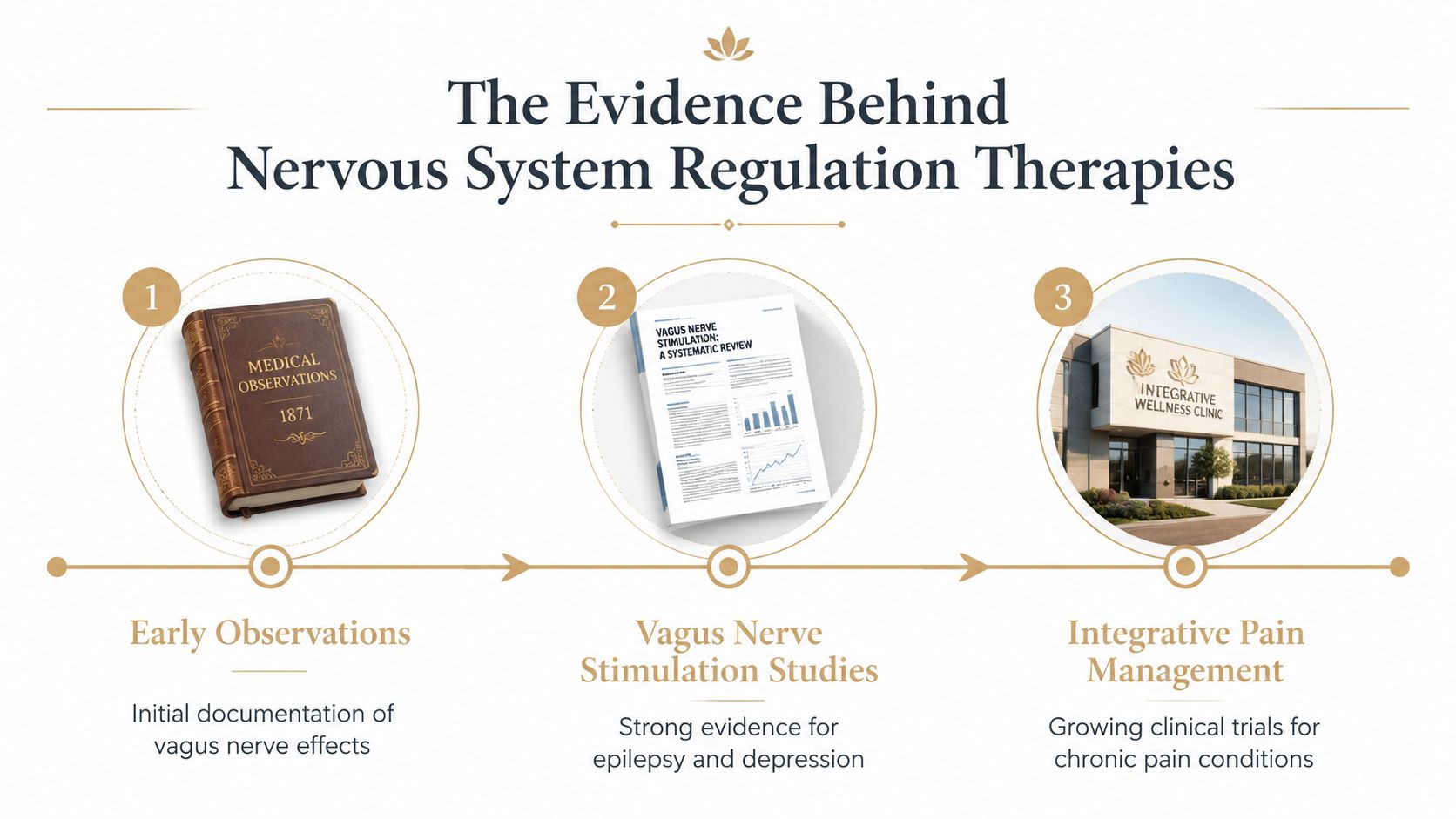
The strongest historical example is vagus nerve stimulation, or VNS. Vagus nerve effects were described in the late nineteenth century, and early physiological observations included EEG-related effects reported in 1938 and thalamic responses shown in 1951. Modern device-based VNS re-emerged in the 1980s when Jacob Zabara developed an implantable approach for refractory epilepsy; the first human implantation occurred in 1988, followed by U.S. Food and Drug Administration approval as an adjunct treatment for medically refractory epilepsy in 1997. VNS later received approval for treatment-resistant depression in 2005, extending its application beyond seizure control (historical development of VNS; review of VNS history and evidence).
A landmark randomized trial involving 310 patients found that VNS reduced seizures by 23% after 3 months, a result that helped support the epilepsy approval (landmark VNS trial summary). The therapy's credibility came from controlled human evidence and measurable physiological effects, not from general claims about feeling balanced.
Pain research is more complicated. A 2024 systematic review found indications that neuromodulation changes autonomic function in chronic pain populations, with overall evidence reaching high or moderate confidence, but the outcome measures varied substantially (2024 autonomic neuromodulation review). When researchers measure different markers in different ways, clinicians can't easily combine the results into one universal treatment recommendation.
For broader neurorehabilitation, readers may also find cognitive rehabilitation with AI useful as an example of how rehabilitation can combine structured exercises with measurement and progression. That work addresses cognitive recovery rather than serving as a pain treatment, but the shared principle is important: define the function you want to improve and track it systematically.
Vagus-nerve-based autonomic regulation research in heart failure has linked stimulation near the nerve's natural operating frequency with reduced heart rate, increased HRV, and improvements in walking distance, quality of life, and left ventricular ejection fraction beyond guideline-directed therapy alone (vagus nerve stimulation in heart failure). These findings show why dose, frequency, tolerability, and objective endpoints matter. They don't prove that the same settings or outcomes apply to every pain condition.
A recent review of chronic musculoskeletal pain reported a pooled pain improvement of 2.32 points on numerical scales, exceeding the minimally clinically important difference, while also concluding that larger randomized trials are needed to establish independent efficacy, optimal settings, and safety (systematic review and meta-analysis in chronic musculoskeletal pain). The practical conclusion is cautious but useful: nervous system regulation therapy may have a role as an adjunct, while current evidence doesn't justify presenting it as a universal replacement for standard care.
The same principle applies when evaluating adjunctive modalities. Before choosing a device or procedure, readers can review the evidence questions discussed in whether MLS Laser Therapy works, particularly the difference between a plausible mechanism and demonstrated benefit for a specific condition.
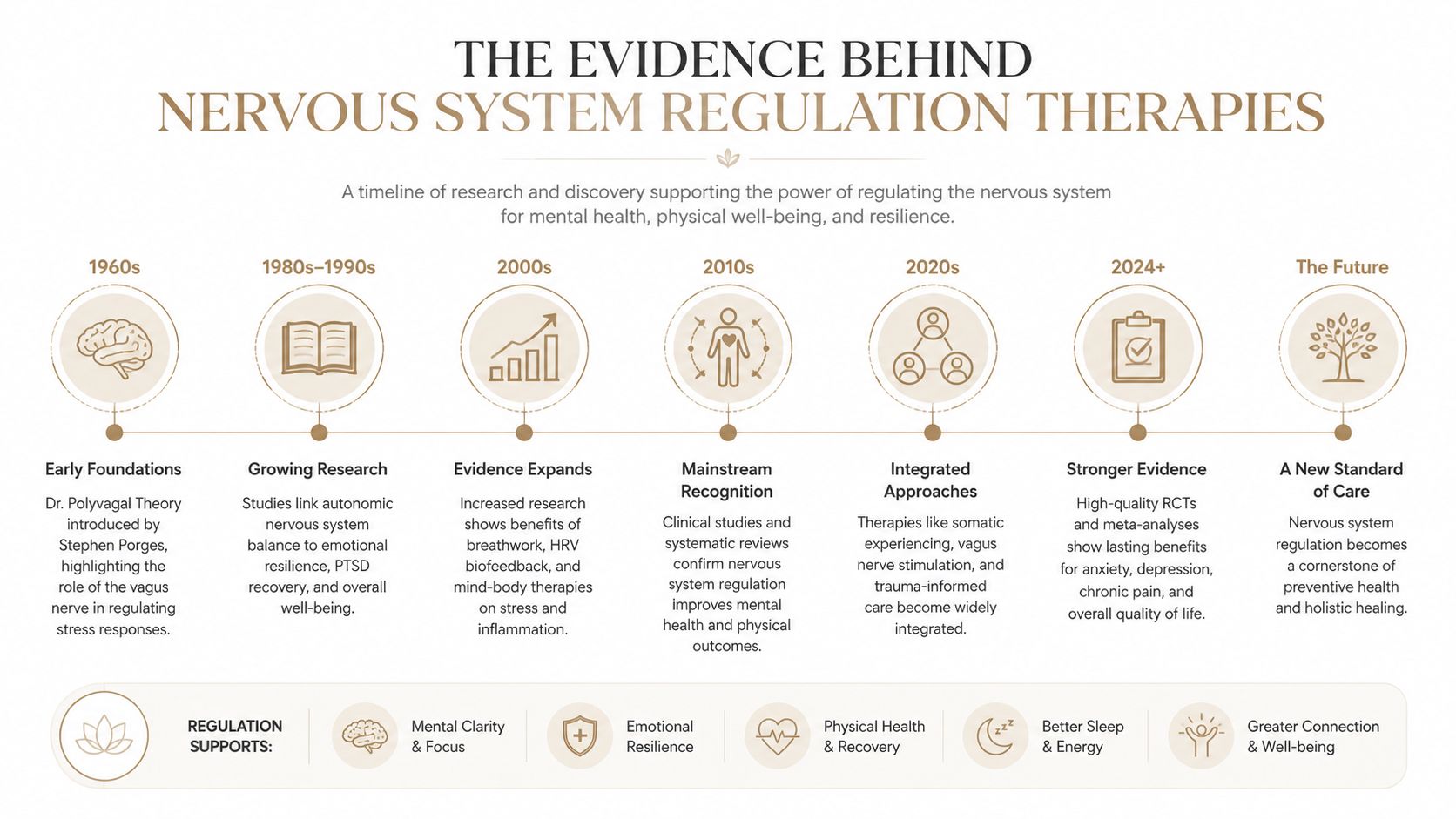
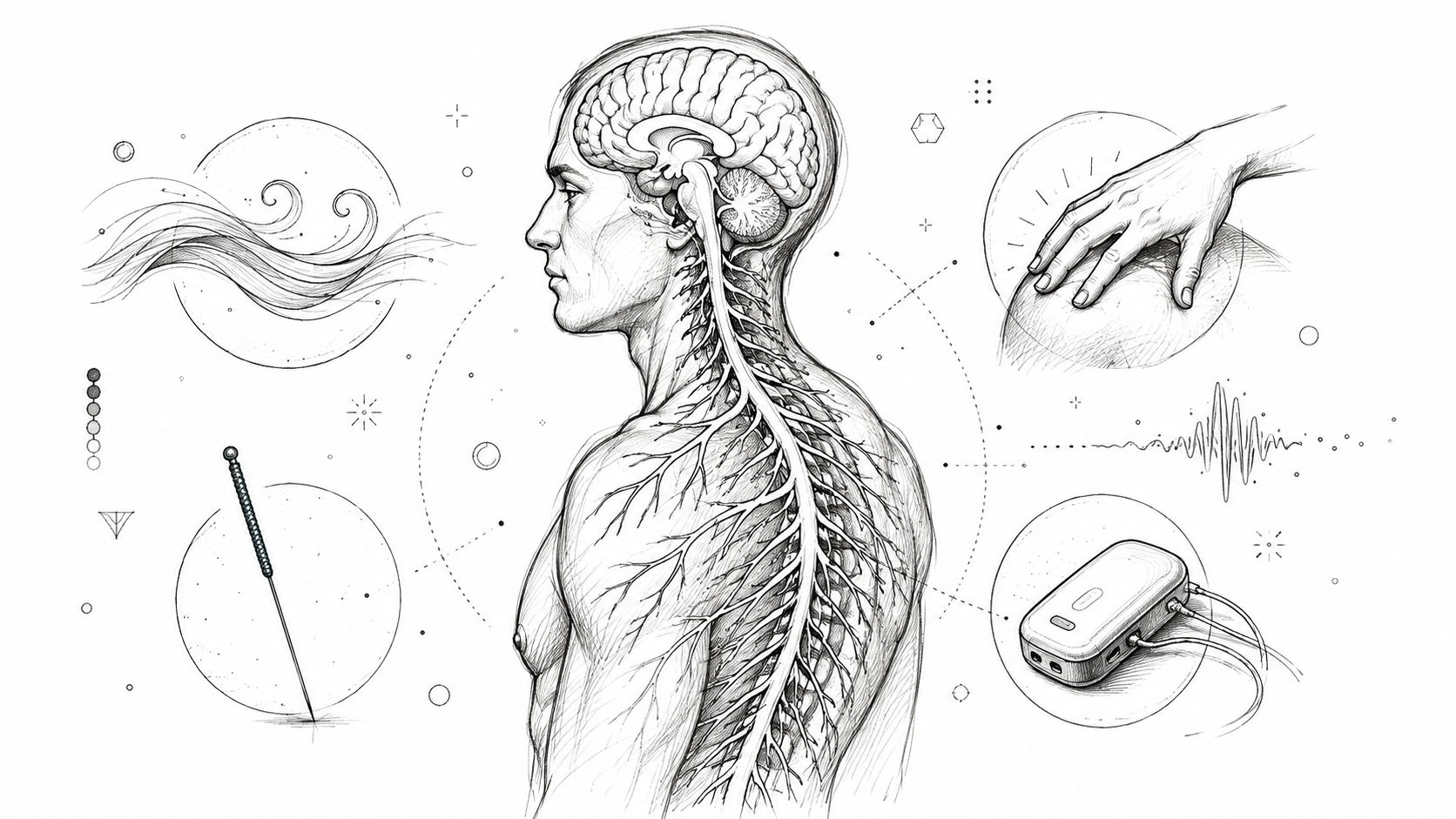
Different modalities influence pain through different routes. Breathwork may change breathing patterns and perceived threat. Manual therapy can alter movement, muscle tone, and sensory input. Acupuncture may modulate pain processing and support functional recovery. Device-based neuromodulation directly targets neural signaling, but its evidence depends heavily on the device, stimulation site, dose, and diagnosis.
| Modality | Primary Mechanism | Best-Suited Conditions | Evidence Level |
|---|---|---|---|
| Breathwork and gentle vagal exercises | Changes breathing, attention, and perceived activation | Stress-related muscle tension and as an adjunct to rehabilitation | Useful supportive strategy, condition-specific pain evidence varies |
| Chiropractic adjustment and manual therapy | Changes joint motion, sensory input, and protective muscle guarding | Selected neck, back, and movement-related conditions | Guideline-supported within multimodal care for some neck and whiplash presentations |
| Acupuncture | Provides sensory stimulation and may support pain modulation and movement | Selected chronic pain and musculoskeletal presentations | Promising, but response and dosing require reassessment |
| Massage therapy | Addresses soft-tissue tension, comfort, and movement tolerance | Muscle guarding, soft-tissue dysfunction, and recovery support | Supportive adjunct, with results dependent on diagnosis and plan |
| SoftWave Therapy | Device-based tissue stimulation used within a broader care plan | Soft-tissue and musculoskeletal complaints | Evidence and application are condition-specific |
| MLS Laser Therapy | Light-based treatment intended to support tissue recovery and inflammation management | Selected soft-tissue and joint complaints | Requires condition-specific evaluation |
| Non-invasive vagus nerve stimulation | Targets vagal pathways and autonomic signaling | Headache and migraine have more consistent support than broad chronic pain use | Moderate-to-high-quality findings in selected areas, broader conclusions remain limited |
| Spinal decompression with the DRX 9000 | Reduces mechanical loading in selected disc-related presentations | Disc-related low back pain and sciatica when clinically appropriate | Evidence for nonsurgical decompression remains mixed and condition-dependent |
For chronic neck pain or whiplash, a plan may prioritize mobility, home range-of-motion work, supervised exercise, soft-tissue care, and carefully selected manipulation. These approaches align with recommendations in the neck pain and whiplash guideline cited earlier. For headache or migraine patterns, targeted non-invasive vagus nerve stimulation may deserve discussion, while the broader evidence doesn't support assuming identical effects for neuropathic or inflammatory pain.
Acupuncture can fit into a staged plan rather than an indefinite schedule. A low back pain guideline recommends reassessing the effect after 3–4 weeks, continuing for 4 more weeks if pain improves, and adjusting frequency from once or twice weekly initially toward less frequent care as the response develops (acupuncture guideline for low back pain). The decision should remain tied to function, not just to completing visits.
For disc-related sciatica, structural assessment matters more than a generic relaxation protocol. For muscle guarding after an accident or sports overuse, massage, mobility therapy, rehabilitation exercise, laser, or SoftWave Therapy may be considered as components of an individualized plan. The question isn't which modality sounds most advanced. It's which intervention addresses the patient's dominant mechanism and can be evaluated.
For a deeper look at how acupuncture may fit chronic pain care, see this guide to acupuncture for chronic pain.
A painful back can become a nervous system problem without being “all in your head.” A disc, joint, tendon, or muscle can generate legitimate tissue signals, while ongoing sympathetic activation increases guarding, vigilance, and sensitivity around the injured area. The result is a two-way interaction between the original mechanical problem and the body's protective response.
A patient with lumbar disc irritation may avoid bending because bending has repeatedly triggered leg pain. That avoidance reduces strength and confidence. Tight hip and back muscles then make ordinary movement feel more demanding, while poor sleep can reduce the person's capacity to tolerate rehabilitation. The pain cycle continues even when the initial injury has begun to change.
This is why an adjustment alone may not be enough for chronic pain, even when it improves motion. The patient may also need massage to reduce soft-tissue restriction, acupuncture to support pain modulation, mobility therapy to restore comfortable movement, and rehabilitation exercise to rebuild capacity.
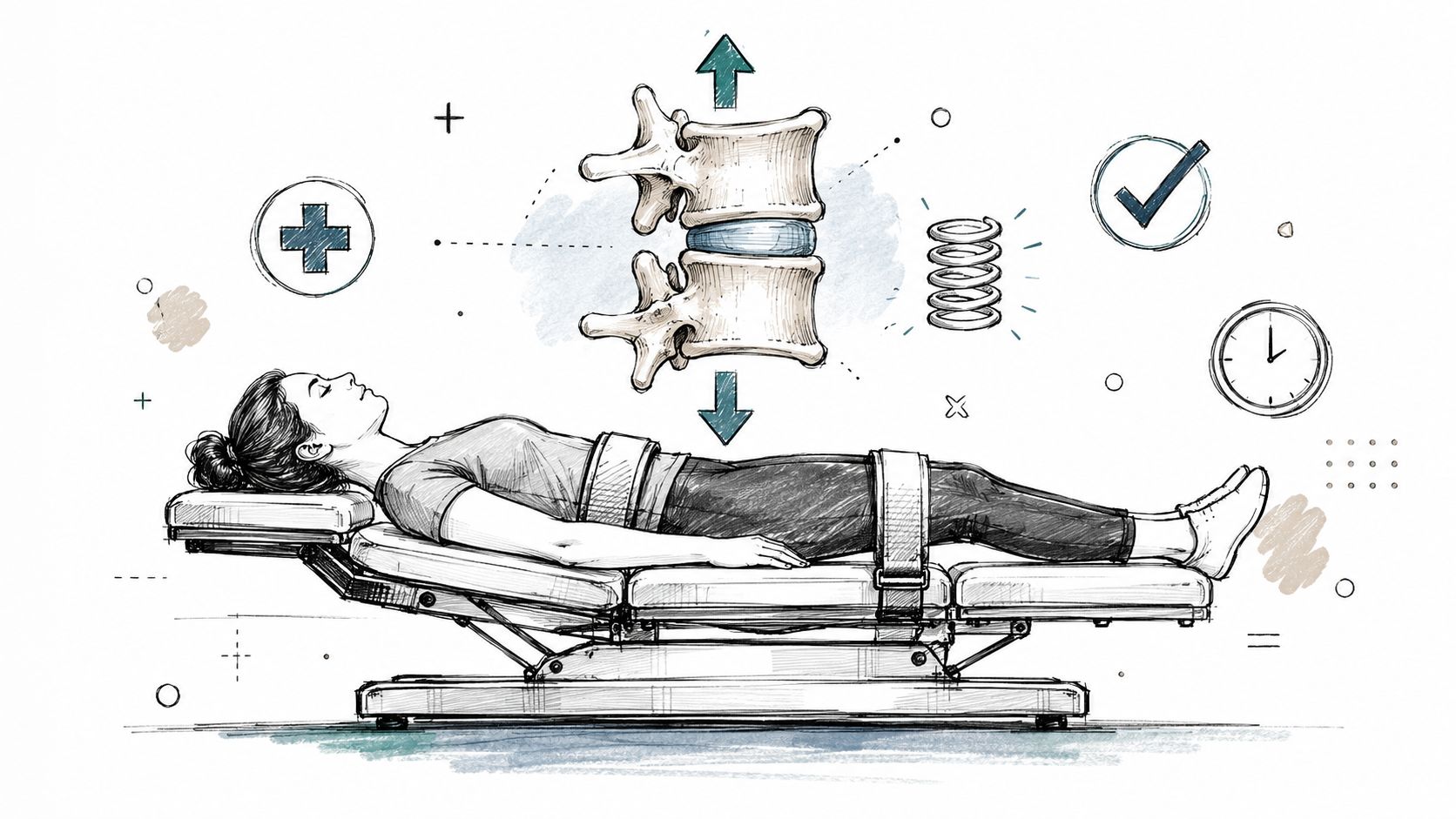
Spinal decompression with the DRX 9000 may be considered when examination findings support a disc-related mechanical component. It should be presented as one part of a clinical plan, not as proof that every back problem results from compression. A systematic review of motorized nonsurgical spinal decompression for chronic discogenic lumbosacral back pain found seven randomized studies averaging 121 patients each, with six of the seven reporting no difference compared with comparison care; the review concluded that efficacy remained unproved (systematic review of motorized spinal decompression).
That evidence calls for selection and reassessment. It doesn't prohibit decompression, but it does argue against treating it as a universal answer. Laser therapy, SoftWave Therapy, acupuncture, massage, chiropractic adjustment, and exercise should also be matched to the patient's findings rather than added as a routine bundle.
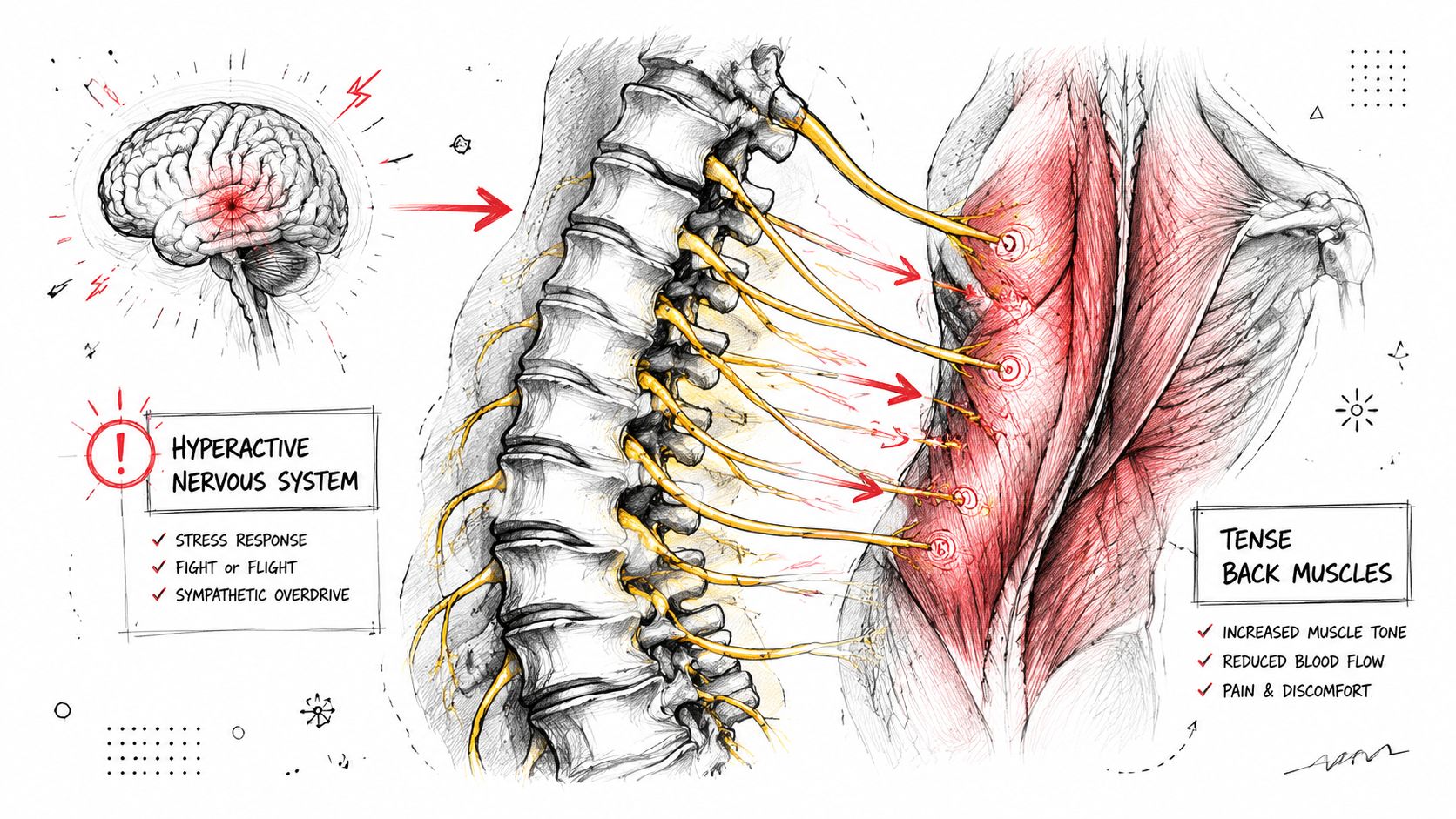
For neck pain, the same interaction may involve restricted rotation, muscle tension, headache symptoms, and postural guarding. For a car accident, the assessment must consider the mechanism of injury, neurological findings, range of motion, and functional limitations before selecting care.
Treatment selection should begin with a clinical question, not a favorite modality. Ask what is driving the pain, how long it has been present, what movements worsen it, whether symptoms travel into an arm or leg, and what has already been tried.
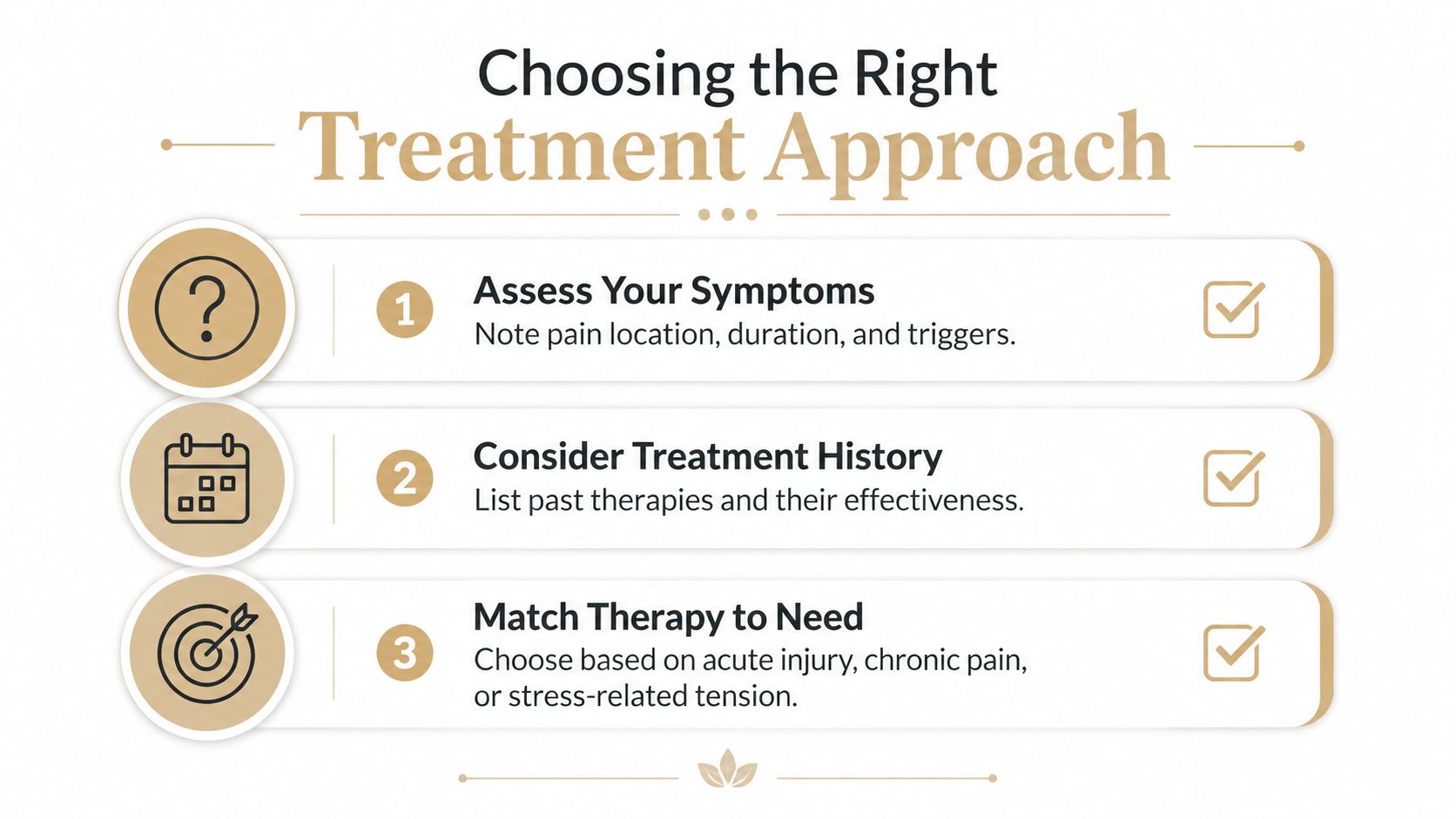
An initial examination should consider strength, sensation, reflexes, range of motion, gait, posture, muscle function, and the relationship between symptoms and activity. X-ray or MRI referral may be appropriate when the history and examination indicate that imaging could clarify the diagnosis or guide referral.
A useful plan identifies both the structural and regulatory components. For example, a person with sciatica may need evaluation for nerve involvement and disc-related pathology, while also needing gradual movement exposure, sleep support, and exercise that reduces fear of activity.
The schedule should change as the patient changes. Acute injuries often require protection and frequent reassessment, while chronic conditions may need slower progression and more emphasis on home exercise. A proposed plan should state how clinicians will evaluate response, when they'll reassess, and what happens if the expected improvement doesn't occur.
Pain scores matter, but they don't tell the whole story. Track walking distance, sitting tolerance, sleep quality, range of motion, lifting ability, work participation, medication changes, and confidence with movement. When autonomic regulation is a treatment goal, clinicians may also use consistent heart-rate or HRV measures, recognizing that those markers require careful interpretation.
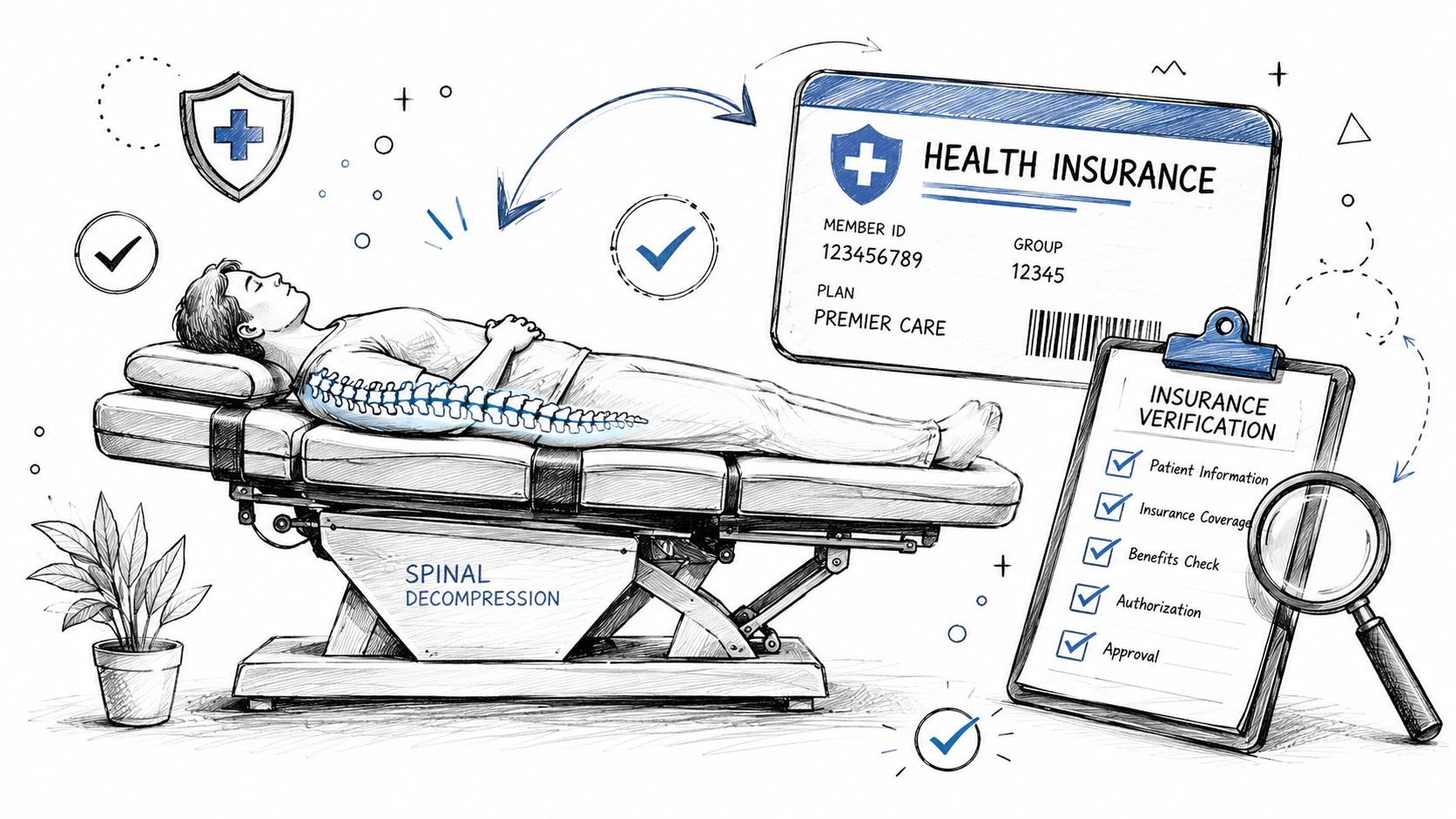
Ask how chiropractic care, acupuncture, massage, mobility therapy, nutrition counseling, and rehabilitation exercise will be coordinated. Also ask about insurance participation, expected out-of-pocket costs, visit frequency, and referral plans if the condition falls outside the clinic's scope.
Consider a representative patient with chronic low back pain and sciatica. The initial assessment identifies radiating symptoms and mechanical findings that may involve disc-related nerve irritation, along with guarded movement, poor sleep, and heightened concern about bending. The plan combines carefully selected spinal decompression with the DRX 9000, chiropractic adjustment when appropriate, acupuncture, massage, and a progressive corrective exercise program.
Progress isn't judged only by whether pain disappears after a visit. The team tracks sitting and walking tolerance, leg symptoms, range of motion, sleep, exercise participation, and the patient's ability to recover after activity. Readers interested in broader coordination can review this overview of multidisciplinary pain management. For stress and body-awareness practices that may complement physical care, nervous system regulation techniques offer additional context, although they shouldn't replace evaluation of neurological or structural symptoms.
The right provider should explain the working diagnosis, why each modality is included, what improvement will be measured, and when the plan will be revised. That transparency is more useful than a promise of instant regulation.
Aspen Falls Wellness offers chiropractic care, spinal decompression with the DRX 9000, acupuncture, massage therapy, MLS Laser Therapy, SoftWave Therapy, mobility therapy, rehabilitation exercise, nutrition counseling, and condition-specific plans for back, neck, sciatica, sports, and car accident injuries. Visit Aspen Falls Wellness in Salt Lake City or Sandy to request an evaluation and discuss an integrated approach to pain and nervous system regulation.

Stay updated with the latest chiropractic news and exclusive offers.