Learn how protein for healing supports tissue repair, the right intake targets, best food and supplement sources, and how it pairs with chiropractic care.



You've been showing up for treatment, completing the exercises, and noticing that the sharp flare-ups are settling. Yet your back still feels weak, your neck tires quickly after a car accident, or the strained muscle doesn't tolerate normal activity. That plateau is frustrating, especially when the clinical plan seems to be working everywhere except in your day-to-day strength.
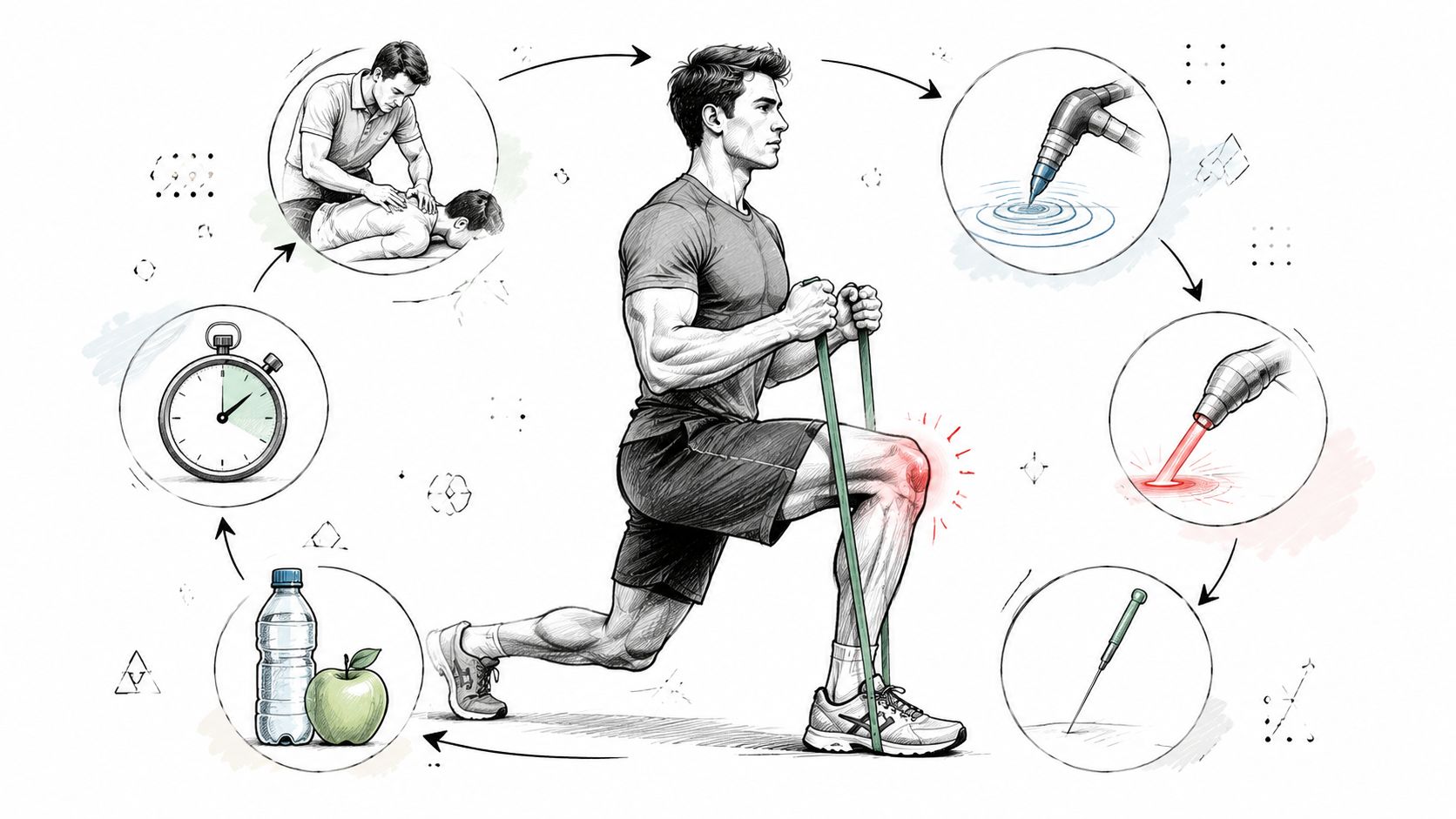
Protein often becomes the overlooked input. Manual therapy, chiropractic adjustment, spinal decompression, laser therapy, and rehabilitation exercise can help create better conditions for movement and recovery, but your body still needs amino acids to rebuild tissue. Protein for healing isn't a food-list challenge. It's a dosing and distribution strategy that should match the injury, your overall health, and the treatment load you're asking your body to handle.
A typical clinic day may include an adjustment, massage therapy, mobility work, or a session on the DRX 9000 for spinal decompression. You leave moving more freely, and your pain may be lower. Then you return home, do your exercises, eat lightly because your appetite is poor, and go to bed. The treatment addressed movement and mechanical stress, but your diet may not have supplied enough material for the next stage of repair.
That pattern appears in people with lumbar disc problems, post-accident whiplash, sports strains, and chronic soft-tissue stiffness. It also appears in adults who spend much of the day sitting, skip breakfast, or rely on a single protein-heavy dinner after eating very little during working hours.
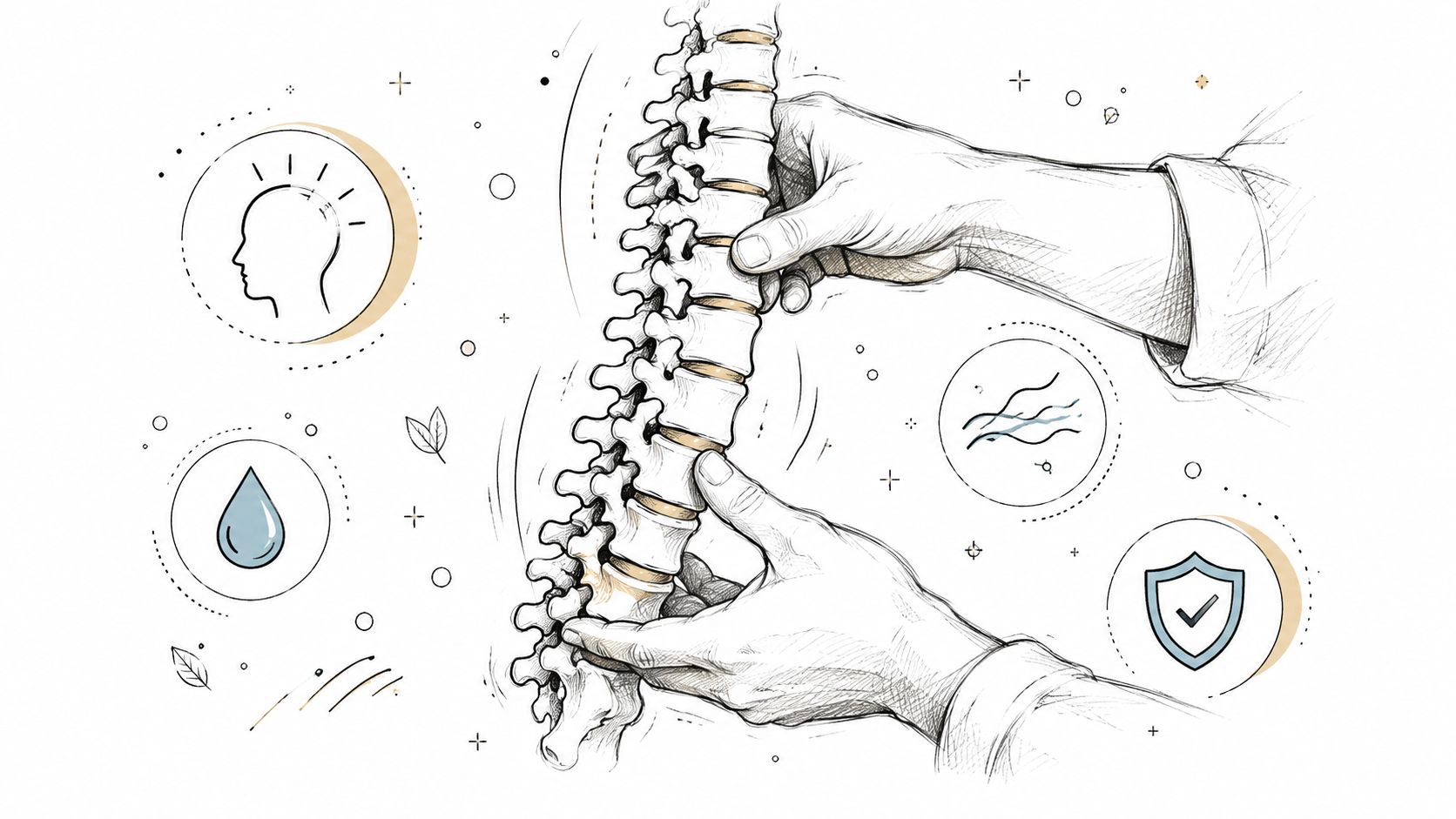
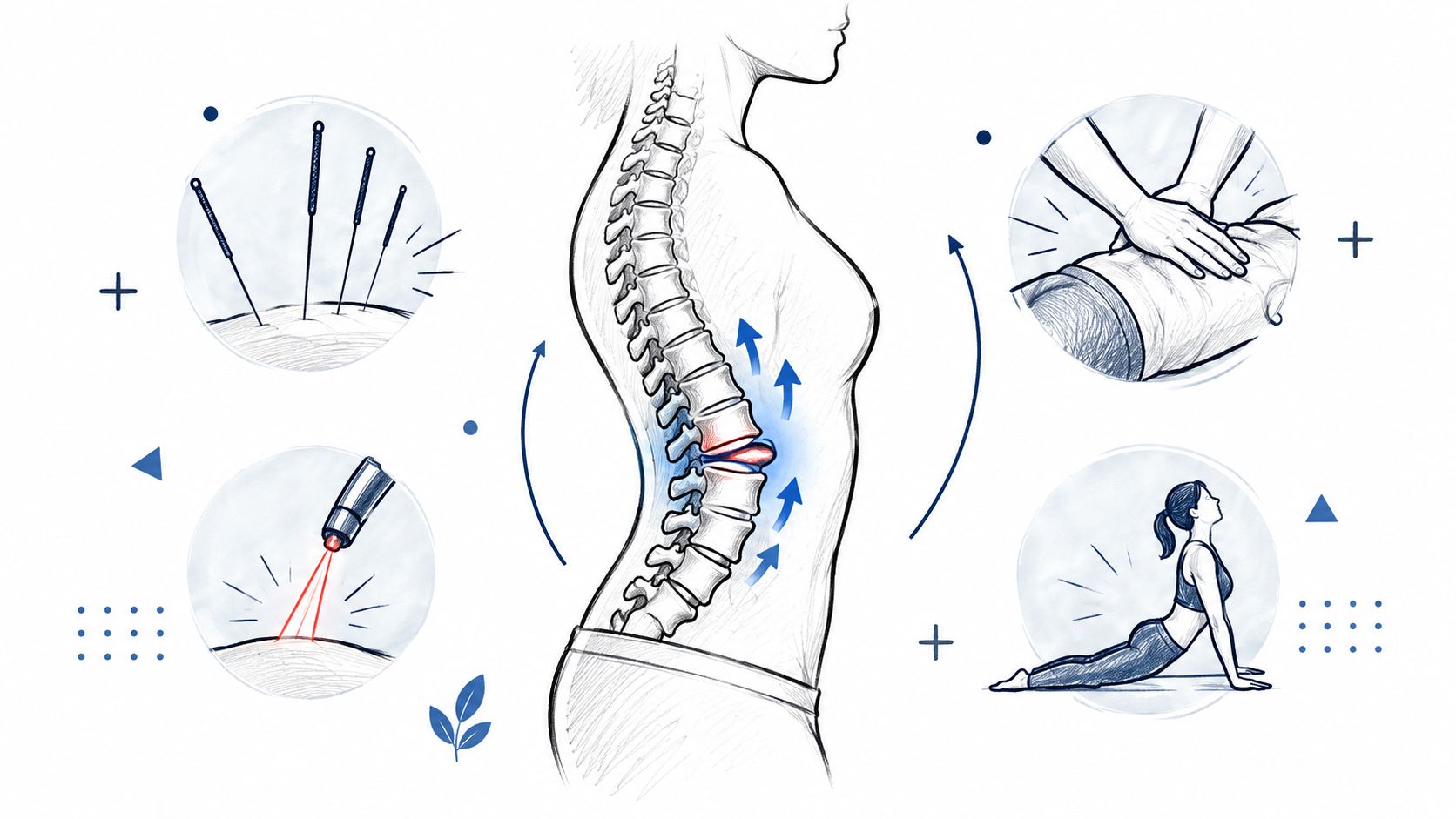
A chiropractic adjustment may improve joint motion and reduce the irritation associated with restricted movement. Decompression may be used for selected disc-related conditions, while MLS Laser Therapy and SoftWave Therapy can form part of a broader plan focused on tissue stimulation and symptom control. Massage therapy and mobility therapy address soft-tissue function, and home exercises give the body a reason to retain those gains.
Those interventions matter, but they don't supply the amino acids needed for collagen, muscle remodeling, immune activity, and connective-tissue repair. Therapy provides a stimulus. Food provides the raw materials. If the daily intake is consistently low, the body may have difficulty supporting both normal function and repair.
Practical rule: If treatment is progressing but strength, tolerance, or tissue closure is lagging, assess protein intake before assuming the therapy has stopped working.
Patients often ask whether one shake after treatment will fix the problem. It won't if the rest of the day contains minimal protein. Recovery depends more on meeting an appropriate daily target and distributing that intake than on chasing a single perfect product or moment.
The sections that follow connect the target to the type of injury, then turn the numbers into meals, snacks, therapy-day routines, and clinical checkpoints. The same reasoning applies whether you're rebuilding after a strain, managing chronic stiffness, recovering from whiplash, or protecting function while a disc problem is treated conservatively.
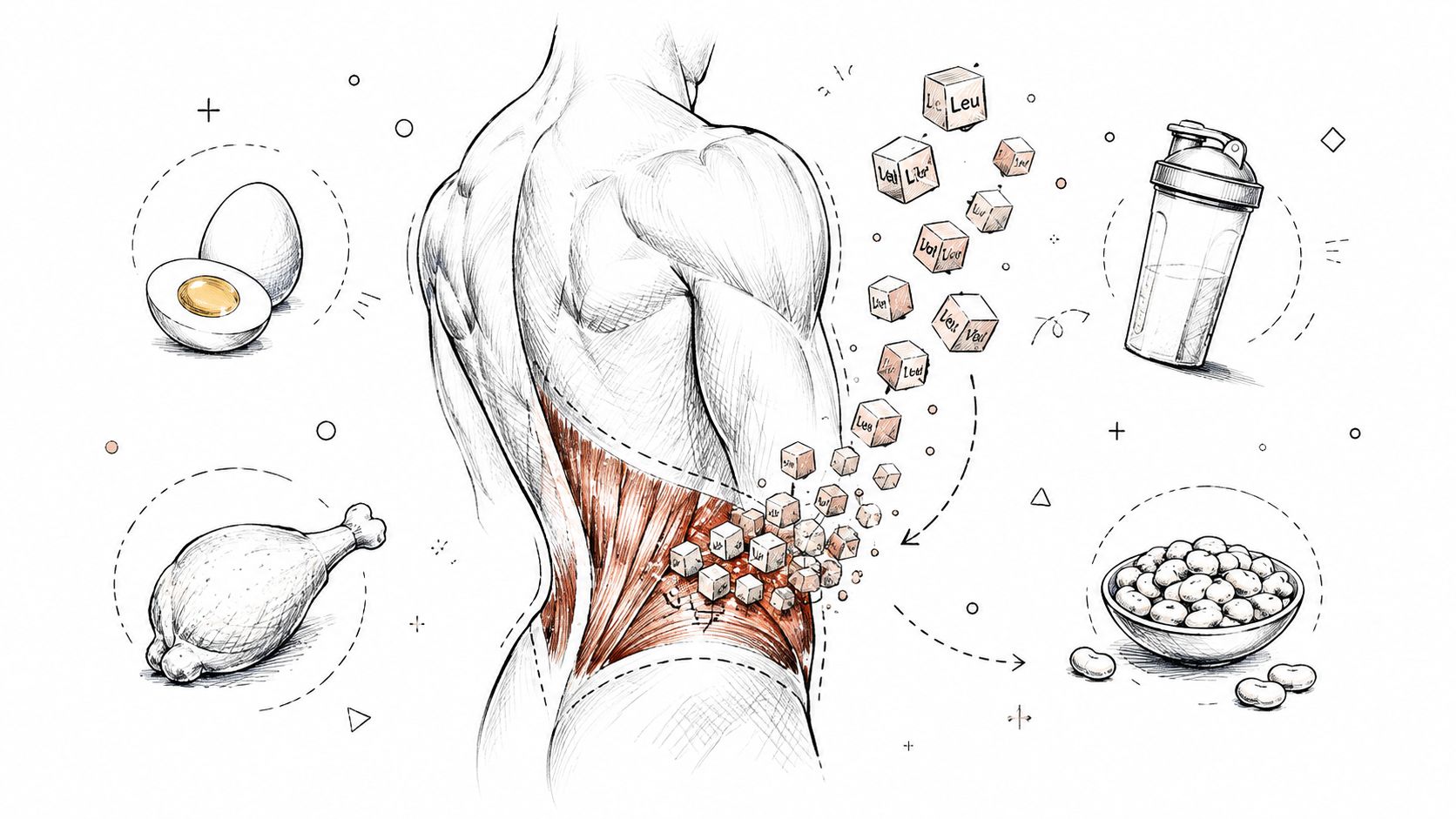
Protein is broken into amino acids during digestion. Those amino acids enter the bloodstream and become the materials your body uses to build and repair structures, while also supporting the cellular processes that coordinate the work.
A useful analogy is a construction site. A chiropractic adjustment, decompression session, laser treatment, or exercise plan may improve access to the site and organize the work. None of those steps delivers lumber, fasteners, or skilled workers. Amino acids are part of both the building material and the workforce that assembles new tissue.
Collagen formation gives healing connective tissue structure. Collagen helps form the framework used in skin, tendons, ligaments, fascia, and other connective tissues. A wound or irritated soft-tissue area can't progress from early repair toward stronger tissue without producing and organizing that framework.
Angiogenesis, the growth of new blood vessels, helps deliver oxygen and nutrients to areas that are rebuilding. This matters during wound repair and in tissues adapting to the demands of rehabilitation.
Epithelialization describes the process of closing and restoring the surface of a wound. Cells need amino acids to multiply, migrate, and form the covering that protects the underlying repair site.
Immune-cell activity helps the body manage debris, defend against infection, and coordinate inflammation. Protein therefore supports more than muscle. It contributes to the cellular response that makes organized healing possible.
The familiar 0.8 g/kg/day allowance was established for healthy adults, not as a universal prescription for people dealing with injury, surgery, chronic wounds, or significant exercise stress. Contemporary recovery guidance commonly moves above that baseline because tissue repair increases the body's demand for amino acids. Reviews of wound care describe protein as necessary for collagen formation, angiogenesis, epithelialization, and immune-cell activity, while sports nutrition reviews connect adequate intake with muscle remodeling and strength preservation.
For a practical introduction to food choices around training and repair, this muscle recovery nutrition guide offers a useful companion resource. The important clinical point is simple: the target changes when the body is repairing, and it should be set according to the type and severity of the problem.
A person rebuilding muscle after a strain needs a different protein plan from someone healing a significant wound. Set the target according to the tissue involved, physical stress, catabolic burden, appetite, and clinical oversight.
For muscle recovery, review evidence commonly places intake at 1.2 to 1.6 g/kg/day. Some sports nutrition guidance extends this to 1.4 to 2.0 g/kg/day, particularly when protein is paired with exercise (review evidence). Wound healing and post-surgical repair commonly fall within 1.2 to 1.5 g/kg/day (pressure-injury guidance).
Severe wounds, burns, or heavy wound exudate may require 2.0 to 3.0 g/kg/day, but those levels belong under medical supervision rather than self-prescribing. A chronic-wound nutrition review also places optimized intake around 1.25 to 1.5 g/kg/day for appropriate patients, reflecting amino-acid demands for collagen production, blood-vessel growth, epithelialization, and immune activity (chronic-wound review).
| Recovery Context | Typical Target | Common Conditions |
|---|---|---|
| Muscle and strength recovery | 1.2 to 1.6 g/kg/day, with some sports guidance at 1.4 to 2.0 g/kg/day | Sports strain, resistance rehabilitation, muscle rebuilding |
| Wound or post-surgical repair | 1.2 to 1.5 g/kg/day | Chronic wound, pressure injury, post-surgical healing |
| Severe injury or burn-level stress | Up to 2.0 to 3.0 g/kg/day under medical supervision | Severe wound, burn, heavy exudate, major protein loss |
For a lumbar disc problem, whiplash, or chronic soft-tissue pain without an open wound, a clinician may start with the muscle-recovery range, especially when progressive exercise is part of care. A sports strain often fits the same band. The upper end becomes more relevant as training stress and lean-tissue demands rise.
A wound or surgical incision belongs in the wound-healing range. Diagnosis, appetite, age, mobility, and other medical conditions still determine the final target. Chiropractic adjustments, DRX9000 decompression, MLS laser, SoftWave therapy, and home rehabilitation may support the broader recovery plan, but none replaces adequate nutrition or changes the need to match protein intake to the injury.
Calculate the range from body weight, then review it with a qualified clinician if you have kidney disease, significant metabolic illness, poor appetite, or a complex wound. The number starts the conversation. It does not replace diagnosis.
Reaching the daily protein target matters, yet recovery also benefits from distributing protein across waking hours. Evidence syntheses describe roughly 0.25 to 0.40 g/kg per meal, or about 20 to 40 g per meal for many adults, as a practical range for stimulating post-exercise muscle protein synthesis (distribution review).
Meal size does not need to be identical each time. A large dinner should not carry the full day's intake. Protein at breakfast, lunch, dinner, and one or two snacks gives the body repeated opportunities to support tissue and muscle remodeling.
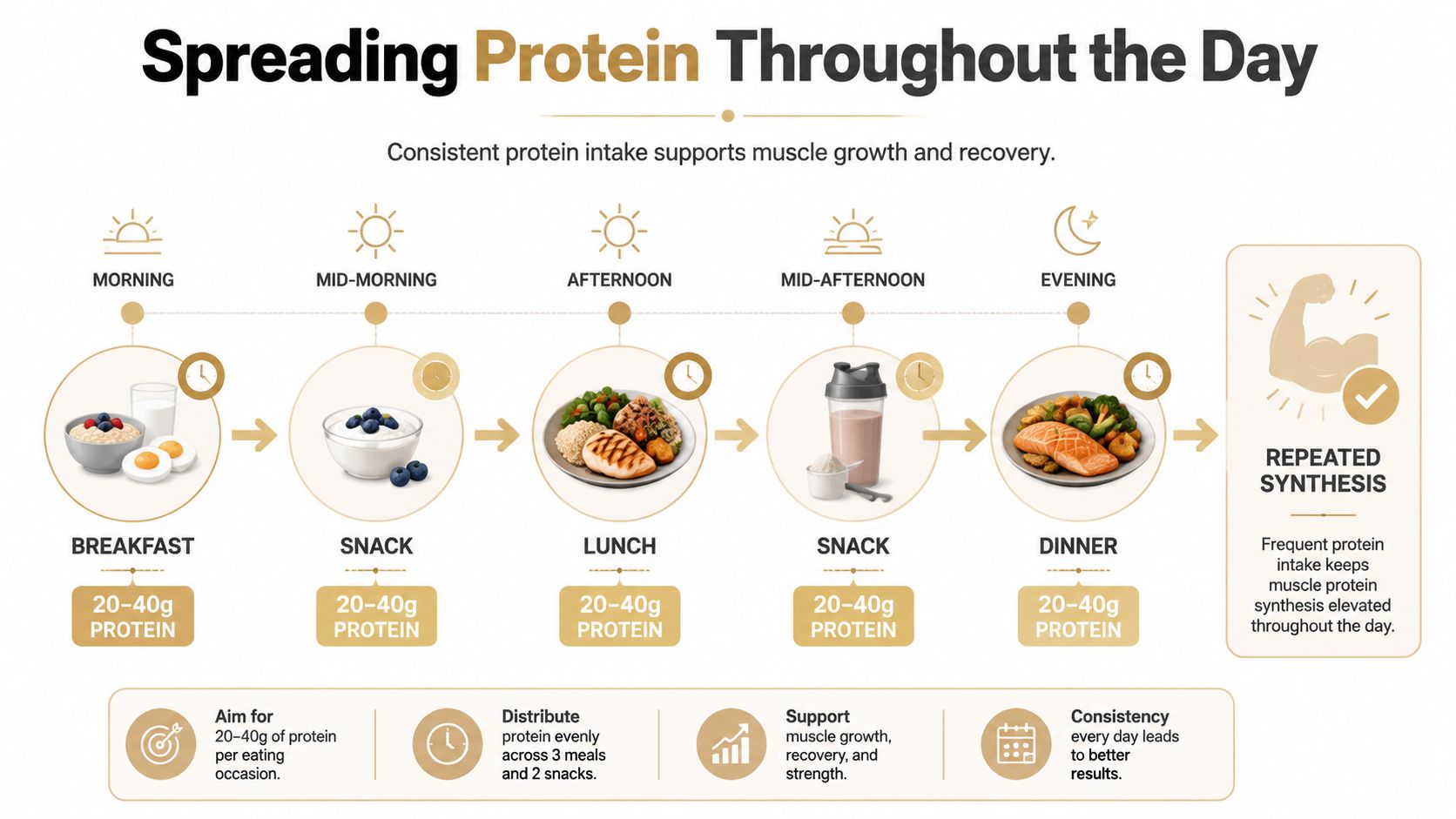
Before spinal decompression, MLS Laser Therapy, SoftWave Therapy, or home rehabilitation exercise, choose a balanced meal or snack with protein and enough carbohydrate to support the session. Yogurt with another carbohydrate source, eggs with whole-grain toast, or a bean-and-grain bowl can fit, depending on tolerance and dietary preference.
After an adjustment, DRX9000 decompression session, laser or SoftWave treatment, or rehabilitation appointment, eat a normal recovery meal within a couple of hours. The session does not require an oversized supplement. Include a complete protein source, carbohydrate, fluids, and foods that digest comfortably.
Peri-exercise protein may help preserve strength and lower creatine kinase after resistance exercise, although evidence does not consistently show less soreness. Reviews also report no clear relationship between protein supplements and improved muscle-function recovery or reduced soreness after endurance or resistance exercise (timing review). Consistency beats the search for a magic post-session window. Timing should support the clinic schedule, appetite, and total intake rather than compete with them.
A gram target becomes useful only when it can survive real meals, appetite changes, digestive limits, and personal preferences. Whey, dairy, eggs, poultry, fish, and other complete animal proteins generally provide a strong amino acid profile and substantial leucine, an amino acid that helps signal muscle protein synthesis.
Plant proteins can also fit a recovery plan. Pea, rice, and hemp sources vary in amino acid balance and digestibility, so a blended plant product or a combination of legumes and grains may be more practical than relying on one plant source at every meal. The trade-off is planning. A person avoiding dairy may need larger or more deliberately combined servings to reach the same muscle-building signal.
Collagen peptides are often attractive to patients focused on tendons, joints, skin, or connective tissue. Collagen supplies amino acids used in connective-tissue structures, but it doesn't provide the same complete, leucine-rich profile as whey or a complete meal. Use collagen as a complement, not a replacement for the protein serving that supports muscle remodeling.
Recent reviews suggest protein-enriched oral formulas can support wound healing, but results vary by wound type. A 2024 systematic review reported stronger performance from antioxidant-enriched, protein-rich formulas than from non-enriched protein alone in diabetic foot and pressure ulcers, while arginine wasn't consistently decisive (systematic review). That finding supports a broader clinical view: calories, micronutrients, antioxidants, and the total diet may matter alongside protein quantity.
For individualized meal planning, nutrition counseling at Aspen Falls Wellness can help align the target with tolerance, preferences, and the demands of rehabilitation.
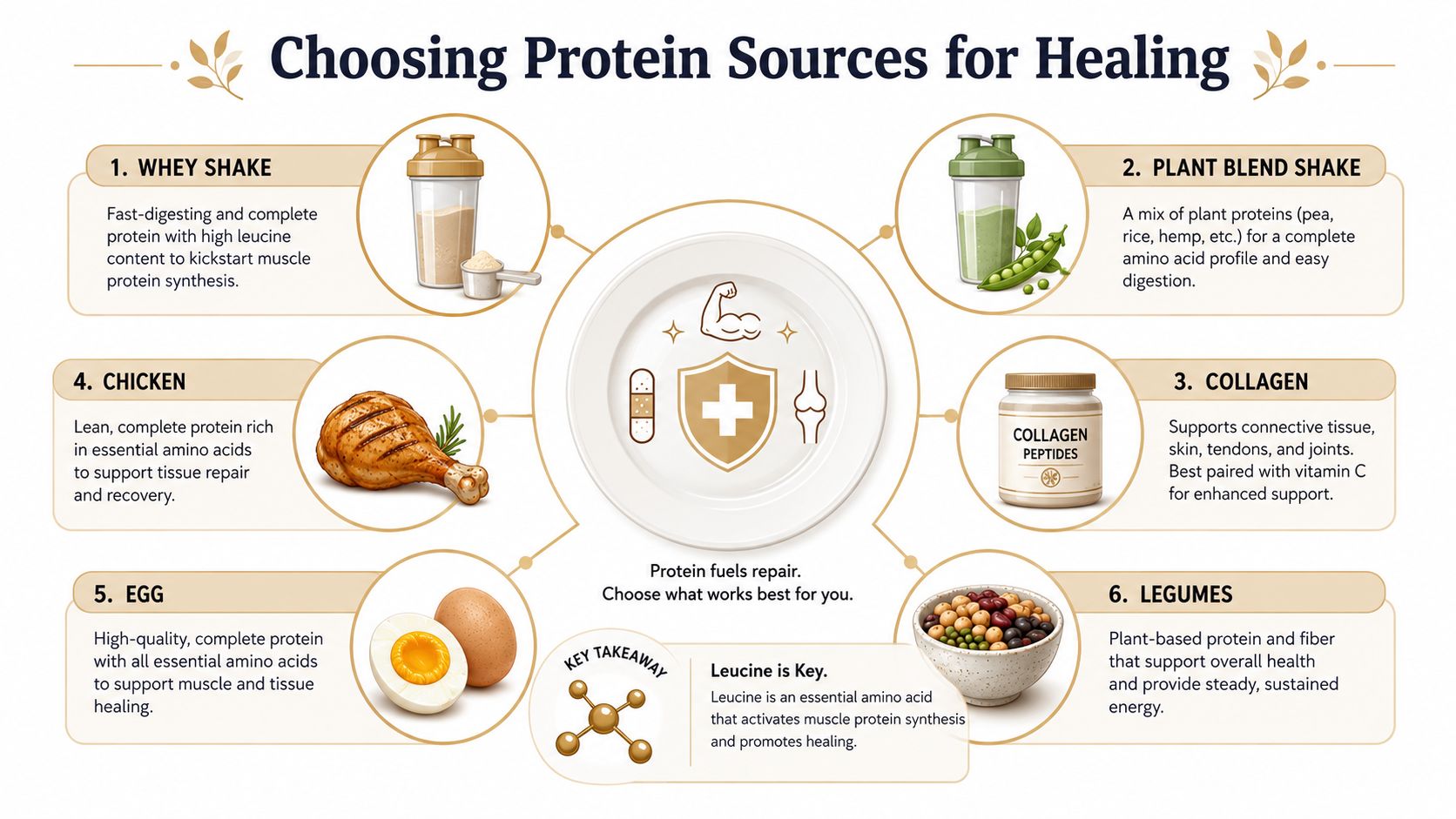
Food-first day: Breakfast might include eggs and dairy, lunch could combine poultry or fish with grains and vegetables, a snack could use yogurt, and dinner could feature legumes with a complete complementary grain. This approach works when appetite and meal preparation are reliable.
Food plus one shake: Keep the same meal structure, then use one targeted whey or plant-blend shake when a meal is rushed, appetite is low, or the therapy schedule makes cooking difficult. The shake fills a gap. It doesn't replace varied meals, adequate energy, or clinical nutrition assessment.
For many recovery plans, the decision rule is straightforward: choose a complete protein at each main meal, use plant blends strategically when needed, and reserve collagen for a complementary role.
Nutrition works best when it follows the same logic as the clinical plan. A thorough examination establishes the diagnosis and tolerance for care. From there, the team can combine chiropractic adjustment, realignment strategies, spinal decompression with the DRX 9000, soft-tissue work, modalities, and rehabilitation exercise according to the source of pain and the patient's response.
A person with disc-related symptoms may receive targeted adjustments and DRX9000 decompression as part of a non-surgical plan. Someone with post-accident neck pain may need careful assessment, massage therapy, mobility therapy, acupuncture, and progressive exercise. An athlete returning from a strain may use MLS Laser Therapy, SoftWave Therapy, muscle stimulation, mobility work, and a personal exercise plan. Protein supplies the daily amino acids that support the remodeling those activities are intended to stimulate.

A protein-containing meal before a decompression or rehabilitation session can prevent the appointment from occurring after a long period without food. A recovery-focused meal afterward gives the body another opportunity to receive amino acids, but the larger goal remains a well-distributed daily intake.
Home care matters just as much. Massage or an adjustment may improve movement temporarily, while mobility therapy and corrective exercise teach the body to use that movement. The therapeutic exercise guidance can help patients understand why the home component matters.
Aspen Falls Wellness offers chiropractic care, DRX 9000 spinal decompression, MLS Laser Therapy, SoftWave Therapy, massage, acupuncture, mobility therapy, rehabilitation exercise, and nutrition counseling within its musculoskeletal services. The practical advantage of coordination is that the protein target can be discussed alongside diagnosis, appetite, digestive tolerance, exercise volume, and changes in function.
Protein won't correct nerve compression, replace an examination, or make an unsuitable exercise plan safe. It supports the plan when the clinical team has identified what the tissue needs and how much loading the patient can tolerate.
The most common error is concentrating the entire intake into one meal. Eating a very large protein dinner doesn't provide the same repeated stimulation as spreading protein across several meals and snacks. Use the meal-level range described earlier, then adjust portions to meet the daily target.
A second mistake is treating 0.8 g/kg/day as a recovery prescription. That baseline was intended for healthy adults, while healing tissue and active rehabilitation can require more. Use the injury-specific ranges, not the lowest general allowance, and review the result with a clinician when the injury or medical history is complicated.
Older adults may need the same recovery-focused attention to protein as other patients, but hydration, appetite, kidney function, and other conditions still shape the safe plan. A person with poor appetite may need smaller meals, while someone with digestive intolerance may need different sources or professional nutrition support.
Protein also isn't a substitute for adequate overall energy. If carbohydrate and total calorie intake are too low, the body may use protein for fuel rather than reserving it for repair. If soreness, strength loss, function, or wound closure isn't tracking after several weeks, don't respond by adding more protein alone. Reassess the diagnosis, treatment load, sleep, energy intake, medication factors, and wound status with a clinician.
Start with the injury profile. A sports strain, chronic soft-tissue problem, lumbar disc condition, whiplash injury, wound, and post-surgical recovery don't automatically share the same target. Use the earlier table to identify a starting range, then have a clinician refine it when your condition, medications, kidney health, or appetite creates additional risk.
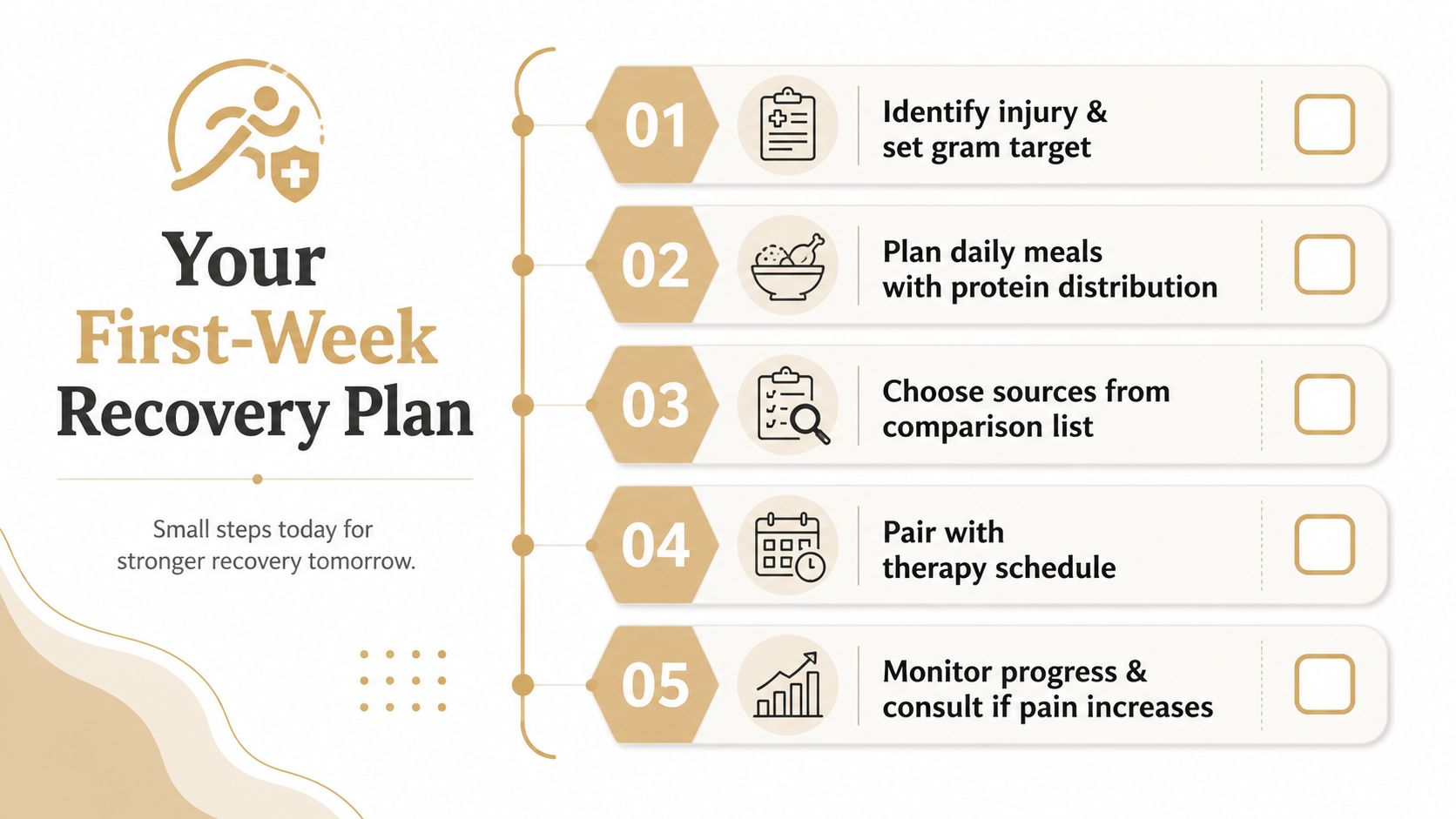
Bring the plan into the clinical conversation if pain worsens, a wound stalls, function stops improving, you experience unintended weight loss, or new symptoms appear. The recovery guidance from Aspen Falls Wellness can complement that discussion, but it shouldn't replace an examination when progress changes.
Integrated care works best when nutrition, manual therapy, device-based modalities, and home exercise are coordinated rather than pursued as disconnected fixes.
Visit Aspen Falls Wellness to discuss protein intake alongside chiropractic adjustment, DRX 9000 spinal decompression, MLS Laser Therapy, SoftWave Therapy, mobility work, and rehabilitation exercise. The team can assess your condition, coordinate treatment, and provide nutrition counseling that fits your diagnosis, tolerance, and recovery goals.

Stay updated with the latest chiropractic news and exclusive offers.