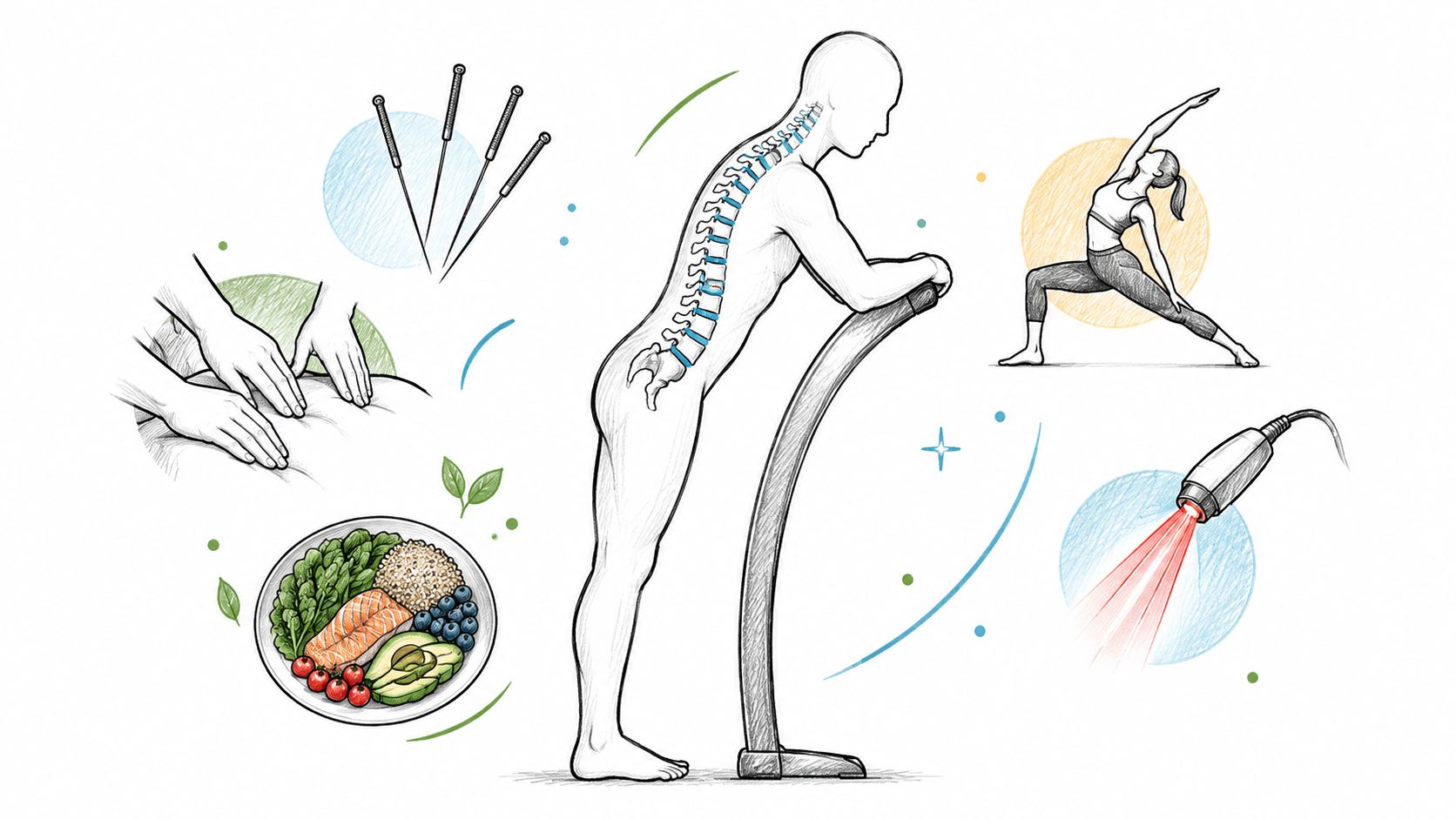
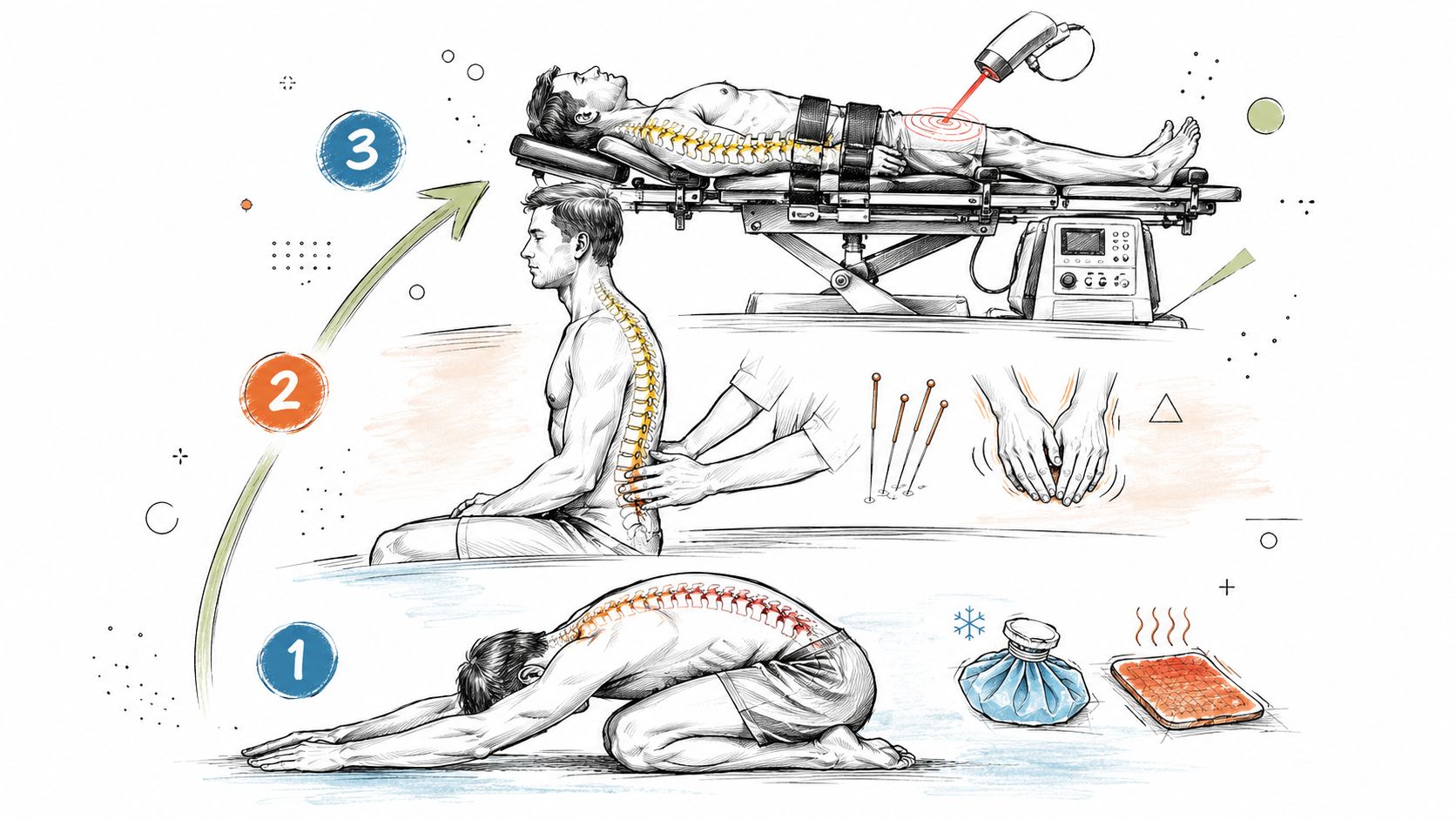
Understand spinal stenosis and sciatica pain, from nerve compression causes to non-surgical treatments like DRX9000 decompression and laser therapy.
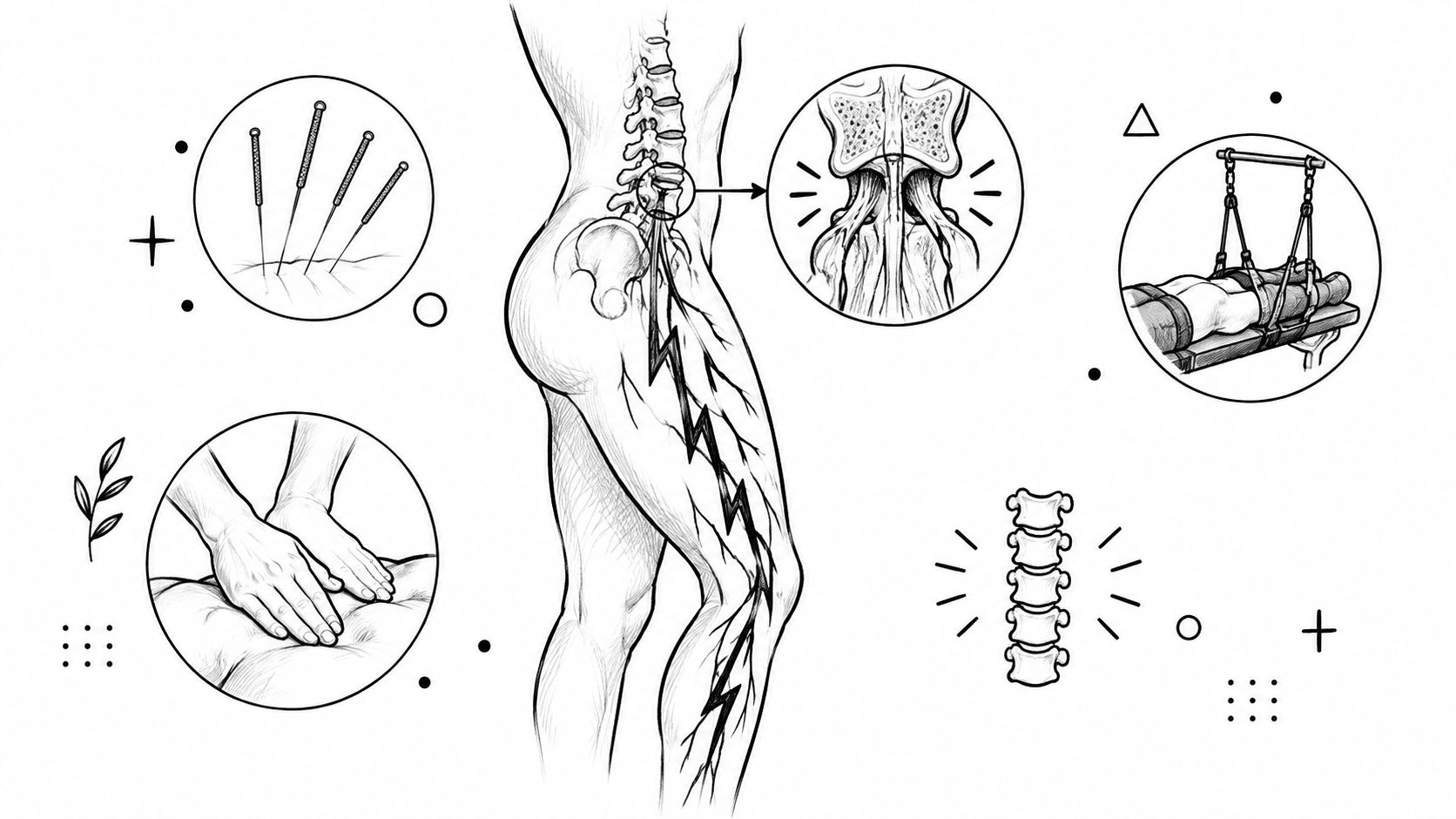
You walk through a grocery store and your low back feels manageable, but your calf starts burning before you reach the next aisle. You stop, lean over the cart, and the leg pain eases. Later, sitting in the car feels better than standing at the kitchen counter. That pattern is frustrating, but it also provides useful clinical information.
Spinal stenosis and sciatica pain often overlap, yet they aren't identical problems. One may involve a disc irritating a single nerve root, while the other may involve age-related narrowing that crowds several nerve structures during standing and walking. The right plan starts by identifying which pattern your body is showing, then matching treatment to the mechanical and inflammatory drivers involved.
You may stand at the kitchen counter without much trouble, then develop burning, tingling, heaviness, or weakness in one or both legs. Sitting or bending forward may ease it. That relief reflects a mechanical change: lumbar flexion can create more room around crowded nerve structures, even though the underlying narrowing remains.
Lumbar spinal stenosis is a reduction in the space available within the lower spinal canal or the openings where nerves exit. The cauda equina, a bundle of nerve roots, passes through the canal before individual nerves travel through the foramina. Disc protrusion, vertebral slippage, and enlarged arthritic facet joints can all reduce that space, as described in this clinical review of lumbar spinal stenosis mechanics.
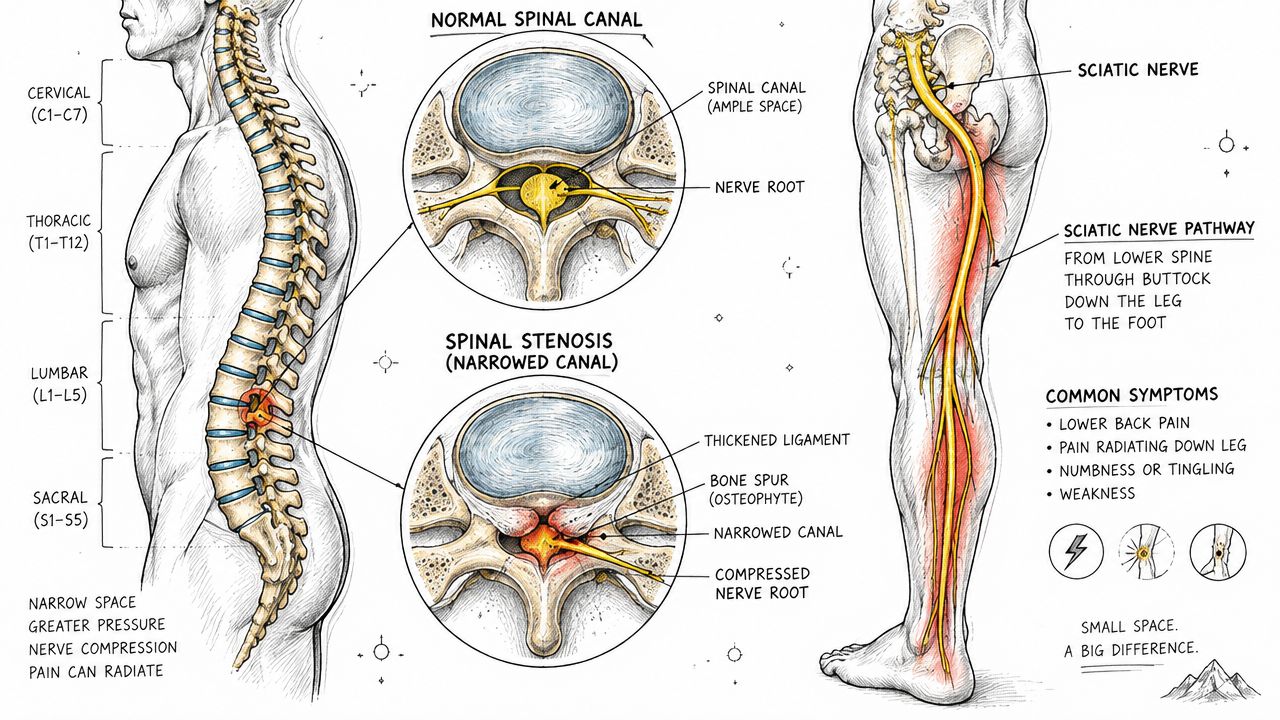
Nerve symptoms involve more than direct contact between bone, disc tissue, and a nerve. Compression can reduce nerve-root blood flow and contribute to ischemic conduction failure. Local swelling, or edema, further limits the available space. Burning pain, pins and needles, numbness, and weakness may become more noticeable while you remain upright.
Sciatica describes a radicular pain syndrome along the L4 to S3 sciatic-nerve pathway. A herniated or bulging lumbar disc is the most common cause, while stenosis becomes a significant alternative, particularly with age. Lifetime incidence estimates range from 13% to 40%, with annual incidence estimated at 1% to 5% in a 2007 epidemiology review. More recent cohorts have reported similar figures, as discussed in this review of sciatica epidemiology.
Clinical perspective: Nerve pain commonly reflects physical compression plus inflammation around the nerve. Releasing muscle tension alone may leave the primary driver untreated.
Disc-related sciatica often has a stronger inflammatory component. Disc material near a nerve root can activate immune signaling, while mechanical pressure increases swelling and sensitivity. This combination explains why severe pain can persist even when imaging shows only modest compression. For related structural changes, see this discussion of spinal stenosis and degenerative disc disease. These differences guide treatment choices, including whether a non-surgical plan should focus on unloading, controlled movement, inflammation reduction, or a combination of approaches.
Radiating leg pain doesn't automatically identify the cause. The most useful clues often come from what increases symptoms and what relieves them. A careful history can distinguish neurogenic claudication associated with stenosis from the more focused radiculopathy often associated with a disc herniation.
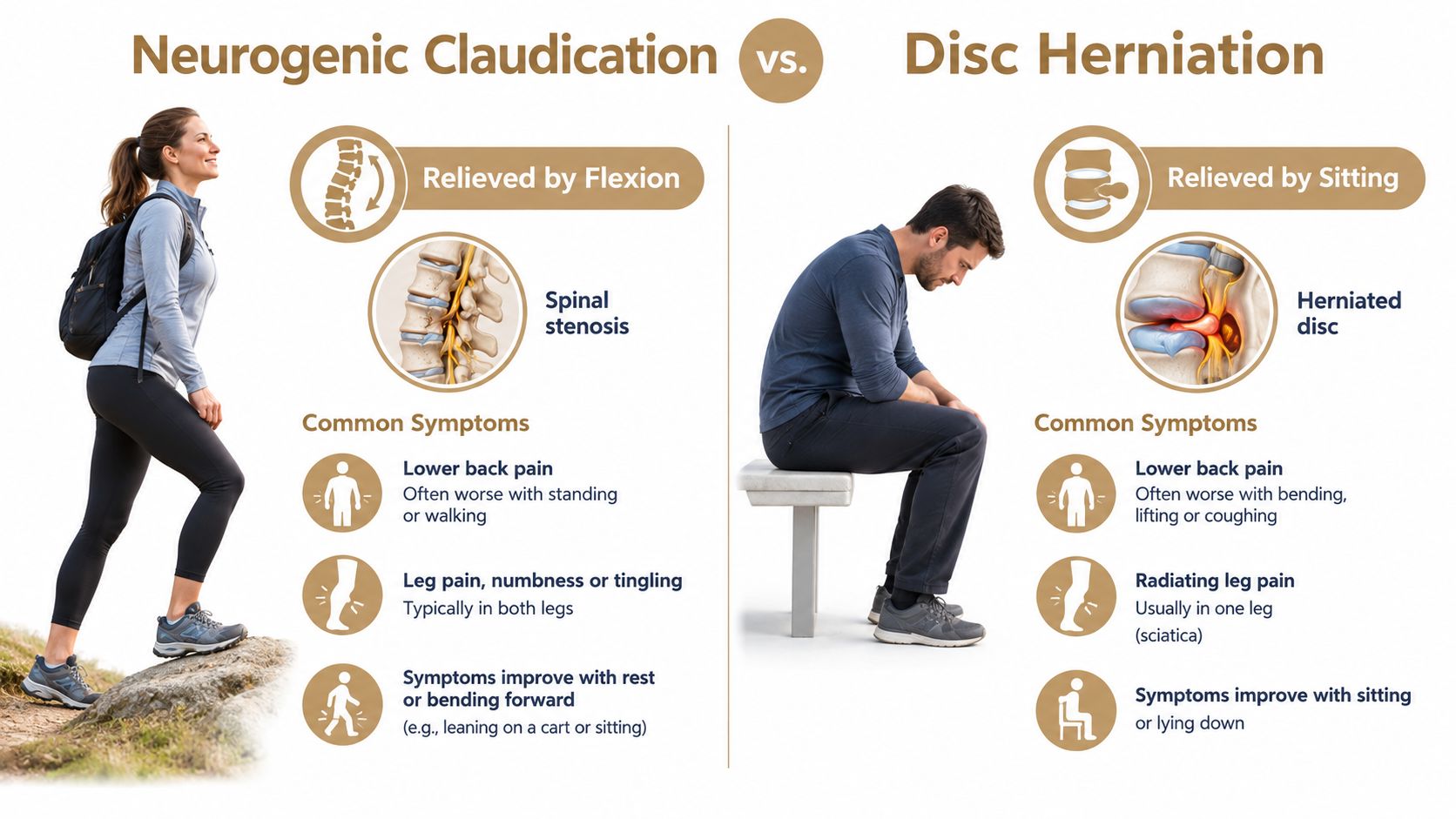
Neurogenic claudication typically develops with standing or walking. You may feel aching, heaviness, numbness, or pain through the buttocks and legs. Stopping, sitting, or bending forward often reduces the symptoms. Lumbar spinal stenosis commonly produces low back pain with radiating pain down one or both legs, and this walking-related pattern is a recognized clinical feature in this review of lumbar spinal stenosis.
The shopping-cart position is a familiar example. Leaning forward flexes the lumbar spine and may reduce the mechanical crowding that occurs during extension. Walking uphill can sometimes feel easier than walking downhill for the same reason, although every patient doesn't follow the textbook pattern.
A disc herniation more often produces sharp, electric, or burning pain that travels along one side and follows a recognizable nerve distribution. Coughing, sneezing, prolonged sitting, or a particular spinal movement may aggravate it. Numbness or weakness may accompany the pain, depending on which nerve root is irritated.
| Feature | Neurogenic claudication | Disc-related radiculopathy |
|---|---|---|
| Main trigger | Walking or standing | A spinal position, sitting, straining, or movement |
| Common relief | Sitting, stopping, or bending forward | Reducing the aggravating movement and unloading the irritated root |
| Distribution | One or both legs, often with heaviness or diffuse symptoms | Frequently one leg with sharper, more linear pain |
| Primary concern | Functional walking limitation | Nerve-root irritation from disc material |
These patterns can overlap. A person can have degenerative narrowing and a disc protrusion at the same time, so symptom behavior guides the examination but doesn't replace it. Tell your clinician how far you can walk, whether sitting helps, and whether weakness is progressing. Those details often matter more than just saying, “My back hurts.”
Not every episode of radiating pain requires an MRI immediately. Early conservative care can be reasonable when symptoms are stable, there are no urgent neurologic findings, and the examination doesn't suggest a serious underlying condition. The decision changes when pain persists, function continues to decline, or nerve findings progress.
Seek urgent medical evaluation for new or worsening symptoms involving both legs, significant or progressive weakness, numbness around the buttocks or saddle region, or changes in bladder or bowel control. An NIH-hosted clinical questionnaire identifies bilateral numbness, buttock symptoms, and urinary urgency as features that can signal more serious cauda equina involvement, as discussed in this clinical review of neurogenic claudication.
Don't wait for a routine chiropractic, therapy, or primary-care appointment if these symptoms appear suddenly or worsen quickly. Emergency assessment may be necessary because severe nerve compromise can require specialist intervention.
MRI is most valuable when the images will change the treatment decision. It can show the canal, nerve roots, discs, ligaments, and foraminal spaces in a way that plain radiographs can't. The scan may be appropriate when symptoms fail to improve with a reasonable initial plan, when weakness or reflex changes progress, or when a procedure or surgical consultation is being considered.
The examination still comes first. A clinician should assess strength, sensation, reflexes, gait, balance, posture, hip movement, and the way symptoms respond to lumbar loading. If imaging is indicated, MRI versus X-ray for back pain can help explain why the two studies answer different clinical questions.
Safety rule: An MRI finding isn't a treatment plan by itself. The image must match the symptoms, examination, and functional limitation.
Specialist referral makes sense when neurologic deficits progress, walking capacity deteriorates despite appropriate care, or the suspected compression exceeds the scope of non-surgical management. Conservative care and specialist care aren't competing philosophies. Good triage uses both, sending the patient to the right level of care at the right time.
A disc herniation and age-related stenosis place different demands on treatment. A disc-related presentation may respond to carefully dosed unloading and movement retraining. Established stenosis usually needs a broader plan that builds flexion-tolerant mobility, strength, walking capacity, and symptom control. No device can reverse every degenerative change, and no adjustment should be forced into a painful range.
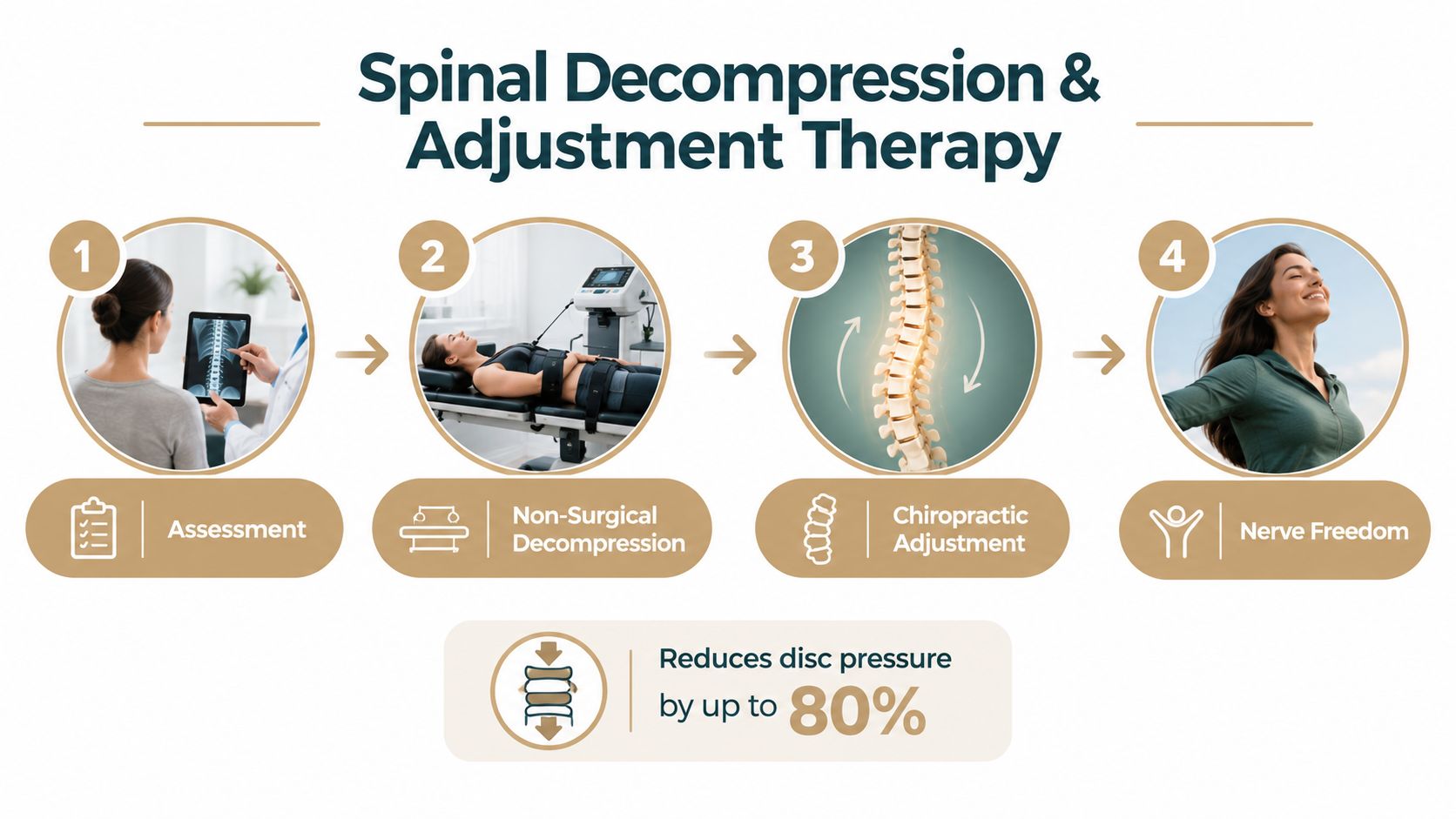
A responsible Spinal Decompression program starts with an examination, not a preset number of visits. The clinician reviews symptom distribution, aggravating positions, imaging when indicated, neurologic findings, and tolerance for traction. The DRX 9000 may then provide controlled, non-surgical decompression for selected disc-related conditions.
The aim is to reduce loading through targeted traction and create a more comfortable setting for movement. Decompression does not “put the spine back in place.” A more useful goal is improved tolerance for walking, sitting, sleeping, and rehabilitation while the care team tracks changes in leg symptoms.
A Chiropractic Adjustment can address restricted joint motion and reduce mechanical stress from guarded muscles or poorly coordinated movement. In practical terms, realignment improves how the pelvis, lumbar joints, hips, and surrounding tissues share motion. It does not manually eliminate age-related narrowing.
Treatment may include:
Narrowing can compress nerve roots and interfere with their blood supply, which helps explain why mechanical pressure may affect both pain and walking tolerance. That mechanism supports carefully selected mechanical care, while also setting realistic limits. As covered under red flags above, progressive weakness or bladder changes require urgent evaluation, not more traction.
A compressed nerve can become chemically irritated as well as mechanically crowded. Disc material near a nerve root may activate inflammatory signaling, while local edema increases pressure and amplifies pain sensitivity. This evidence review of radicular pain mechanisms describes radicular pain as a combined inflammatory, immune, and pressure-related process rather than compression alone.
MLS Laser Therapy is used as a non-invasive modality to support tissue recovery and reduce inflammatory irritation around painful regions. It doesn't remove a narrowed canal or guarantee nerve healing, so its role is usually supportive. The practical measure is whether it helps you tolerate walking, mobility work, and corrective exercise more comfortably.
SoftWave Therapy offers another form of tissue stimulation. Clinicians may use it around involved soft tissues to address sensitivity, muscle guarding, and local dysfunction. The treatment should complement, not replace, the examination and active plan.
Massage Therapy can be especially useful when the gluteal, hip, and paraspinal muscles tighten to protect an irritated lumbar region. Releasing those tissues may improve movement, but deep pressure directly over a highly irritable nerve can aggravate symptoms. The therapist should adjust pressure according to your response during and after treatment.
Acupuncture may help some patients regulate pain sensitivity and improve tolerance for movement. Muscle Stimulation can support activation when guarding or disuse has reduced normal muscle recruitment. Neither approach corrects structural narrowing by itself, but both may help create a window in which exercise becomes possible.
Nutrition and Nutrition Counseling also deserve a measured role. Food choices won't mechanically enlarge a spinal canal, yet adequate protein, hydration, and an overall anti-inflammatory eating pattern can support general recovery. If you're considering supplements, review science-backed anti-inflammatory supplements with a qualified clinician, especially if you take medication or have kidney, stomach, bleeding, or other health concerns.
For a closer explanation of light-based care, see laser therapy for inflammation. The most useful combination is the one that reduces irritability enough for you to perform the active work that restores function.
The most misleading promise in spine care is a permanent quick fix. Degenerative stenosis is a structural condition, and even when pain improves, the anatomy may remain. A durable plan therefore measures progress through function, not only through a daily pain score.
A 2025 systematic review and meta-analysis found low-certainty evidence that non-surgical treatment for lumbar spinal stenosis may improve pain and disability by up to about one-third during the first year, with little additional improvement beyond one year through five years, as reported in this systematic review of non-surgical stenosis outcomes. That finding doesn't mean conservative care is pointless. It means the plan should identify non-responders, set functional targets, and avoid promising unlimited improvement.
Use practical measures that reflect your life:
Personal Exercise Plans should begin below the threshold that triggers a prolonged flare. Mobility Therapy may focus on hips, thoracic movement, pelvic control, and positions that reduce lumbar irritation. Rehabilitation Exercise then builds strength and endurance gradually, with the goal of making your activities less dependent on passive treatment.
Adjustment, Decompression, Massage Therapy, laser care, and acupuncture can help manage symptoms, but they work best when paired with self-management. A home program may include walking intervals, supported flexion-based movements, hip strengthening, posture retraining, and pacing. The exact exercises should reflect your examination findings, not a generic online routine.
Some patients also benefit from a Golf Movement Screening before returning to a swing that repeatedly loads the lumbar spine. Others need Car Accident Treatment after a collision, with documentation and reassessment as symptoms evolve. In both situations, the objective remains the same, restore useful movement without ignoring structural or neurologic warning signs.
If you're in Salt Lake City or Sandy and leg pain keeps limiting your day, start with an examination rather than choosing a treatment from an advertisement. A thorough visit should review your history, walking and sitting tolerance, symptom distribution, prior injuries, medications, and goals. The physical and neurologic examination can then guide whether conservative care is appropriate and whether X-ray or MRI referral is needed.
A practical care process usually follows this sequence:
Aspen Falls Wellness provides coordinated care through chiropractors and allied practitioners, including massage therapists, acupuncturists, mobility specialists, and nutrition coaches. Available services include Spinal Decompression with the DRX 9000, personalized adjustments, Muscle Stimulation, Pain Relief strategies, Mobility Therapy, Rehabilitation Exercise, and Nutrition Counseling. Insurance participation varies by plan, so verify benefits and ask how visit frequency and treatment duration are determined.
Age matters, but it doesn't determine your outcome by itself. Degenerative spinal changes affect up to 95% of people by age 50, according to this clinical overview of spinal stenosis. Imaging findings should therefore be interpreted alongside your symptoms and function, not treated as a prediction of how disabled you'll become.
If your symptoms are urgent, especially progressive weakness or bladder and bowel changes, seek emergency evaluation before scheduling routine conservative care. Otherwise, an organized plan can help determine whether the next step is decompression, adjustment, soft-tissue treatment, exercise, imaging, or referral.
Aspen Falls Wellness offers individualized chiropractic and integrative care for spinal stenosis and sciatica pain, including DRX 9000 spinal decompression, adjustments, MLS Laser Therapy, massage, acupuncture, and rehabilitation exercise. If leg pain is limiting your walking or daily activities, visit Aspen Falls Wellness to request an evaluation in Salt Lake City or Sandy.

Stay updated with the latest chiropractic news and exclusive offers.