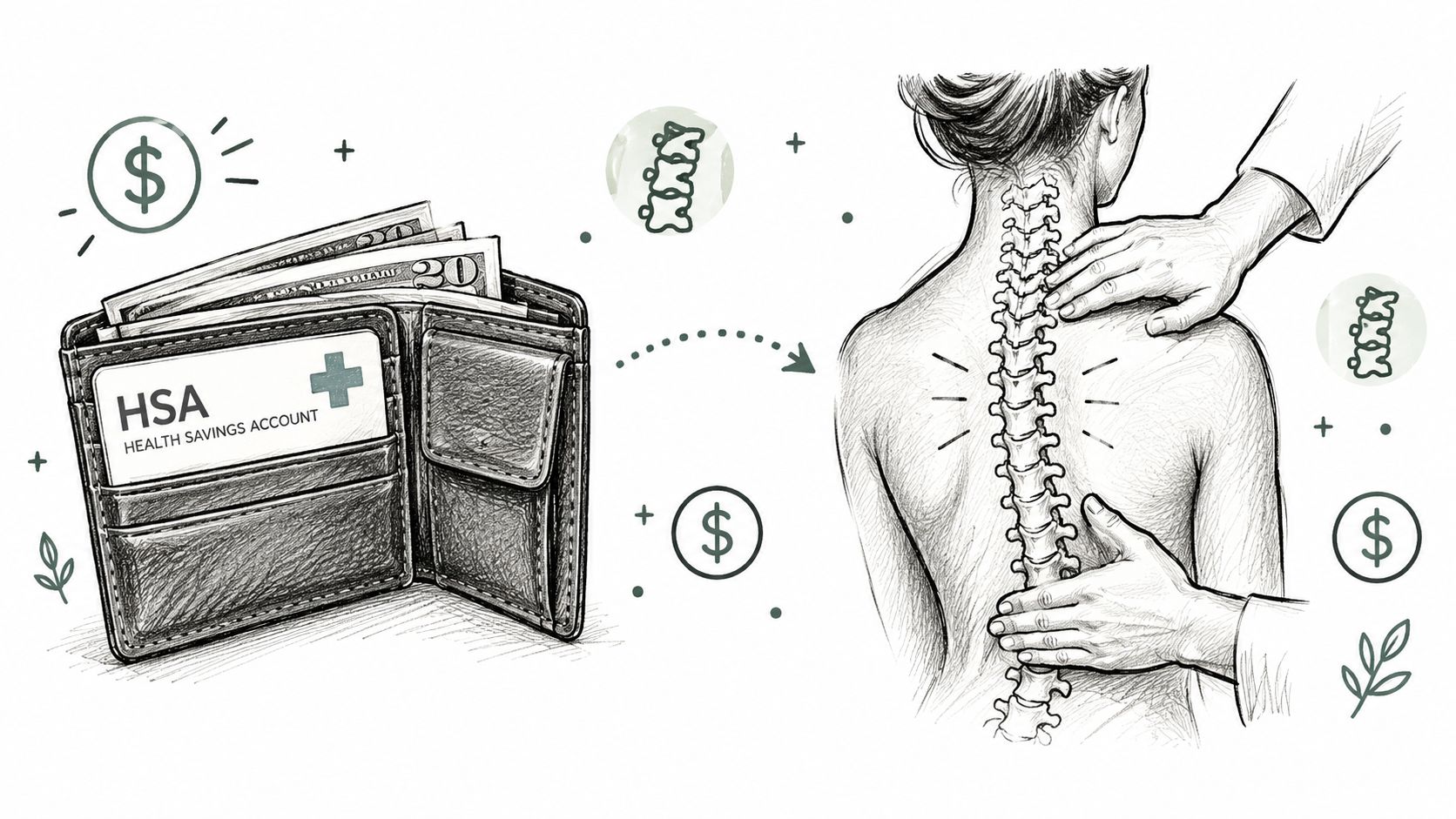
Explore spinal stenosis holistic treatment options, from decompression and manual therapy to nutrition and rehab, with evidence-based guidance.
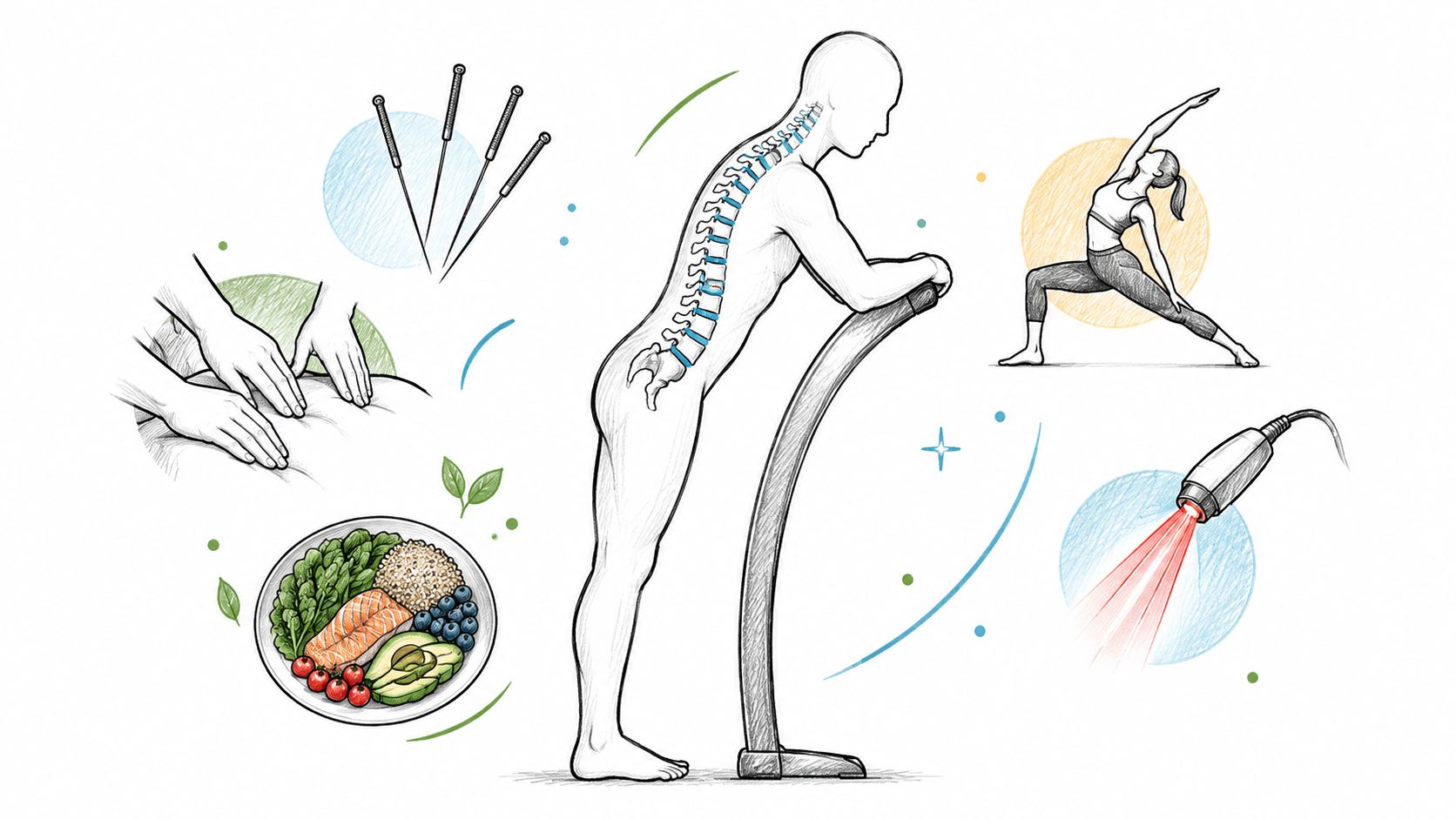
You're probably not thinking about the anatomy of the spinal canal when this starts. You're thinking about why standing at the counter feels worse than leaning on it, why a grocery cart suddenly makes walking easier, or why you now choose the aisle seat because you can brace your arms and tip forward when your legs start to feel heavy.
That pattern matters. When upright standing and walking get harder, but sitting down or bending forward gives relief, lumbar spinal stenosis moves high on the list. For many people, the fear arrives almost immediately after the name does. If the space around the nerves is narrowing, surgery must be next. That assumption pushes a lot of patients toward invasive decisions before they've had a serious trial of structured conservative care.
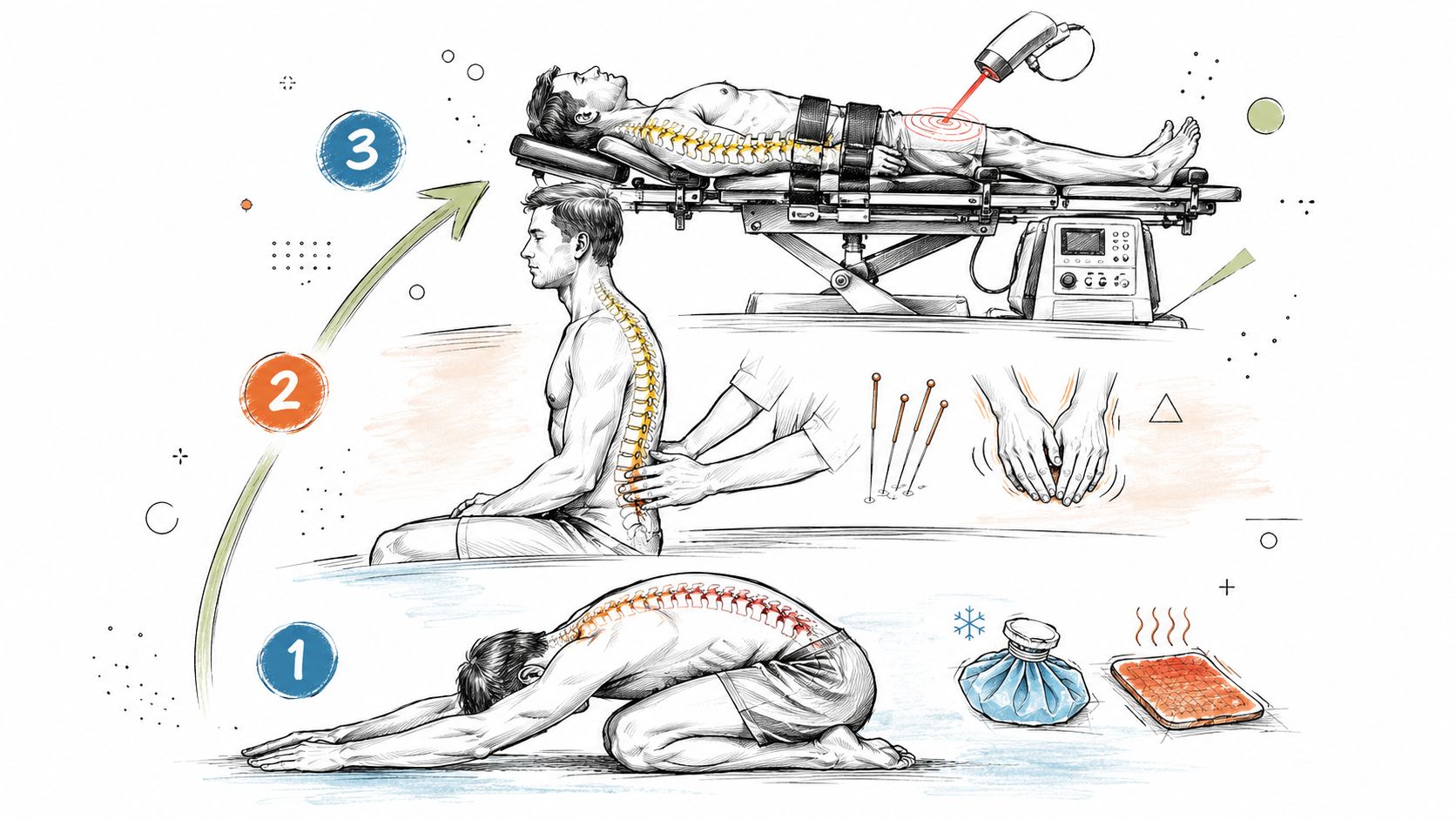
That's not how I think about stenosis. In practice, spinal stenosis treatment works best when it isn't a grab bag of therapies. It needs a sequence. Mechanical symptoms need a mechanical strategy first, then soft-tissue support, then rehabilitation that helps the gains hold up when real life returns.
What counts as progress also needs to change. In stenosis care, I care less about a dramatic pain score shift on day three and more about whether you can walk farther before your legs tighten, sleep in fewer awkward positions, get through church, errands, or a ball game without constantly hunting for a place to sit and fold forward.
A familiar stenosis story starts. Someone who used to walk the store without thinking begins stopping at the end of each aisle. They notice they can lean on the shopping cart and keep going, but if they stand in line upright, the ache spreads into the hips or thighs and the legs feel unreliable. At the movies, church, or a school event, the aisle seat becomes the safe seat because it's easier to shift, stand, or bend forward.
That pattern often goes on for months before anyone says the word stenosis. People blame age, tight hamstrings, old injuries, sciatica, or “just bad posture.” Meanwhile, their walking distance shrinks. They plan outings around benches. They avoid long parking lots. They stop doing the things that require sustained standing because they don't trust what their legs will do.
By the time patients come in, they usually aren't asking for philosophy. They want to know whether a serious non-surgical attempt is still reasonable, or whether they're just delaying the inevitable. That's the right question.
For many people without major neurologic loss, a conservative trial is absolutely reasonable. A structured rehabilitation protocol for lumbar spinal stenosis even lays out an acute phase of 0 to 6 weeks with typically 6 to 8 physical therapy visits, which shows how formalized non-surgical care has become rather than leaving it to guesswork in this rehabilitation protocol for conservative lumbar spinal stenosis management.
Practical rule: If symptoms are posture-sensitive, slowly progressive, and there's no major neurologic red flag, conservative care deserves an organized trial before anyone treats surgery as the default.
The goal isn't to “think broadly” in a vague way. The goal is to reduce nerve irritation, improve walking tolerance, calm the surrounding tissues, and rebuild enough strength and mobility that upright life becomes possible again.
In clinic, that usually means combining several layers rather than chasing a miracle treatment:
That's the difference between a menu and a pathway.
Spinal stenosis means narrowing in spaces where nerves travel. In the lumbar spine, that narrowing can happen in the central canal, the lateral recesses, or the neural foramina. Most cases develop gradually from degenerative change, including disc bulging, facet joint enlargement, thickening of supporting ligaments, and bony remodeling over time.
The lumbar and cervical regions don't behave the same way. Cervical stenosis can affect balance, hand coordination, and upper extremity symptoms. Lumbar stenosis usually shows up as back pain plus neurogenic claudication, which means leg heaviness, cramping, tingling, or fatigue that worsens with standing and walking and eases with sitting or bending forward.
That grocery cart effect has a mechanical explanation. Lumbar extension tends to narrow the canal and foraminal space further. Flexion tends to create a little more room and reduces provocation for many patients. That's why people instinctively lean over a cart, walker, countertop, or cane handle. Their body is finding the posture that buys them more walking.
This is also why good care for stenosis usually doesn't start with aggressive extension-based exercise. It starts with reducing the mechanical positions that trigger symptoms, then restoring tolerance gradually.
One of the most important facts in stenosis care is that scans and symptoms often don't match well. A major review found a pooled prevalence of about 11% in the general population and 25% to 39% in clinical settings, while radiological stenosis showed up in 38% of general-population groups and 11% of asymptomatic people. It also noted that 80% of older adults with stenosis on imaging may have no symptoms, and symptomatic prevalence rose from 1.9% in people aged 40 to 49 to 10.8% in those aged 70 to 79 in this prevalence review on lumbar spinal stenosis.
A severe-looking MRI doesn't automatically mean severe disability. A modest-looking MRI doesn't automatically mean the patient is fine.
That mismatch is exactly why a function-led plan matters. A scan can confirm anatomy. It can't tell you how far someone can walk, whether they can stand to cook dinner, or whether their leg symptoms settle after a flexion break.
A good stenosis plan isn't built on one modality. It's built on the right modality at the right time. Clinical guidance repeatedly leans toward multimodal conservative care that combines education, exercise, manual therapy, and activity modification, with function tracked by tools such as the Oswestry Disability Index, pain scales, and walking tolerance in this evidence synthesis on conservative lumbar spinal stenosis care.
The first job is usually mechanical symptom reduction. That's where spinal decompression, decompression-based positioning, and flexion-tolerant movement often fit. The point isn't to “fix everything” with one machine. It's to create enough breathing room that the patient can tolerate movement again.
Manual methods come next in many cases. That can include massage therapy, mobility therapy, adjustment, chiropractic adjustment, or other realignment-focused care when the surrounding joints and soft tissues have become stiff and protective. These methods don't remove bony narrowing, but they can improve how the whole area moves and reduce secondary muscle guarding.
Low-level laser and related light-based care can fit as symptom-modulating support. If you want a plain-language overview of where that can fit, this explanation of MLS laser therapy covers its role in inflammation reduction and recovery support. In some clinics, SoftWave Therapy is also used as a tissue-stimulation option when the goal is to support local healing response rather than relying only on passive pain control.
Acupuncture can be useful for pain modulation, sleep disruption, and stubborn paresthesia, but in stenosis it works best as part of a broader plan. The same goes for muscle stimulation. Helpful as an adjunct. Weak as a standalone answer.
Targeted rehab is where durable progress usually happens:
A lot of patients also need practical sleep and recovery guidance. For people who tighten up at night, a simple routine of bedtime stretches for better sleep can help support position tolerance between visits.
| Modality | Evidence Tier | Primary Role in Plan |
|---|---|---|
| Spinal decompression | Supportive within multimodal care | Reduce mechanical provocation and improve tolerance for movement |
| Manual therapy and massage therapy | Core multimodal component | Improve mobility, reduce guarding, prepare for exercise |
| Rehabilitation exercise and personal exercise plans | Core multimodal component | Build walking tolerance, strength, and functional resilience |
| Mobility therapy and posture retraining | Core supportive component | Improve movement options and reduce repeated symptom triggers |
| Acupuncture | Adjunct with lower-quality support than multimodal rehab | Help modulate pain, sleep disruption, and irritability |
| MLS Laser Therapy and SoftWave Therapy | Adjunct supportive care | Manage inflammation and support tissue recovery |
| Nutrition and nutrition counseling | Supportive lifestyle layer | Reduce systemic aggravators and support body composition goals |
The common mistake is treating these as equal menu items. They aren't. In most stenosis cases, the combination is the treatment.
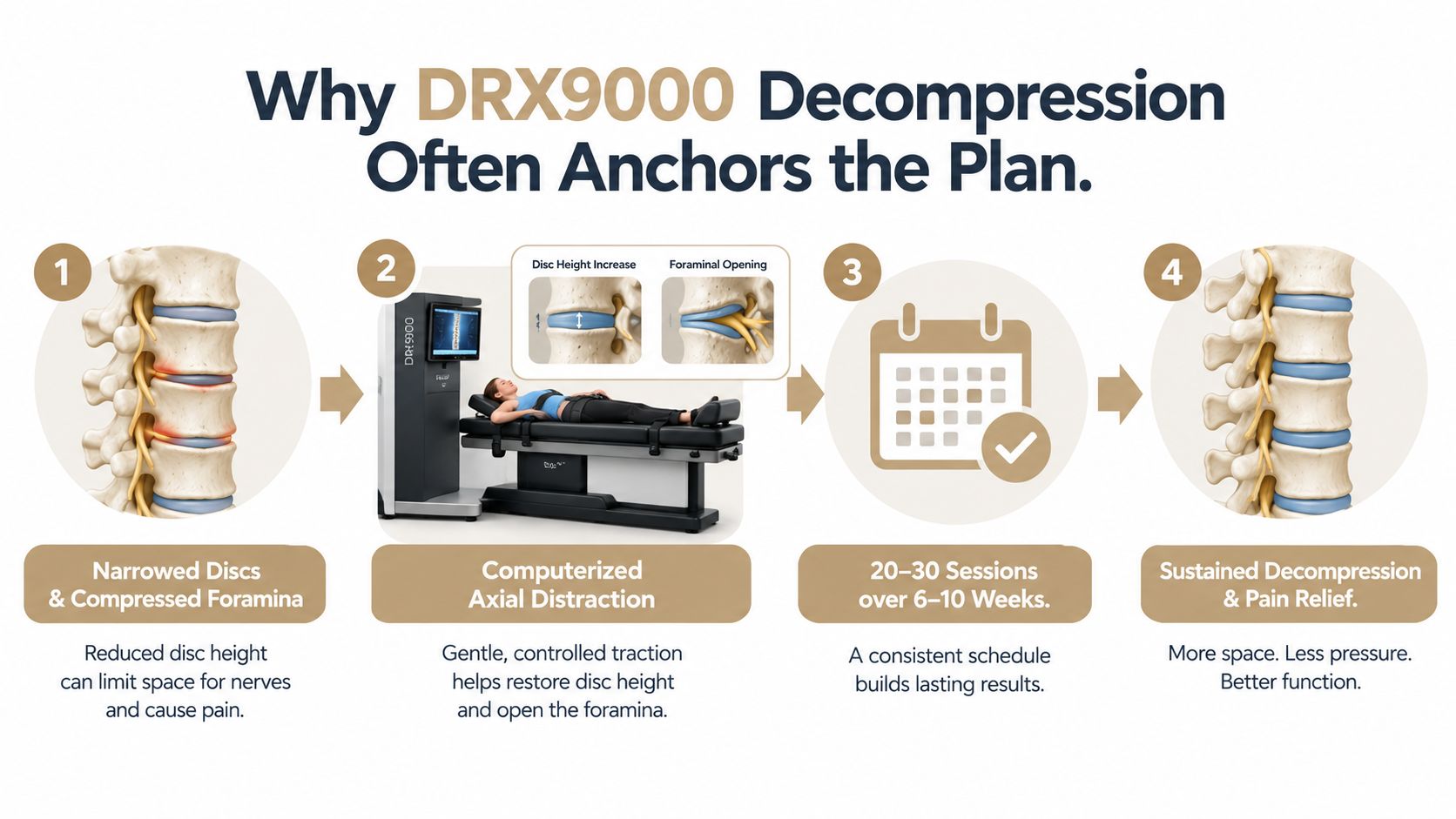
When lumbar stenosis is posture-sensitive and walking-limited, DRX9000 spinal decompression often makes sense as the mechanical center of care. It uses computerized axial distraction to apply a controlled pull through the lumbar spine. In practical terms, the goal is to reduce compressive load, improve space where irritated structures need it most, and make exercise more tolerable.
A typical protocol uses 20 to 30 sessions over 6 to 10 weeks. That schedule matters because stenosis symptoms rarely respond well to one-off treatment. They tend to improve when decompression is repeated, monitored, and paired with the right movement work over time.
Most patients are surprised that it's calmer than they expected. You're positioned and secured with a harness system, then the machine applies a gentle, progressive pull. It should feel like a stretch, not a fight. If treatment is painful, the setup, angle, or patient selection usually needs a second look.
This is one reason I like decompression in the right case. It gives a reproducible mechanical input that we can build around with other care rather than guessing from visit to visit. For a closer look at the equipment and how it's used, this DRX 9000 spinal decompression overview lays out the basics.
The better candidates are people with lumbar central or foraminal stenosis, neurogenic claudication, and symptoms that clearly behave mechanically. It can also fit people trying to delay more invasive procedures or those with lingering symptoms after prior surgery once they're outside the early recovery window.
It's not appropriate for everyone. Severe osteoporosis, fracture, cauda equina symptoms, and some unstable presentations should move you away from decompression and toward a different level of evaluation.
Don't judge decompression as a stand-alone fix. Judge whether it creates a better platform for manual therapy, mobility work, and home exercise to start working.
That's the key trade-off. Used alone, decompression can help and then fade. Paired with massage therapy, mobility therapy, MLS Laser Therapy or SoftWave Therapy where appropriate, and a flexion-friendly home program, it often has a much better chance of producing usable change.
The decision between conservative care first and early surgical referral shouldn't be ideological. It should be a triage decision based on symptoms, exam findings, and what the patient can still do.
The best candidates for a whole-body-first approach usually have classic neurogenic claudication, walking and standing limits, posture-sensitive symptoms, and enough physical capacity to participate in rehab. They don't need perfect imaging. They do need a pattern that matches what conservative treatment can influence.
Patients tend to do better when they can describe clear triggers and clear relieving positions. If standing still is worse than sitting, if leaning forward helps, and if their symptoms aren't being driven by rapidly progressive weakness, there's usually room for a non-surgical trial.
Yellow flags matter too. Diabetes, long-term opioid use, higher body weight, poor sleep, and major stress load can all slow progress. None of those automatically rule out treatment. They just mean the plan needs tighter expectations and better support around recovery habits, nutrition, and consistency.
| Patient Profile | Holistic-First | Surgical Consult |
|---|---|---|
| Posture-sensitive leg symptoms relieved by sitting or flexion | Strong fit | Not first choice unless deficits are advancing |
| Walking tolerance dropping but strength largely preserved | Strong fit | Consider if conservative care stalls or deficits appear |
| Stable numbness or intermittent sciatica treatment history | Often reasonable | Depends on progression and exam findings |
| Rapidly worsening foot drop or progressive motor weakness | Not appropriate as first-line | Prompt consult |
| Saddle anesthesia or bowel or bladder change | Not appropriate | Urgent referral |
| Suspected fracture, severe instability, or cauda equina pattern | Not appropriate | Immediate higher-level evaluation |
The other piece people need to hear is that imaging isn't recommended as part of the initial assessment in a routine way because findings often correlate poorly with symptoms. MRI, or CT if MRI can't be done, is mainly used when surgery is being considered, as summarized in this BMJ review on lumbar spinal stenosis assessment and imaging.
A realistic stenosis plan has to answer one question every week. Is this person functioning better, or are we just creating temporary relief between flares? That's why I prefer a care pathway that sequences treatment instead of stacking random modalities.
The first phase is assessment and irritability control. History matters. Walking tolerance matters. Sit-to-stand tolerance matters. If prior imaging exists, it's reviewed in context rather than treated as destiny.
Early care often includes manual treatment, mobility therapy, acupuncture, and the start of decompression if the case fits. In a coordinated clinic model, that might also involve chiropractic care, careful adjustment where tolerated, and baseline home movement work. For readers who want a broader picture of how that team-based model functions, this overview of multidisciplinary pain management shows how different providers can work from the same plan.
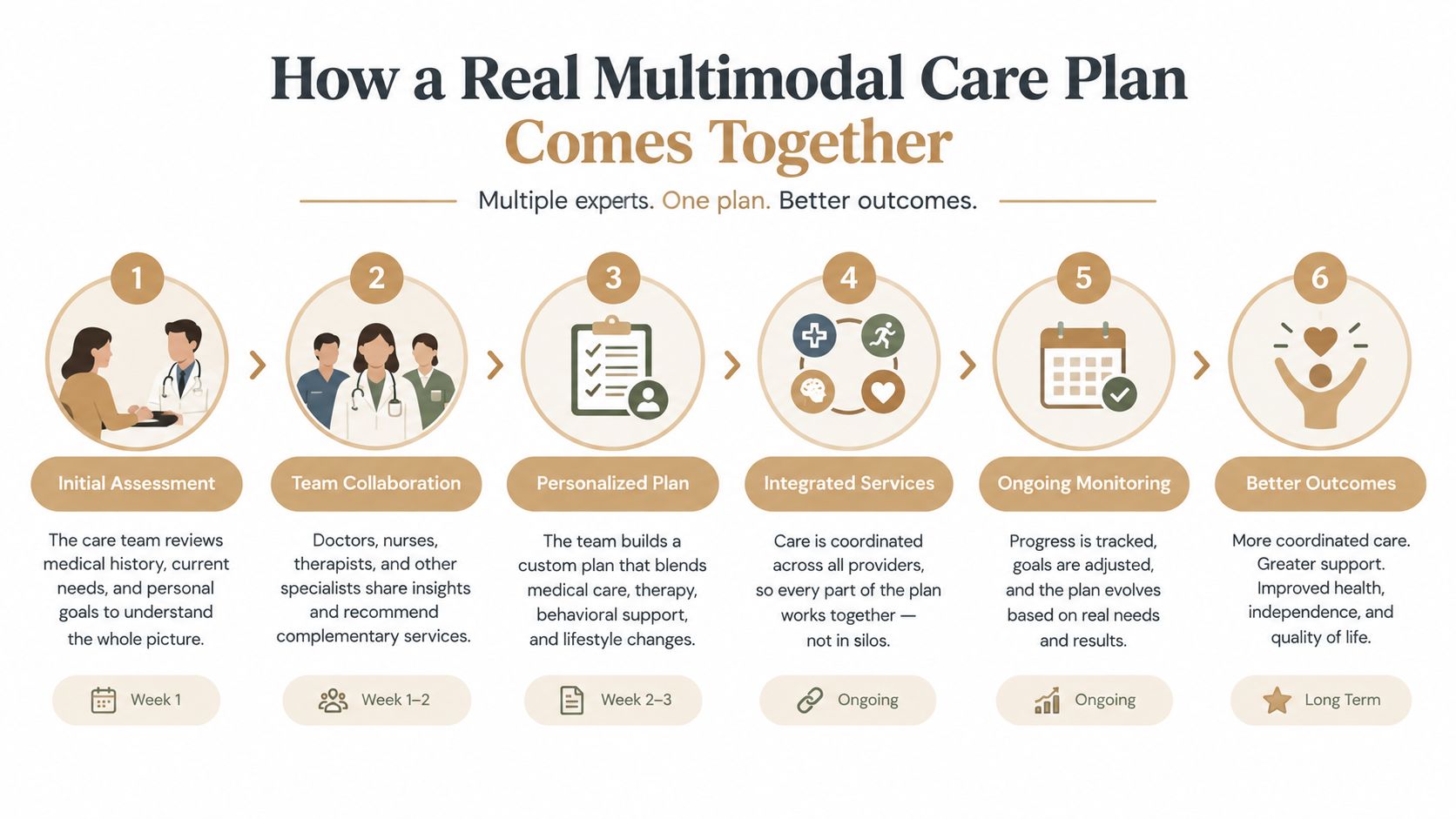
This is usually the core treatment block. Decompression sessions become more consistent. Manual therapy keeps the surrounding tissues from stiffening around the new mechanical demands. MLS Laser Therapy, SoftWave Therapy, massage therapy, or acupuncture may be layered in based on irritability, sleep issues, and soft-tissue response.
Rehabilitation exercise becomes more targeted here. That usually means flexion-compatible aerobic work, trunk control, hip mobility, and graded walking exposure. Patients also need practical coaching on workstation setup, stairs, shopping, car transfers, and any task that repeatedly pushes them into symptom-provoking extension.
A good plan doesn't just reduce pain in the clinic. It teaches the patient how to stop recreating the same mechanical stress all day.
Once symptoms settle enough, the focus has to shift from relief to capacity. That's where loaded stabilization, gait retraining, endurance work, and more confident standing tolerance come in. Nutrition and nutrition counseling can matter here too, especially when body weight, glycemic control, or general inflammatory load are clearly affecting recovery.
This is also where outcomes should be obvious in daily life. Are you walking farther. Standing longer. Sleeping with fewer interruptions. Relying less on constant flexion breaks. Those changes matter more than whether the pain number is perfect on a random Tuesday.
One clinic using that kind of integrated approach is Aspen Falls Wellness, where DRX 9000 decompression, chiropractic adjustment, acupuncture, massage therapy, mobility therapy, rehabilitation exercise, nutrition support, and other conservative options can be sequenced within one plan when the case fits.
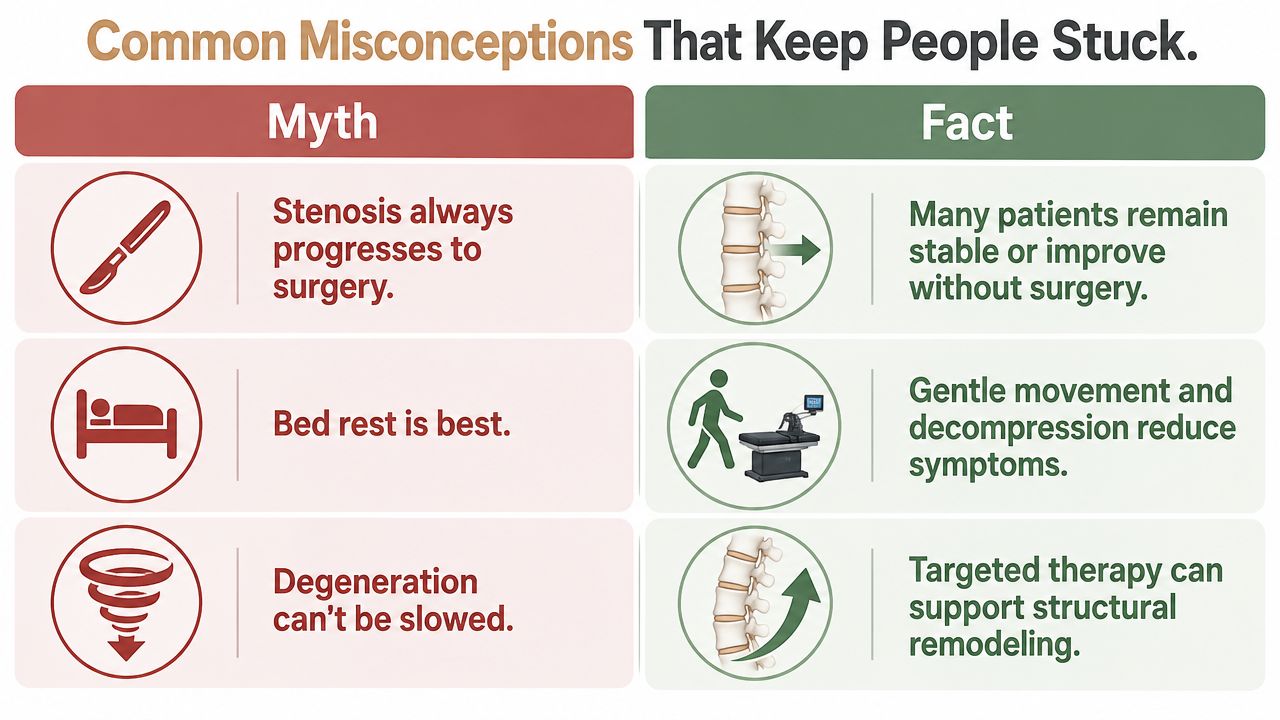
The biggest mistakes in stenosis care usually start with a false belief, not a bad exercise.
That isn't true for every patient. A 2021 clinical practice guideline recommends starting with multimodal nonpharmacological care, including education, advice, lifestyle change, home exercise, manual therapy, and rehabilitation for lumbar spinal stenosis with neurogenic claudication, while a trial of acupuncture is allowed but supported by very low-quality evidence compared with moderate-quality evidence for multimodal rehab in this clinical practice guideline00188-7/fulltext).
A separate systematic review found that decompressive surgery had a larger treatment effect than land-based exercise, but still recommended trying conservative management first because stenosis is often slowly progressive and surgery has known complications in this review comparing surgery and exercise.
That belief leads people to either panic or dismiss treatment too early. The better question is whether the findings line up with the pattern on exam and with what the patient can or cannot do.
Short-term rest during a flare can be useful. Prolonged unloading usually isn't. When people stop walking, stop changing positions, and stop using the trunk and hips well, they lose the exact support system that helps them tolerate a narrowed spine in daily life.
That's where disappointment lives. A single adjustment, a decompression session, one acupuncture visit, a supplement, or one magic stretch rarely solves a multifactorial condition. The cases that do best are the ones where symptom relief, movement restoration, and loading progression happen together.
Progress in stenosis often looks ordinary before it looks dramatic. You walk the store without leaning as hard. You stand through dinner prep. You sleep longer before the leg symptoms wake you.
Those are not minor wins. They're the point.
The first visit should feel more like a triage and planning session than a generic back-pain appointment. Bring any prior MRI or X-ray reports, a list of medications and supplements, and a simple note about what triggers symptoms most reliably. Walking uphill, standing in line, getting out of the car, and rolling in bed are all useful details.
If the answers are vague, the plan probably is too. You want a provider who can tell you what they're trying first, what they'll add if progress stalls, and when they'd send you for a surgical opinion instead of pretending every case belongs in conservative care forever.
For readers in Salt Lake City or Sandy, the best mindset is simple. Give non-surgical care a real trial, but make sure it's organized, measurable, and honest about the possibility that some cases still need escalation.
Aspen Falls Wellness offers coordinated, non-surgical care for lumbar spinal stenosis that can include DRX9000 spinal decompression, chiropractic care, acupuncture, massage therapy, mobility therapy, rehabilitation exercise, and nutrition support when those tools fit the case. If you want a structured evaluation focused on walking tolerance, function, and whether a non-surgical-first plan makes sense before surgery, visit Aspen Falls Wellness.

Stay updated with the latest chiropractic news and exclusive offers.