Discover what to expect at first chiropractic visit, from intake and neurologic exams to imaging, costs, and personalized care plans at Aspen Falls Wellness.
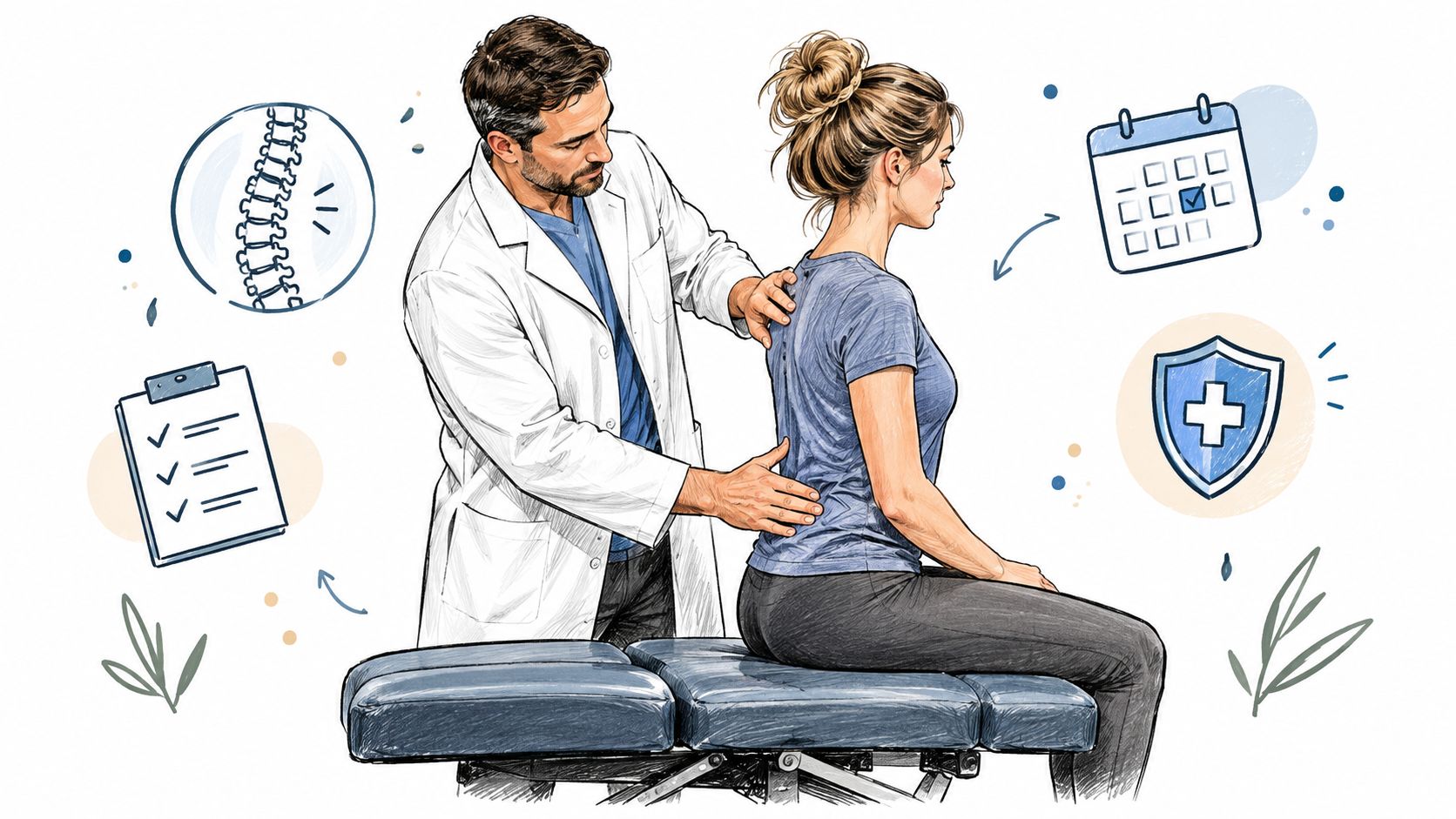
You've searched for a chiropractor because your back, neck, or leg pain is interfering with normal life, but you're unsure what will happen once you arrive. You may be expecting a quick conversation followed by a forceful adjustment, or you may be wondering whether you'll need an X-ray, how much the visit will cost, and whether you'll be pressured to begin a long treatment plan.
A well-run first chiropractic visit should answer those questions before hands-on care begins. You should leave knowing what the clinician found, whether chiropractic care is appropriate, which alternatives are available, what treatment may involve, and what you'll be expected to pay.
You arrive carefully, moving slowly because your lower back catches whenever you stand. The receptionist gives you paperwork, and your mind goes straight to the question you've been asking since booking the appointment: “Will someone adjust me today?”
Possibly, but an immediate adjustment shouldn't be the main measure of a good first visit. The more important work is clinical triage, which means identifying whether your symptoms fit a mechanical musculoskeletal problem, whether nerve involvement is present, and whether anything suggests that you need medical referral or imaging before treatment.
A thorough initial consultation generally begins with your history, followed by a physical and neurologic examination. For low back pain, that process includes questions about pain location, severity, timing, aggravating and relieving factors, radiation, functional limitations, and neurologic symptoms. The clinician then uses findings from strength, sensation, reflexes, movement, palpation, and other tests to decide whether conservative care is reasonable. Evidence-based low-back-pain guidance supports this history-and-examination approach rather than routine imaging or automatic treatment for every new patient.

By the end of the evaluation, the practitioner should be able to explain:
You shouldn't feel that the appointment was wasted if no adjustment occurs. In some cases, declining to treat immediately demonstrates appropriate caution. You can review the new-patient process before arriving so you know what information the clinic may request.
Practical rule: The first visit should make your next decision clearer, not make you feel obligated to accept treatment you don't understand.
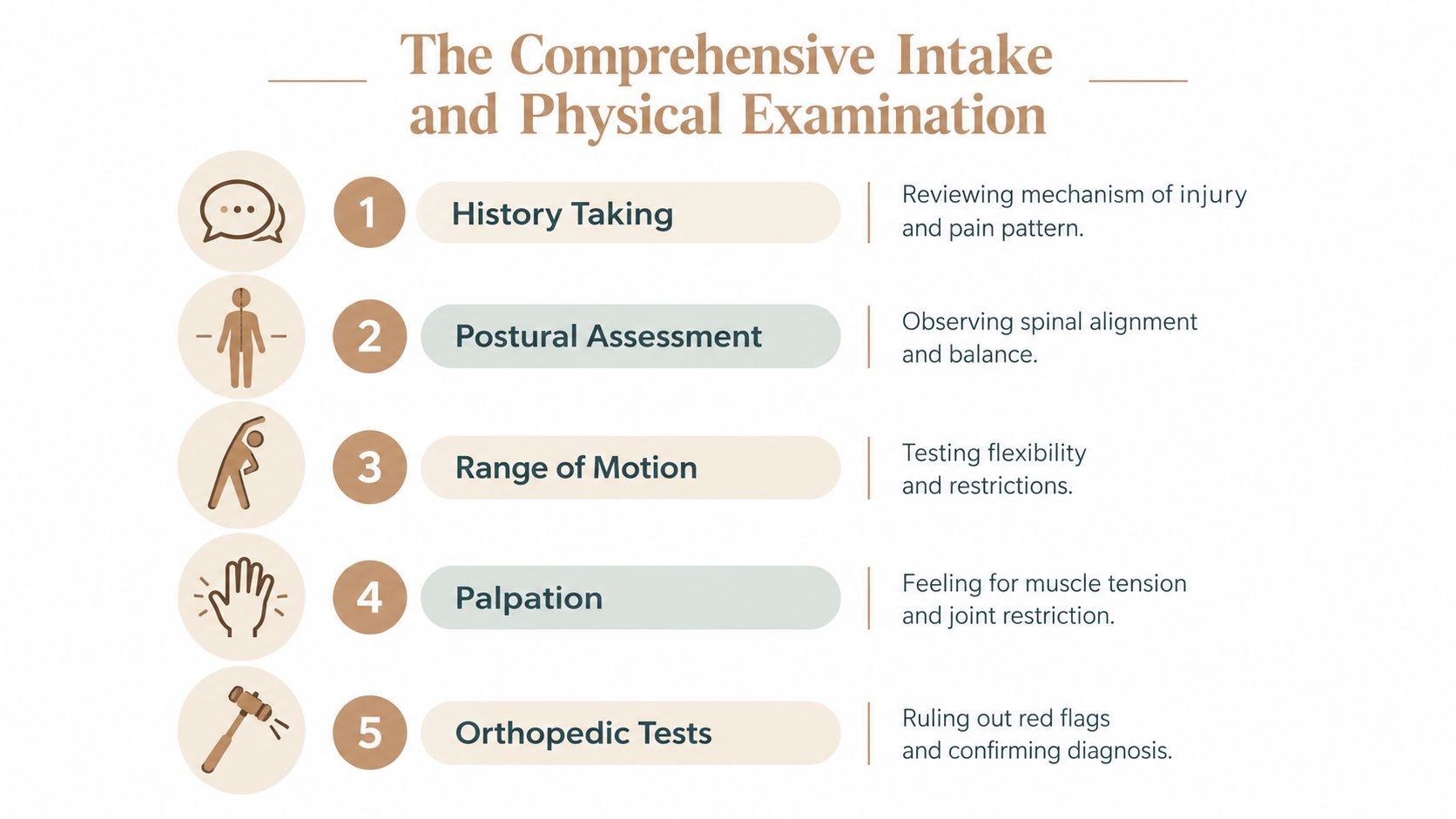
Before the clinician places a hand on your spine, your answers have already shaped the examination. Give specific examples rather than minimizing the problem with “it just hurts.” Clear details help the practitioner distinguish a short-lived irritation from a pattern that needs further assessment.
Expect questions about:
Medicare documentation guidance calls for similarly specific details, including the mechanism of trauma, onset, duration, frequency, radiation, and aggravating or relieving factors. The chiropractic documentation guidance shows why a proper intake involves more than a quick pain score.
The physical examination may include posture and gait observation, active range-of-motion testing, palpation, muscle testing, and orthopedic maneuvers. You may bend, rotate, walk, raise a leg, or hold a position while the practitioner compares movement quality with your symptom response.
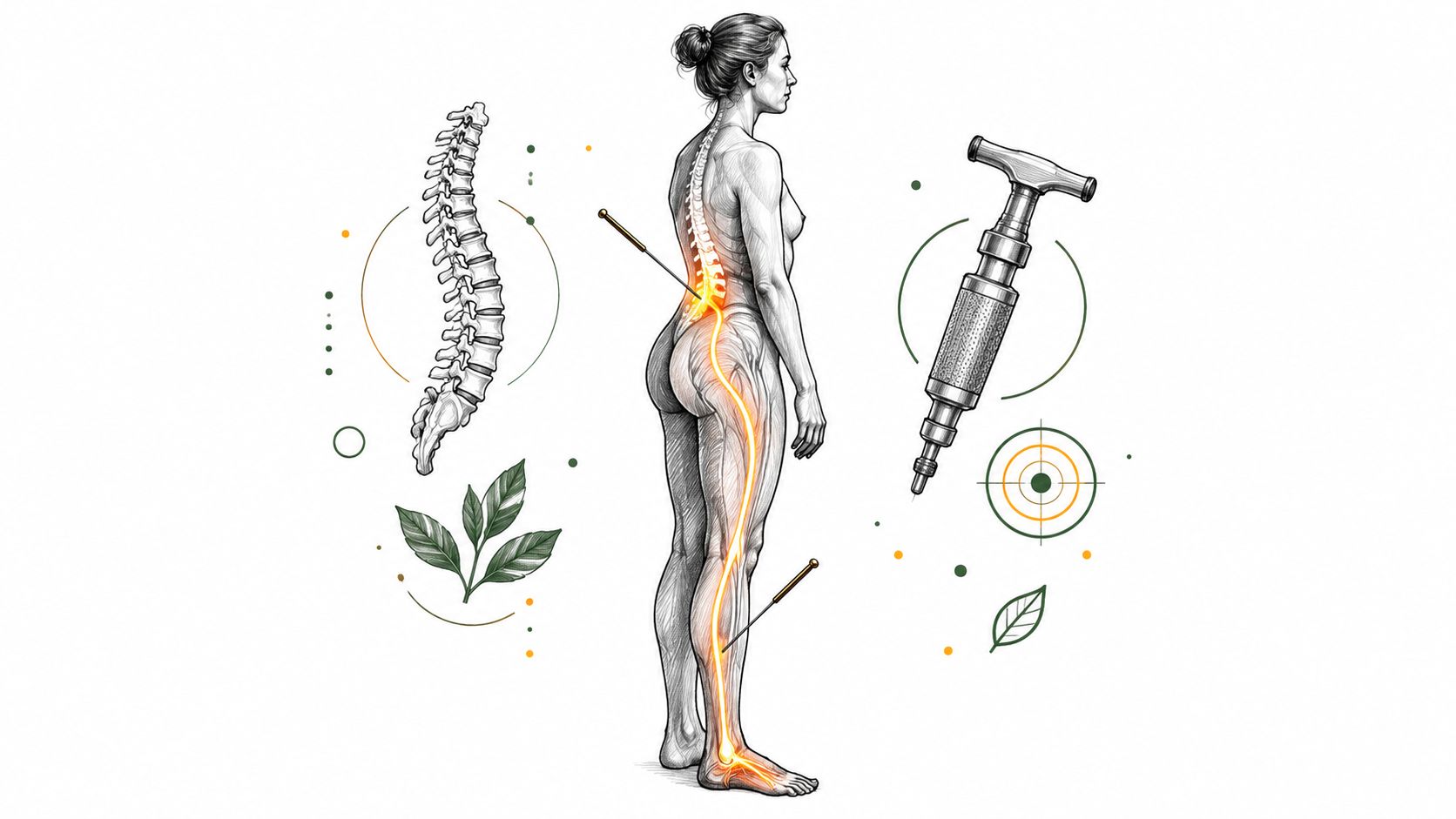
A focused neurologic screen checks strength, sensation, and reflexes. A straight-leg-raise test may be used when symptoms travel into the leg. These findings do not establish a diagnosis alone. They help the clinician judge whether the pattern appears mechanical, whether nerve irritation may be involved, and whether treatment should wait for further assessment.
Some practices use the P.A.R.T. framework to organize findings:
CMS states that subluxation may be documented through physical examination or X-ray, and its chiropractic claims guidance uses the P.A.R.T. framework. For Medicare chiropractic claims, two of the four criteria are required, with asymmetry or range-of-motion abnormality included among them. CMS guidance on chiropractic services explains that documentation standard.
A careful record also matters after a car accident or other injury. Notes should clarify what was observed, when symptoms began, and how function changed. Patients may benefit from understanding what medical experts do in injury lawsuits. Legal review does not replace clinical care, but accurate, contemporaneous documentation can make the medical timeline easier to understand.
Routine X-rays and MRIs aren't automatically part of every first chiropractic visit. For uncomplicated mechanical back pain without warning signs, imaging often doesn't change the initial conservative approach. The history and physical exam should determine whether a scan is likely to add useful information.
The clinician should ask about and screen for findings such as:
These findings don't automatically establish a serious diagnosis. They do raise the concern enough to justify a different decision, such as urgent medical evaluation, referral, or advanced imaging. Expert guidance identifies MRI as the preferred modality when serious spinal pathology is suspected, while plain radiographs are generally unnecessary for acute mechanical pain without trauma or fracture concern. Clinical guidance on imaging and low back pain describes this relationship between examination findings and escalation.
An X-ray shows certain bony features, while an MRI provides more detail about discs, nerves, and other soft tissues. Neither test is useful just because a patient is anxious or because the appointment is new. Imaging is most valuable when the result could change management.
For example, a person with a normal neurologic examination and no red flags may reasonably begin conservative care, monitor function, and return for reassessment. A person with progressive weakness, a history of significant trauma, or symptoms that suggest serious disease may need medical workup before a routine chiropractic plan proceeds.
Independent imaging guidance states that radiographs aren't initially indicated for nonspecific acute, subacute, or persistent back and neck pain when red flags are absent. It also identifies blunt trauma, increasing disability, or failure to improve after 4-6 weeks of conservative care as situations in which plain-film imaging may be considered, while emphasizing that imaging should provide clinically important information and have a reasonable chance of improving outcomes. The imaging discussion paper provides that decision framework.
If you're trying to understand the difference between common imaging options, review this practical explanation of MRI versus X-ray for back pain. The central question remains simple: Will this test change what happens next?
Once the examination identifies a suitable conservative pathway, the plan should match the problem rather than default to the same procedure for everyone. Someone with restricted movement and local joint pain may need a different combination of care than someone with radiating leg symptoms, post-accident stiffness, or a recurring sports strain.
A plan may include a Chiropractic Adjustment or another form of Adjustment when joint mobility and tolerance support it. The purpose should be clearly explained, whether the patient describes the goal as better movement, Realignment, Pain Relief, or improved function. Some patients may prefer a gentler approach or want to begin with mobility work before considering manual care.
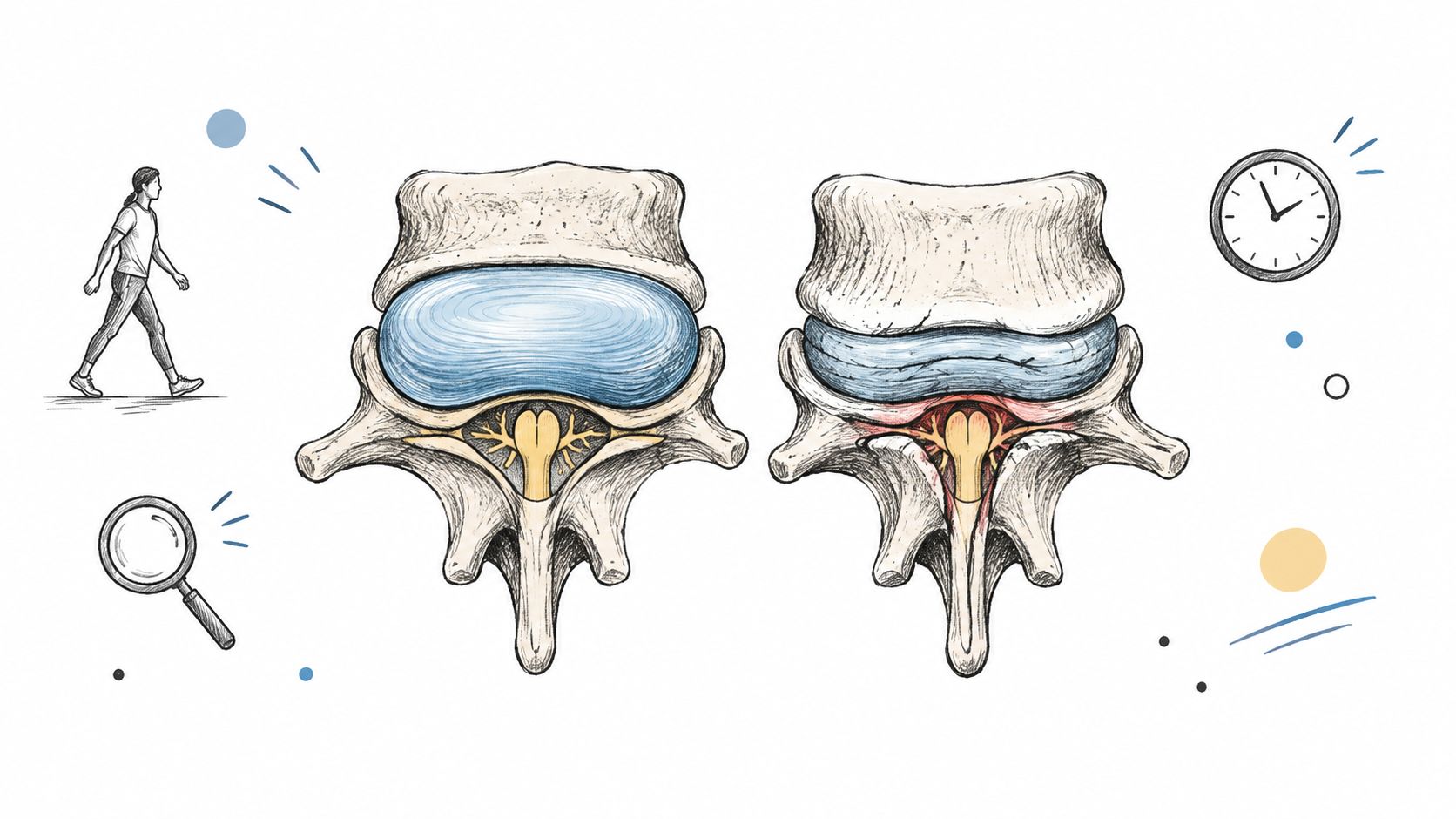
For disc-related symptoms and Sciatica Treatment, the clinician may discuss Spinal Decompression with the DRX 9000 or another decompression approach. The relevant questions are whether the findings fit the proposed treatment, what outcomes will be tracked, and when the plan will be reassessed. Decompression isn't a universal answer, and a responsible recommendation should be tied to the evaluation rather than presented as an automatic solution.
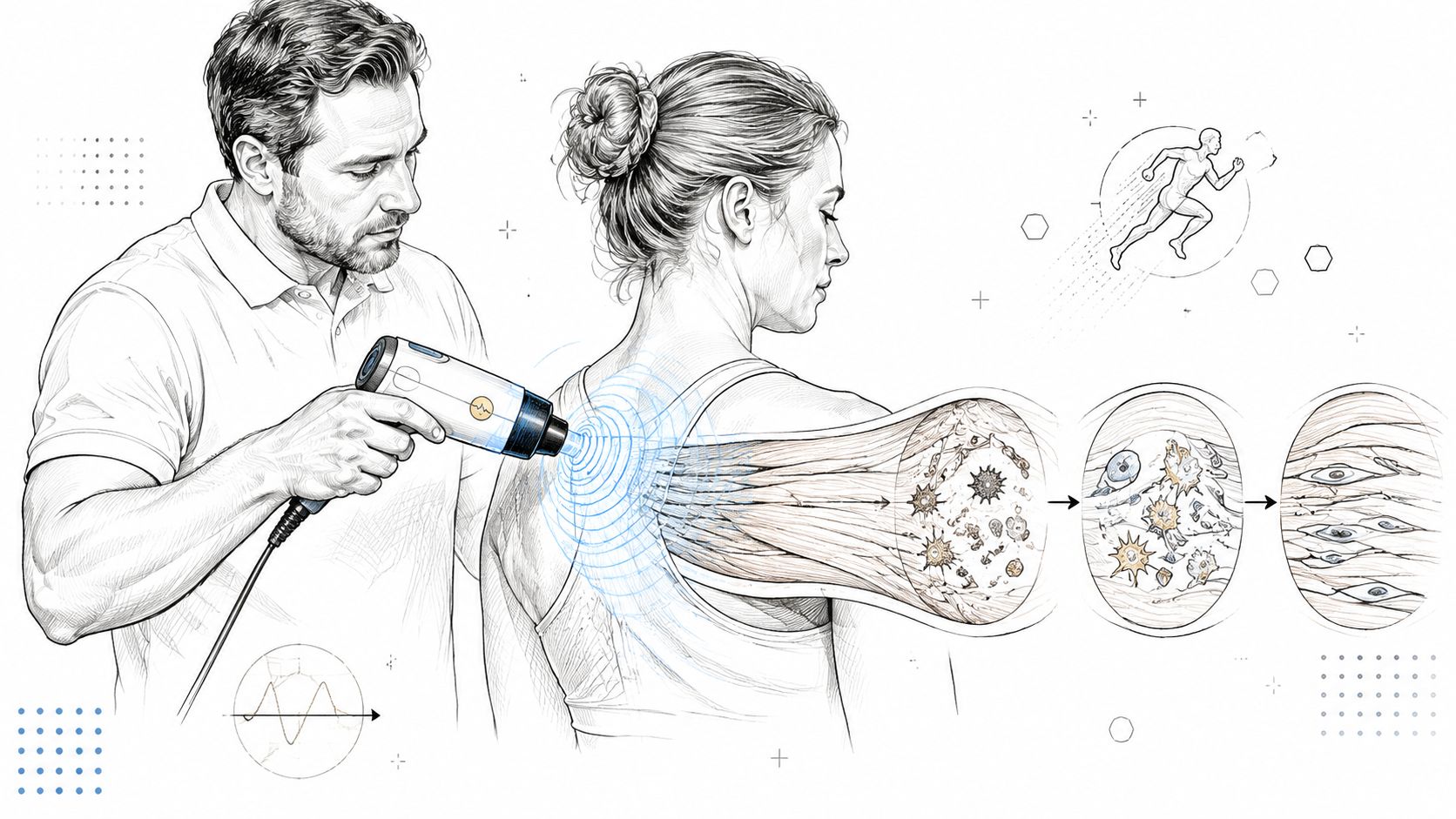
Soft-tissue and supportive services can fill different roles:
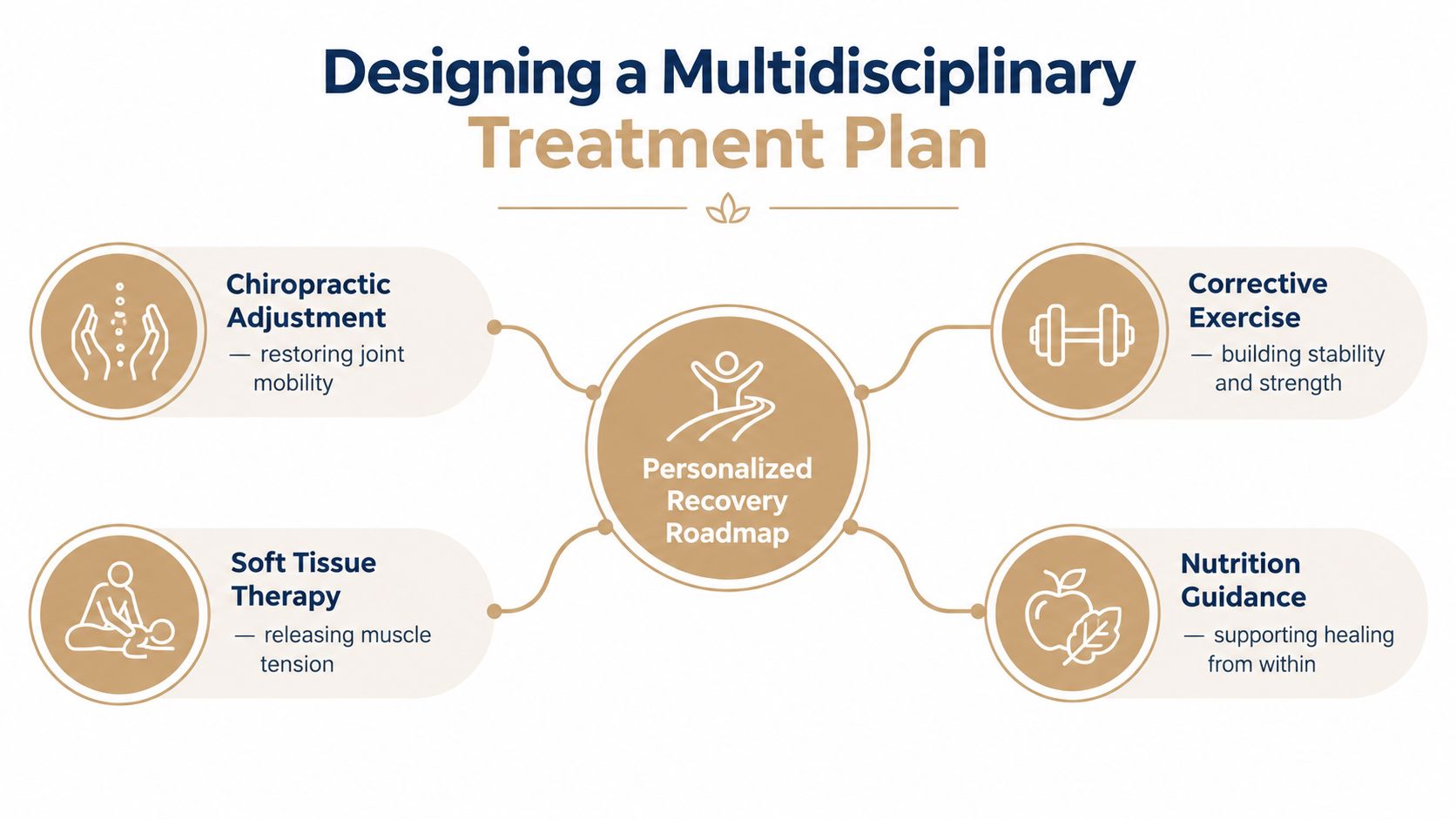
The right plan also reflects your work, activity, and goals. An active golfer may benefit from a Golf Movement Screening, while a person recovering from a collision may need Car Accident Treatment with careful documentation and staged rehabilitation. A patient with persistent symptoms may need coordinated care involving chiropractic treatment, massage, exercise, and referral rather than repeated adjustments alone.
A good plan names the intended outcome, explains the recommended services, identifies alternatives, and includes a method for checking whether the approach is helping. More services don't automatically mean better care. Relevance, tolerance, and measurable progress matter more than a crowded schedule.
The financial conversation belongs in the first visit, not after treatment has already started. Ask what the evaluation includes, which services are billed separately, what your plan may cover, what you'll owe, and whether a recommended modality requires self-payment or additional authorization.
Insurance benefits vary by policy and by the clinical service. A plan may treat an acute chiropractic adjustment differently from Spinal Decompression with the DRX 9000, massage, laser therapy, acupuncture, or Nutrition Counseling. Verification is useful, but it isn't the same as a guarantee of payment. Ask the clinic to explain deductibles, copayments, coinsurance, visit limits, exclusions, and whether referral or authorization rules apply.
| Condition Focus | Primary Modalities | Typical Insurance Stance |
|---|---|---|
| New mechanical back or neck pain | Examination, Chiropractic Adjustment when appropriate, mobility work, home exercise | Coverage may depend on the plan, diagnosis, and medical-necessity rules. Verify before care. |
| Disc-related symptoms or sciatica | Examination, targeted conservative care, possible Decompression or referral | Advanced services may be handled differently from a standard adjustment. Ask for a written estimate. |
| Soft-tissue strain or limited mobility | Massage Therapy, Mobility Therapy, exercise, and selected supportive modalities | Some services may have separate benefits or may be self-pay. Confirm each service individually. |
| Post-collision symptoms | Car Accident Treatment, documentation, conservative rehabilitation, referral when needed | Billing may involve health insurance, accident-related coverage, or other arrangements. Clarify responsibility before treatment. |
| Wellness and performance goals | Golf Movement Screening, exercise planning, Nutrition and Nutrition Counseling | These services may not receive the same coverage as treatment for a diagnosed condition. Request the cash price if applicable. |
You don't need to accept every recommendation at once. Compare the expected time commitment, the purpose of each modality, and the cost of starting with a narrower plan. A practical insurance navigation guide can help you prepare questions, but your own policy documents and clinic verification should control the final decision.
Ask how often follow-up visits may be suggested, when the clinician will reassess you, and what would lead to changing or stopping care. A responsible plan should have an exit strategy, not an open-ended promise.
You're allowed to ask questions before anyone adjusts you. You're also allowed to decline an adjustment, choose a different technique, postpone treatment, or seek another opinion. Consent isn't a formality that ends when you sign paperwork. It should be an ongoing conversation about what will happen and why.
Before care begins, the clinician should explain the examination findings in understandable language. You should hear about the expected benefits, relevant risks, reasonable alternatives, what may happen if the condition doesn't improve, and the financial agreement. Independent guidance from the UK regulator states that the first visit should include an explanation of findings, benefits and risks, alternative options, what happens if the condition does not improve, and agreement on payment before care begins. The regulator's first-visit guidance sets out that transparency standard.
Bring the conversation back to decisions you can evaluate:
The answers should be specific enough for you to make a voluntary choice. “This is what we always do” isn't an adequate explanation for an individual treatment decision.
Some people want to begin conservative care immediately after the examination. Others need time to review the findings, contact their insurer, speak with family, or compare chiropractic care with physical therapy, primary care, or self-management. Both responses are reasonable.
You can say, “I'd like to understand the plan before deciding,” or “I'm comfortable with exercise and mobility work, but I'm not ready for an adjustment.” A clinician can modify the approach, document your preference, and continue the conversation without turning hesitation into pressure. Trust grows when the patient can say no without being punished for it.
A little preparation makes the evaluation more useful. Wear clothing that lets you walk, bend, and move without restriction. You don't need special workout clothes, but tight or bulky garments can make posture and range-of-motion assessment less convenient.
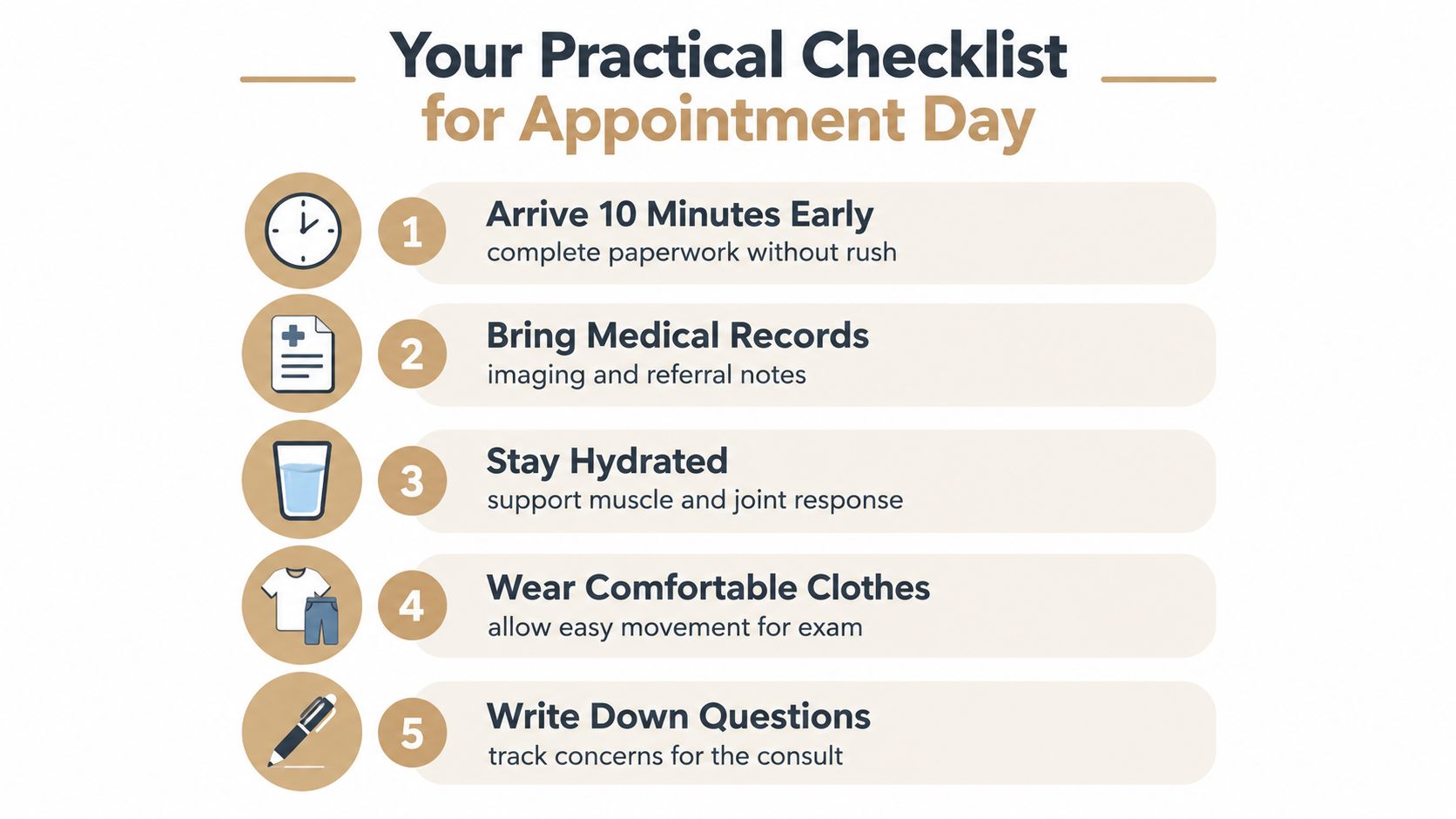
Before you leave home, gather:
You can also review guidance on what to wear to a chiropractic appointment before the day arrives. If you're attending after a collision, bring accident-related information and describe symptoms in your own words rather than guessing what the diagnosis should be.
The visit may end with an adjustment, but it may also end with education, a home exercise recommendation, imaging referral, or a request to return after further review. If you do receive an adjustment or decompression session, ask what sensations are expected afterward and which symptoms require a call to the clinic or medical evaluation.
Follow the take-home instructions exactly, including any Personal Exercise Plans, Mobility Therapy movements, activity modifications, or hydration advice your practitioner provides. Don't add strenuous exercises just because you feel better immediately, and don't hide worsening symptoms because you think soreness is always normal.
Before you leave: Know what was found, what you agreed to do, what it will cost, and when someone will evaluate your progress.
Aspen Falls Wellness offers chiropractic evaluations, personalized Chiropractic Adjustment and Spinal Decompression plans, DRX 9000 care, SoftWave and MLS Laser Therapy, massage, acupuncture, mobility work, rehabilitation exercise, nutrition support, and injury-focused services. Visit Aspen Falls Wellness to learn how a transparent first visit can help identify the right next step for your pain and movement goals.

Stay updated with the latest chiropractic news and exclusive offers.