Learn the critical low back pain red flags that signal serious conditions. Know when to seek immediate care and how Aspen Falls Wellness triages symptoms.
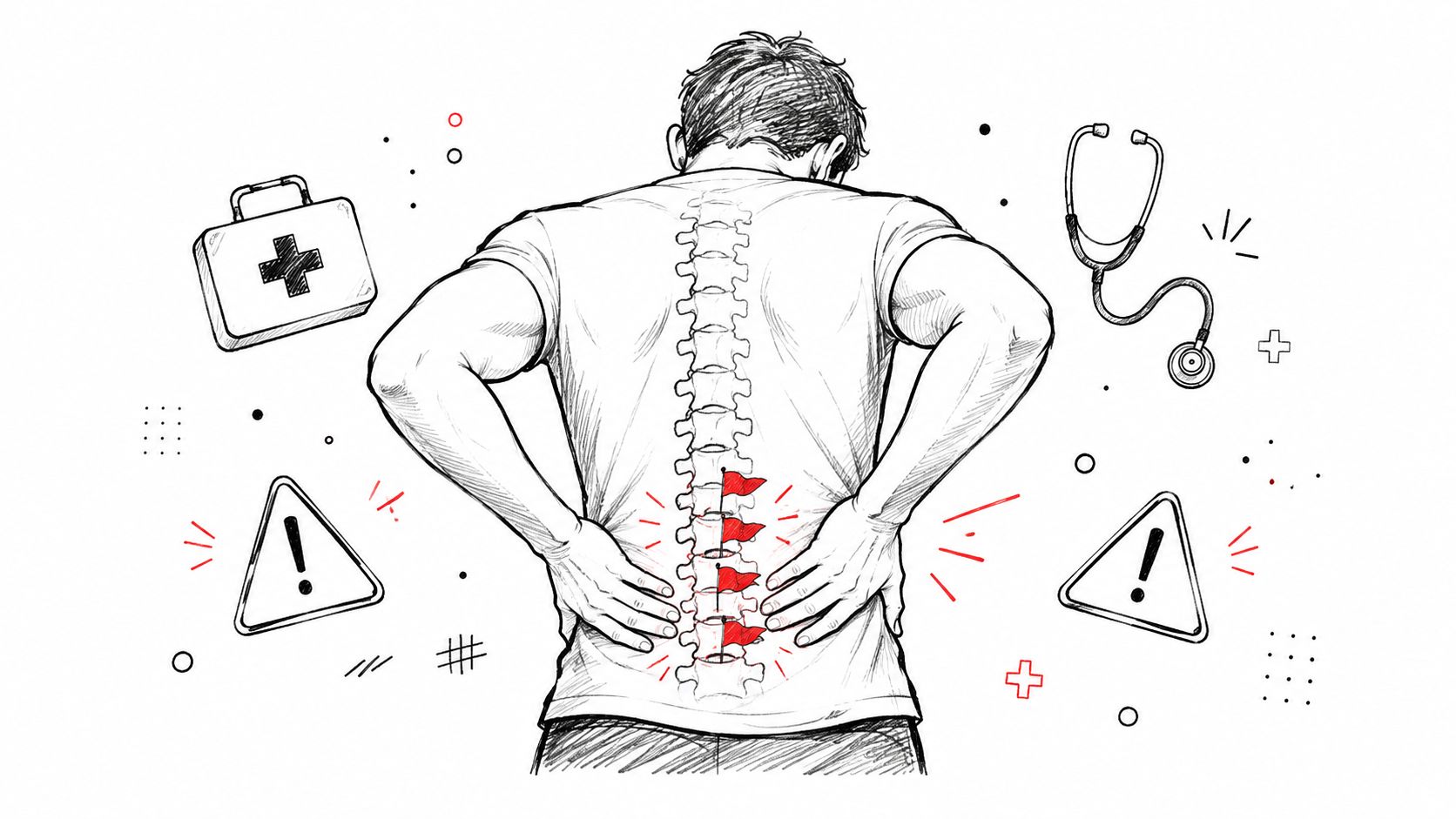
You wake up, turn in bed, and feel a sharp pull across your lower back. By afternoon, the pain travels into your leg, and you start wondering whether you should wait for a routine appointment or seek urgent care. That uncertainty is common. Most low back pain is mechanical and improves with appropriate conservative care, but a small group of symptoms can signal a problem that needs prompt medical evaluation.
Low back pain red flags aren't diagnoses. They're clues that help a clinician decide whether your symptoms fit an ordinary muscle, joint, or disc problem, or whether further examination, imaging, laboratory testing, or emergency referral is needed. The safest approach is calm and specific: know which changes matter, understand how quickly to act, and don't assume that every painful back is dangerous.
Consider someone who strains their back lifting a box. The pain is uncomfortable, but it changes with position, gradually settles, and doesn't affect bladder function, sensation, or strength. That pattern often fits mechanical back pain. Now consider a different person who develops worsening leg weakness, numbness in the groin, or difficulty starting urination. The pain might look similar at first, but the associated symptoms change the level of concern.
Lower back pain is common, and serious spinal disease is uncommon among people who present with it. A systematic review of emergency-department studies found that conditions requiring immediate or urgent treatment occurred in approximately 2.5% to 5.1% of patients in prospective studies and 0.7% to 7.4% in retrospective studies. These figures come from emergency settings, where referral patterns and illness severity differ from primary care, so they shouldn't be applied directly to every outpatient population. The systematic review summarized in PubMed explains why context matters.
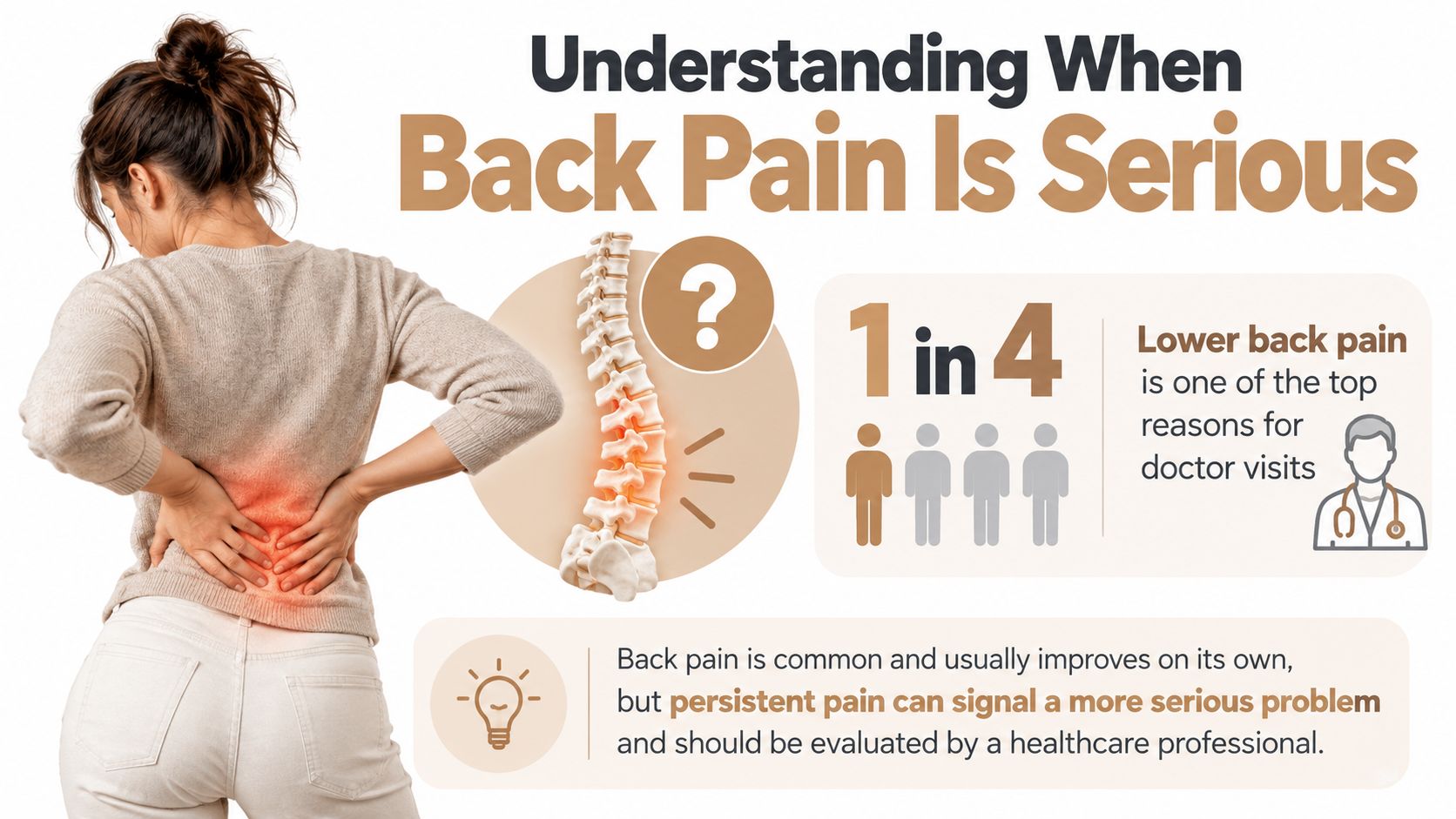
A red flag means a symptom or history deserves closer attention. It doesn't mean you have cancer, a fracture, an infection, or nerve compression. Many isolated warnings have limited diagnostic accuracy, so clinicians look at the combination of findings, their progression, and your overall health.
Useful questions include:
Practical rule: Severe pain alone doesn't determine urgency. Changes in bladder or bowel function, saddle sensation, or strength deserve much more attention.
A person with back pain may suddenly notice trouble emptying the bladder, numbness in the groin, or weakness in both legs. This pattern can signal compression of the cauda equina, the nerve bundle below the spinal cord. These nerves run through the lower spinal canal like bundled cables. Pressure on the nerves controlling the legs, bladder, bowel, and pelvic sensation can make the situation urgent, even when the pain itself is not unbearable.
Emergency-department studies found spinal-cord or cauda-equina compression in approximately 0.1% to 1.9% of cases, depending on study design and population. The condition is uncommon, but delayed treatment can have serious consequences. The clinical review on suspected cauda equina syndrome emphasizes that red flags should prompt assessment, not be treated as a diagnosis by themselves.
Seek emergency assessment if you develop:
These symptoms may begin intermittently or remain incomplete. New difficulty starting urination or expanding numbness still deserves prompt attention, even without complete incontinence. The clinical review identifies urinary retention, saddle anesthesia, bilateral sciatica, bilateral weakness, and rapidly worsening neurological deficits as reasons for immediate evaluation. No single symptom reliably rules the condition out.
If these changes occur, do not wait for a chiropractic appointment, massage session, spinal decompression visit, or routine imaging slot. Tell the emergency team what changed, when it began, and whether it is worsening. For background on disc-related symptoms, see lumbar disc herniation signs and symptoms. Urgent neurological changes require in-person medical assessment.
Back pain can occasionally reflect a problem outside the muscles, joints, or discs. Infection and malignancy often require a different diagnostic pathway, so your medical history matters as much as the location of the pain.
Contact a medical professional promptly, and seek urgent care when symptoms are severe or rapidly worsening, if back pain occurs with:
An infection can involve the vertebrae or the epidural space around the nerves. It may progress even when the initial symptom feels like an ordinary strain. The American College of Radiology identifies urinary infection and immunosuppression as risk factors that increase concern, and MRI is generally favored when a serious spinal cause is suspected. The ACR guidance on back pain and suspected infection provides the clinical context.
A personal history of cancer is especially important. In the BMJ systematic review, a personal history of cancer produced a 33% post-test probability of spinal malignancy, with a 22% to 46% confidence interval. The BMJ review of low back pain red flags also notes that symptoms such as night pain or failure to improve alone change disease probability very little when other risk factors aren't present.
Unexplained weight loss may also deserve discussion with a clinician, but it shouldn't be interpreted in isolation. Write down the timing of your pain, fever, infections, cancer history, immune-related conditions, and any changes in energy or appetite. This information helps determine whether routine musculoskeletal care is reasonable or whether medical testing should come first.
A back injury can be more serious than it appears when the bone is vulnerable. A fall, collision, or direct impact deserves attention, but so does a less dramatic event in someone with osteoporosis or prolonged corticosteroid exposure. Clinicians therefore ask about the mechanism of injury, bone health, medications, and visible bruising before choosing treatment.
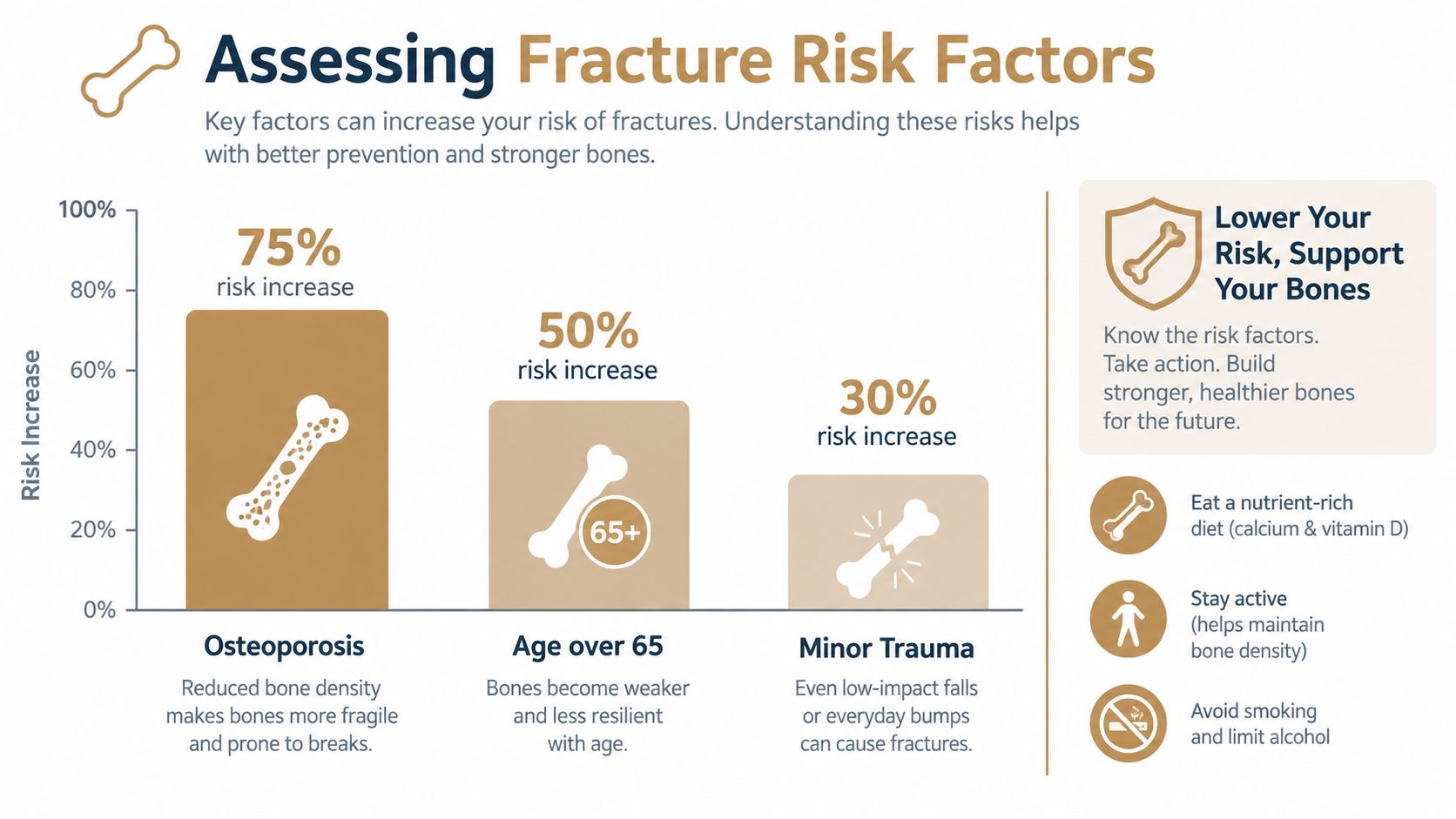
The BMJ review found that the strongest individual indicators for vertebral fracture included:
Those figures show why “it was only a small fall” isn't enough information by itself. A minor incident can carry different implications for someone with healthy bone and someone with osteoporosis or long-term steroid exposure.
When multiple fracture-related red flags occurred together, the estimated probability rose as high as 90%, with a 34% to 99% confidence interval, in the BMJ review. That doesn't mean every person with two risk factors has a fracture. It means the combined profile can justify prompt imaging and a more cautious examination.
Night pain alone or slow improvement alone is less informative than trauma plus focal tenderness, bruising, and bone-health risk. If your pain followed a car accident, a fall, or another significant impact, avoid assuming that adjustment, massage, or exercise is appropriate until a clinician has assessed the injury. For additional plain-language information about sacral fracture symptoms, Lake City Physical Therapy explains why the injury mechanism and accompanying symptoms deserve careful review.
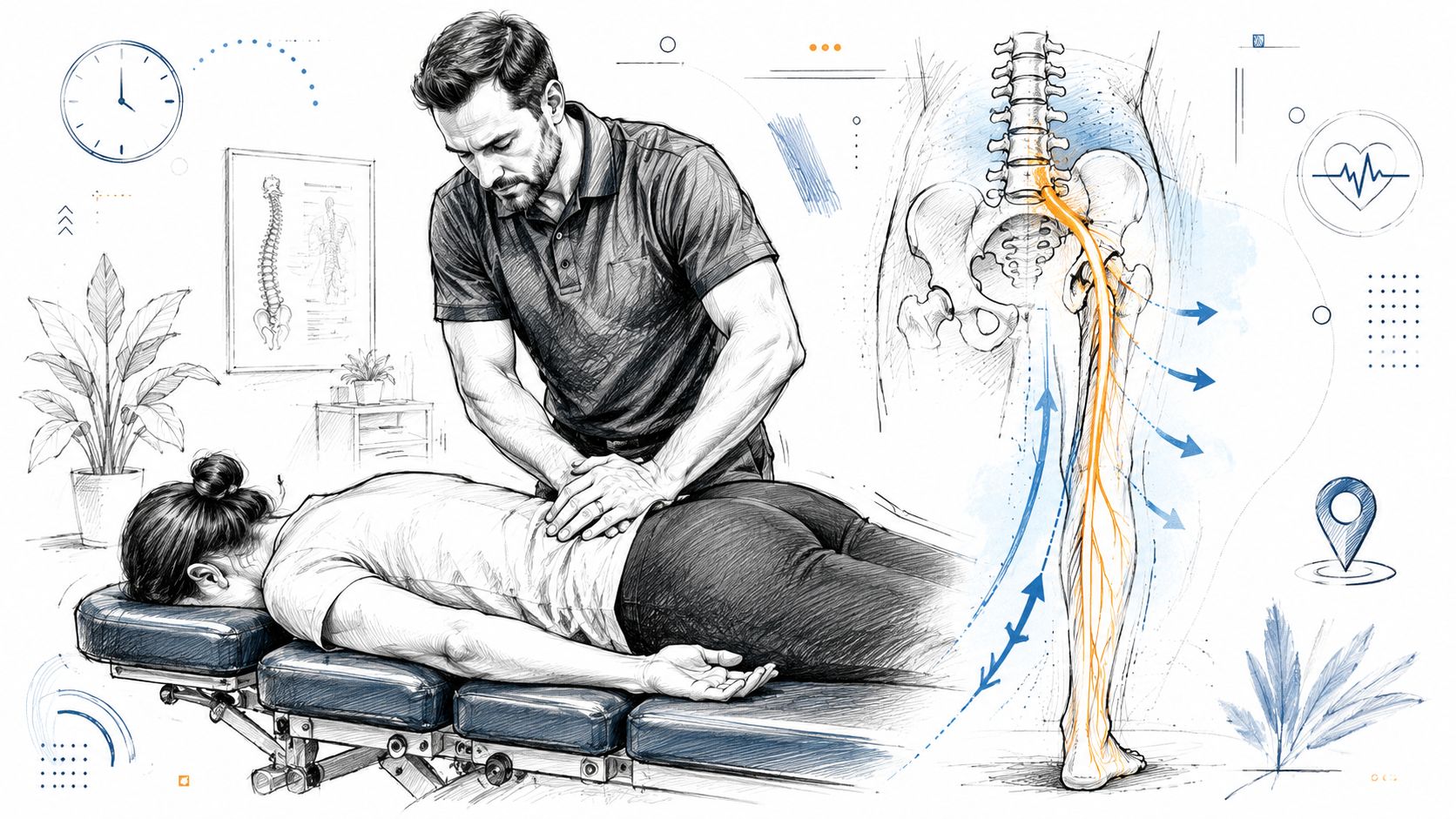
A safe conservative-care visit begins with deciding whether conservative care is appropriate. At Aspen Falls Wellness, the initial examination can include a detailed history, neurological and musculoskeletal assessment, and referral for X-ray or MRI when the findings warrant further investigation. Chiropractors, massage therapists, mobility specialists, and other practitioners each contribute within their scope, while urgent symptoms require medical referral rather than routine treatment.

The clinician first asks what started the pain and how it has changed. Important details include recent trauma, fever or infection, cancer history, corticosteroid use, osteoporosis, numbness, weakness, walking changes, and bladder or bowel symptoms. The examination then helps distinguish pain-limited movement from genuine loss of neurological function.
A person with stable one-sided sciatica and no red flags may be considered for an individualized plan that includes mobility therapy, rehabilitation exercise, massage therapy, acupuncture, or a personalized chiropractic adjustment. Someone with progressive weakness, saddle anesthesia, new urinary retention, or signs of infection needs urgent medical evaluation instead.
A treatment plan shouldn't be static. If symptoms fail to improve as expected, become more widespread, or develop a new neurological feature, the clinician should reassess rather than just increase treatment intensity. This is particularly important after a motor-vehicle collision, a recent spinal procedure, or when infection or bleeding risk could complicate the presentation.
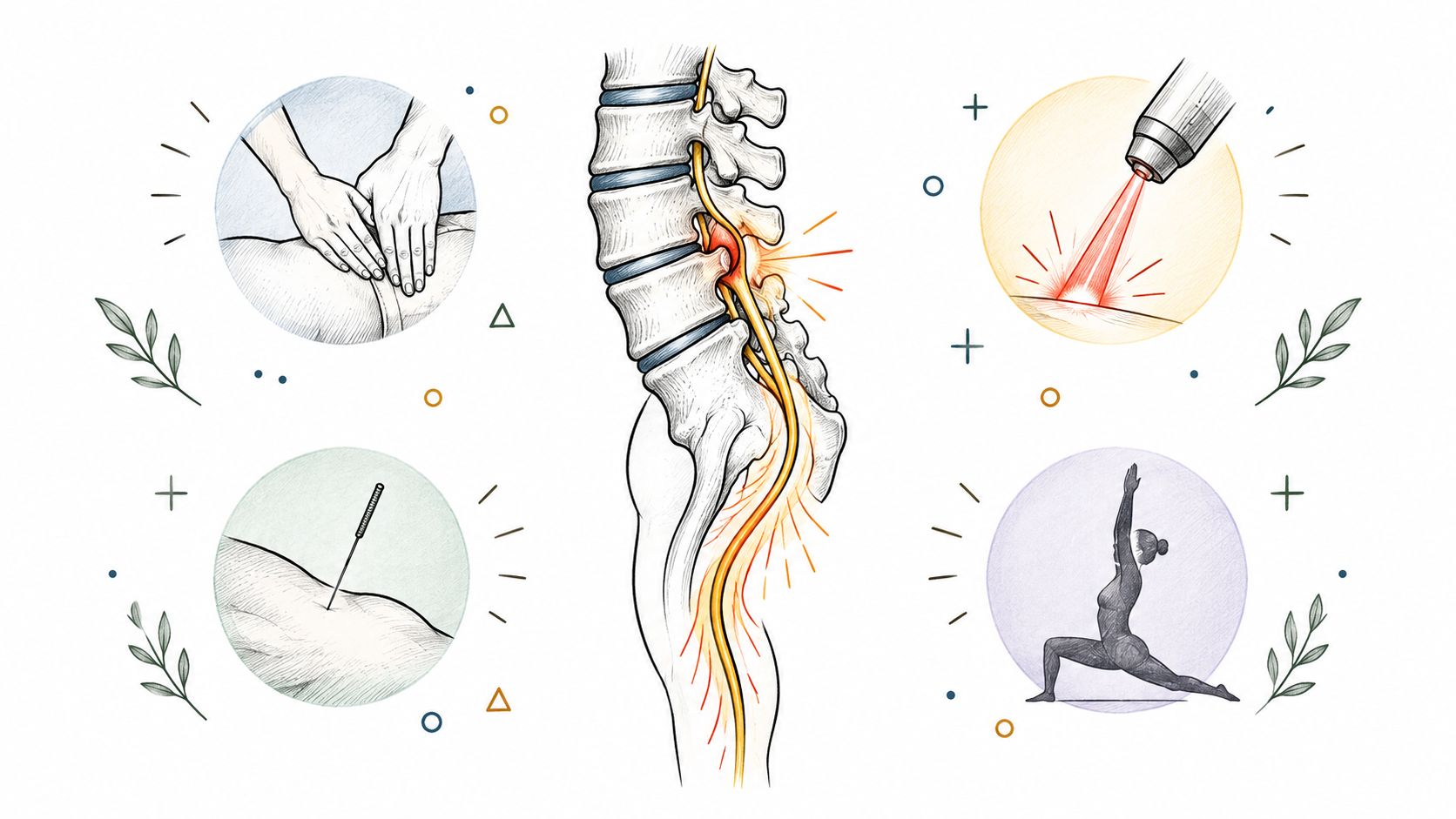
Only after serious pathology has been reasonably excluded might non-surgical options such as SoftWave Therapy, MLS Laser Therapy, massage, muscle stimulation, realignment, or Spinal Decompression with the DRX 9000 be considered. These services may support a broader plan for appropriate mechanical conditions, but they aren't substitutes for emergency evaluation when red flags appear.
A safe care pathway has two parts: identify who needs medical testing, then match everyone else with a measured, personalized rehabilitation plan.
Imagine arriving with back pain after lifting, but also reporting tingling down one leg. A thorough visit doesn't jump straight to a device or adjustment. The clinician reviews the history, checks gait, strength, sensation, reflexes, and movement tolerance, and determines whether imaging or specialist referral is appropriate.
When a serious cause is suspected, X-ray or MRI referral may be necessary. For uncomplicated low back pain without red flags, routine imaging is generally discouraged, while MRI becomes appropriate when serious pathology is suspected or symptoms persist despite conservative management. The practical difference between these studies is explained in MRI versus X-ray for back pain.

Once urgent concerns have been addressed, care can focus on restoring function. Depending on the examination, options may include:
People often focus on the treatment table and overlook sleep positioning. For general setup tips for better sleep, consider whether your mattress arrangement and supported positions allow you to rest without repeatedly provoking symptoms.
The central safety rule is simple: technology and hands-on care belong after appropriate screening. A DRX 9000 session, adjustment, sciatica treatment, or decompression plan should never delay emergency evaluation for progressive weakness, saddle anesthesia, or new bladder or bowel dysfunction.
You don't need to diagnose your spine at home. You do need to notice meaningful changes and communicate them clearly. New urinary retention, loss of bladder or bowel control, saddle anesthesia, progressive weakness, bilateral neurological symptoms, fever with infection risk, significant trauma, or a relevant cancer history deserve medical attention rather than reassurance based on pain intensity alone.
For symptoms without those warning patterns, persistent or recurrent pain still merits a structured examination. A clinician can establish a baseline, identify movement and strength limitations, and decide whether chiropractic care, massage therapy, acupuncture, nutrition counseling, mobility therapy, or rehabilitation exercise makes sense. The aim isn't to treat every ache aggressively. It's to avoid missing the small group who need urgent care while giving everyone else a sensible route back to activity.
People in Salt Lake City and Sandy can use an examination to clarify whether their symptoms fit a mechanical pattern, require diagnostic referral, or need a coordinated non-surgical plan. The guidance in lower back pain solutions can help you prepare questions, but rapidly changing neurological symptoms should be handled through emergency services.
If you're experiencing persistent or recurrent back pain without emergency warning signs, visit Aspen Falls Wellness for an individualized examination and care plan. The practice offers chiropractic adjustment, Spinal Decompression with the DRX 9000, massage, acupuncture, laser and SoftWave therapies, mobility support, and rehabilitation exercise, with referral when findings fall outside routine conservative care.

Stay updated with the latest chiropractic news and exclusive offers.